
Tools
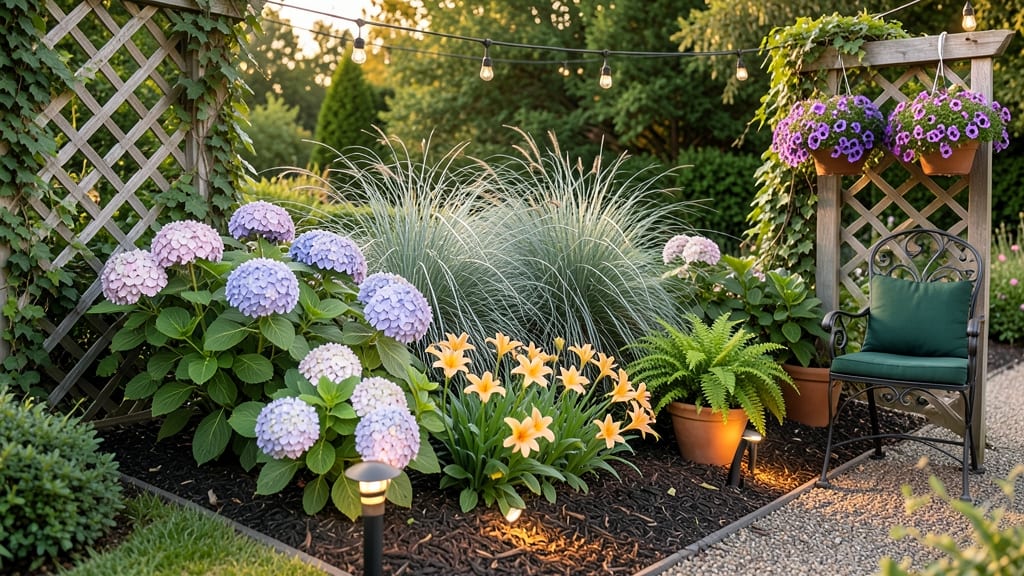
A screened-in garden creates a private, weather-protected space where you can grow plants 🌿 and enjoy outdoor living year-round—without the bugs or wind.
Picture this: a cozy nook where your herbs thrive in summer, your winter greens stay safe from frost, and your morning coffee feels like a retreat, not a chore.
The key? A layout that balances beauty, function, and airflow so your garden feels like an extension of your home—not a separate project.
Whether you’re dreaming of a lush herb garden, a vibrant flower bed, or just a quiet corner for reading, the right materials and design can turn any patio or backyard into this perfect escape. We’ll cover everything from choosing durable screens to planting for privacy and seasonal charm.
By the end, you’ll know exactly how to design a screened-in garden that’s not just pretty but also practical—so you can finally enjoy your outdoor space rain or shine.
How to design a functional screened-in garden layout for privacy and plant growth
A screened-in garden offers the perfect balance between privacy and plant health, creating a protected space where you can grow your favorite plants year-round. The key is designing a layout that maximizes airflow while providing visual barriers and sun exposure tailored to your plants' needs.
Whether you're working with a small patio or a large backyard, thoughtful planning ensures both beauty and functionality.
Start by assessing your space's sunlight patterns and wind exposure. Most plants thrive with 4-6 hours of sunlight, but some, like ferns or hostas, prefer shade.
Use this information to zone your garden into areas for sun-loving plants, shade-tolerant varieties, and even a low-light corner for herbs or greens. This approach prevents overcrowding and ensures every plant gets the right conditions.
Here’s how different screened-in garden layouts compare for privacy and plant growth:
For privacy without sacrificing airflow, an L-shaped or U-shaped layout is ideal. These designs allow you to place taller plants, like bamboo or arborvitae, along the open sides while keeping the enclosed areas for delicate or shade-loving plants.
If you’re growing vegetables or herbs, prioritize the U-shaped layout to ensure even sunlight exposure and better air circulation.
Next, consider adding vertical elements like trellises or climbing vines to maximize space and create natural privacy. Plants like clematis or morning glories grow quickly and add a lush, green barrier while also providing shade for lower-growing plants.
Position these along the screened walls to soften the look and improve airflow at the base.
Wind protection is another critical factor. If your garden is exposed to strong winds, install a secondary screen layer or use windbreaks like tall grasses or shrubs along the outer edges.
This reduces stress on plants and prevents soil erosion. For example, planting ornamental grasses like miscanthus along the perimeter adds texture and acts as a natural windbreak.
Seasonal transitions require flexibility. In summer, prioritize heat-tolerant plants like lavender or rosemary near the screens to create a cooler microclimate. In winter, swap out tender plants for evergreens or broadleaf plants that retain foliage, ensuring year-round privacy.
A layered planting approach—tall plants at the back, medium-height in the middle, and low-growing plants in front—keeps the garden visually appealing in every season.
Don’t forget to incorporate functional zoning for different activities. Dedicate one area for growing, another for seating or dining, and a third for storage or tools. This keeps the space organized and prevents overcrowding.
For example, place your potted herbs near the seating area for easy access while growing tomatoes or peppers along the sunny walls.
Finally, choose durable, weather-resistant materials for your screens. Aluminum or vinyl mesh is low-maintenance and allows airflow while keeping pests out. If you prefer a softer look, opt for fabric screens that can be easily cleaned and replaced.
Pair these with weather-resistant furniture and outdoor lighting to create a cohesive and inviting space.
With the right layout, your screened-in garden will not only provide privacy but also thrive as a lush, productive space for years to come. Start small, experiment with different plant combinations, and enjoy the process of creating your perfect garden retreat. 🌿
Best privacy-screening plants and materials for a low-maintenance screened garden
A screened-in garden needs both functional privacy and visual appeal. The right mix of fast-growing plants and durable materials creates a low-maintenance barrier that thrives year-round. Whether you prefer natural greenery or modern screens, each option offers unique benefits for your outdoor space.
Natural solutions like bamboo or evergreen shrubs provide organic beauty and wildlife support, while man-made options like perforated metal or fabric screens offer instant privacy with minimal upkeep. The key is balancing growth speed, maintenance needs, and aesthetic harmony with your garden's style.
Natural vs. Man-Made Privacy Screens
- Pros: Eco-friendly, wildlife habitat, organic look
- Cons: Slower growth, seasonal changes, pruning needed
- Pros: Instant privacy, low maintenance, durable
- Cons: Less eco-friendly, may block airflow
For fast-growing natural screens, consider bamboo varieties like Moso bamboo, which can grow 3 feet per year and reach 15-20 feet tall. It's ideal for tropical or modern gardens but requires regular pruning to control spread.
Another top pick is Arborvitae, an evergreen shrub that grows 1-2 feet per year and maintains dense foliage year-round.
Climbing vines like Clematis or Honeysuckle offer seasonal color and low-maintenance growth when trained on trellises or fences. These vines thrive in partial sun and provide fragrant blooms while requiring minimal pruning. For instant privacy, pair them with evergreen shrubs like Boxwood or Holly for year-round coverage.
Man-made screens like perforated metal panels or polycarbonate sheets provide immediate privacy with zero maintenance. These materials are durable, weather-resistant, and won't attract pests. For a softer look, fabric screens or lattice panels allow airflow while blocking views.
Combine them with climbing roses or ivy-covered trellises for a romantic, cottage-style garden.
My favorite low-maintenance combo is a mixed hedge of Arborvitae and Dwarf Fothergilla, paired with a perforated metal screen along the back. This setup offers year-round greenery, spring blooms, and minimal pruning needs.
For smaller spaces, Bamboo fencing or privacy lattice with Clematis creates a lush, vertical garden without overwhelming the area.
Choose based on your garden's style, maintenance tolerance, and privacy needs. A well-planned screen blends seamlessly into your landscape while keeping your garden private, beautiful, and low-stress. 🌿