
Tools
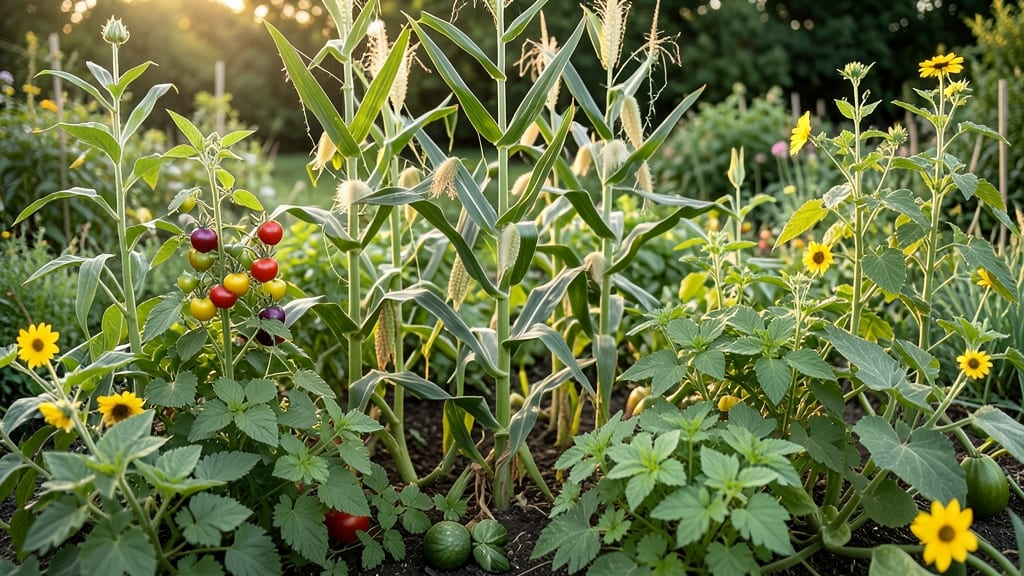
A New Hampshire farm and garden seasonal planting calendar aligns crops with the state’s hardiness zones (5-7) and planting windows—cool-season crops like kale and spinach thrive from March to May, while warm-season favorites such as zucchini and tomatoes should go in May to June—balancing frost dates, soil conditions, and regional microclimates for peak harvests.
A New Hampshire farm and garden thrives when you tailor planting to the state's short growing season and variable climate. 🌱 The key is understanding which crops handle NH's late spring frosts and which need warmth—like tomatoes that only tolerate soil above 55°F.
I've found that using row covers or cold frames can push early plantings by 2-3 weeks, while succession planting (like every 2 weeks for lettuce) maximizes yields when summer is fleeting.
The state's diverse zones mean a farm in Zone 5 might plant potatoes in April, while a Zone 7 area could start them in March.
Don't overlook soil prep—NH's clay-heavy or rocky terrain often needs compost or sand amendments to improve drainage. 💛 I recommend testing soil pH too; many NH gardens are naturally acidic, which affects nutrient uptake.
For example, blueberries love this environment, but tomatoes prefer slightly acidic to neutral soil. Planning for both frost-sensitive and hardy crops ensures a continuous harvest from early greens to late-season root vegetables.
💡 In This Article
- NH Hardiness Zones 5-7: When to Plant by Crop Type
- Preparing NH Soil and Extending the Growing Season
NH hardiness zones 5-7: when to plant by crop type
New Hampshire's hardiness zones range from Zone 5 in the northern mountains to Zone 7 in the southern valleys, creating a 14-21 day difference in frost-free dates.
For example, Zone 5 areas like Coos County typically see their last frost around May 15-20, while Zone 7 regions like Rockingham County can plant 2-3 weeks earlier.
This variation means cold-hardy crops like kale and peas can go in early March in southern NH, but northern farms should wait until mid-April.
The key distinction lies in cold-hardy vs. heat-sensitive crops. Leafy greens like spinach and arugula tolerate 25-30°F temperatures, while tomatoes and peppers need soil above 55°F to thrive.
I've found that Zone 5 gardens often use row covers to extend the season by 4-6 weeks, while Zone 7 areas can plant heat-lovers like okra directly in the ground by June 1st.
Microclimates play a huge role too—valleys warm up faster than hilltops, so a farm near the Connecticut River might plant beans 10 days earlier than one in the White Mountains.
Calculating frost dates involves more than just averages. The 10-year average last frost date for Concord is May 10, but I've seen it range from April 25 to May 25—this unpredictability is why experienced NH gardeners wait until May 15 for frost-sensitive plants.
For cold-hardy crops, the first frost date (typically October 15-30) determines when to plant late-season varieties like broccoli or carrots. Understanding these windows helps avoid 50% yield losses from unexpected frosts.
Herbs and flowers follow similar patterns but with unique tolerances. Zone 5 gardens can plant hardy herbs like thyme and oregano in early April, while basil—needing 60°F+ soil—should wait until late May.
Flowers like pansies thrive in Zone 5 gardens planted in early spring or fall, while marigolds need soil above 60°F and bloom best when planted after May 15. The color contrast between early blooming crocuses (March) and late-season asters (September) creates a stunning seasonal progression.
What most people don't realize is how microclimates within a single county can shift planting schedules. A south-facing slope in Zone 6 might warm up enough to plant tomatoes 10 days earlier than a north-facing yard just 1 mile away.
Lakes and ponds create their own microclimates too—areas near water bodies often have 5-10°F warmer nights, allowing for 2-week earlier plantings of heat-sensitive crops. This is why local farmers' market vendors often have earlier harvests than home gardeners in the same zip code.
For accurate planning, I recommend using the USDA Plant Hardiness Zone Map combined with local weather station data. Many NH extension offices provide frost probability charts that show 10%, 50%, and 90% frost risk dates—this helps determine when it's statistically safe to plant.
For example, the 50% frost risk date for Portsmouth is May 1, but the 10% risk date (when you're 90% safe) is May 15. This precision can mean the difference between a full harvest and wilted seedlings.