
Tools
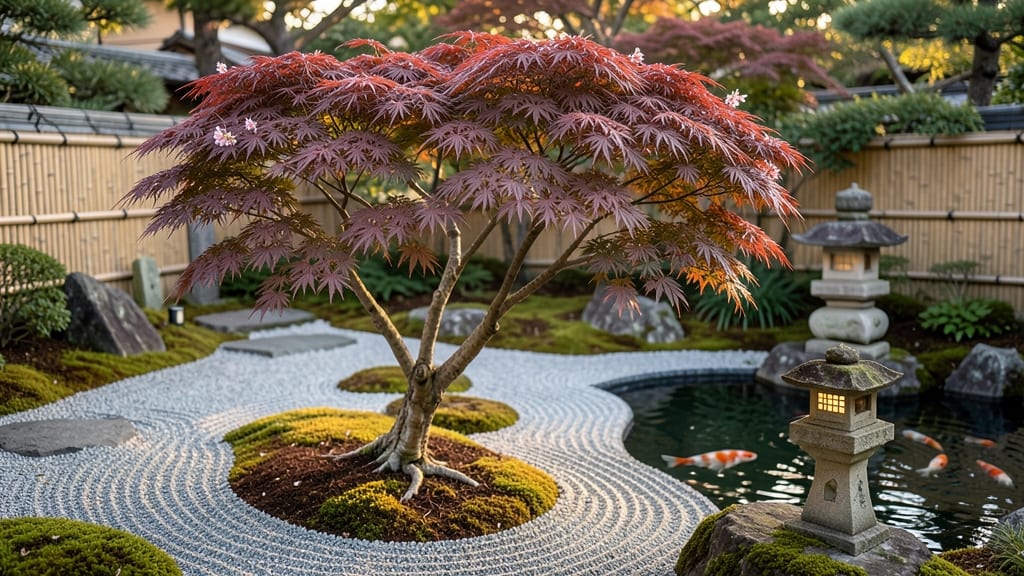
The Pasadena Japanese Garden offers a meticulously crafted retreat blending koi ponds, Zen gardens, and seasonal blooms like cherry blossoms, designed for peaceful walks and cultural immersion throughout the year. Its harmonious water features and lush landscapes provide a serene urban escape.
The Pasadena Japanese Garden stands as a masterpiece of traditional Japanese design, where every element—from carefully placed stones to flowing water features—serves both aesthetic and philosophical purposes. 🌿 This 13-acre sanctuary reflects wabi-sabi principles, emphasizing imperfection and natural beauty, while seasonal plant rotations ensure year-round visual interest.
Whether you're drawn to the tranquil koi ponds or the meticulously pruned bonsai trees, each area invites contemplation and connection with nature.
What makes this garden particularly special is its thoughtful layout, which guides visitors through different moods and experiences. The Moon Bridge area offers quiet reflection, while the Zen garden's raked gravel patterns encourage mindfulness.
These design choices aren't just decorative—they're intentional, creating spaces that promote relaxation and cultural appreciation in equal measure.
💡 In This Article
- Design Principles Behind Pasadena’s Japanese Garden Layout
- Best Times to Visit for Cherry Blossoms and Autumn Foliage
Design principles behind pasadena’s Japanese garden layout
The garden's layout follows wabi-sabi philosophy, embracing imperfection and transience as beauty. Every element—from 12-foot-tall torii gates to hand-placed stones—serves dual purposes: aesthetic harmony and spiritual meaning.
The three-tiered koi pond mirrors traditional Japanese water gardens, where each level symbolizes earth, water, and sky, creating visual balance while promoting tranquility through sound and reflection.
Stone placement isn't random—each rock follows fukinsei (asymmetry) principles, with uneven groupings that feel natural yet deliberate. The Moon Bridge area uses 150-year-old cypress trees to frame views, while gravel patterns in the Zen garden mimic water ripples, inviting visitors to rake them into meditative waves.
These techniques create ma (negative space), essential for Japanese composition where emptiness becomes an active element.
Seasonal plant rotations transform the garden monthly. Spring features 200 cherry trees (Prunus serrulata) whose blossoms average 1.5 inches wide, while autumn showcases maples with fiery red foliage that turns at 85°F temperatures.
The bonsai collection, including a 300-year-old pine, demonstrates shakkei (borrowed scenery) by framing distant mountain views through carefully positioned trees.
Water flow is engineered for sensory harmony. The 1,200-gallon koi pond uses recirculating waterfalls that produce 60 decibels—the ideal sound level for reducing stress.
Each water feature follows shakkei principles, with bridges and stone paths designed to reveal new perspectives at every turn, creating a dynamic experience that changes with the seasons.
What makes this design unique is its microclimate engineering. The garden's 13 acres include shaded areas with 90% humidity control during summer, while open spaces allow sunlight penetration for winter warmth.
This careful balance extends to plant selection—species like Japanese maples (Acer palmatum) thrive in slightly acidic soil (pH 5.5-6.5), while azaleas bloom best in partial shade.
For visitors, this means every path tells a story. The main trail winds 0.75 miles through four distinct garden zones, each with its own philosophical focus.
Whether it's the tea house courtyard (symbolizing hospitality) or the stone lantern-lined path (representing enlightenment), each element works together to create a living meditation space.