
Tools
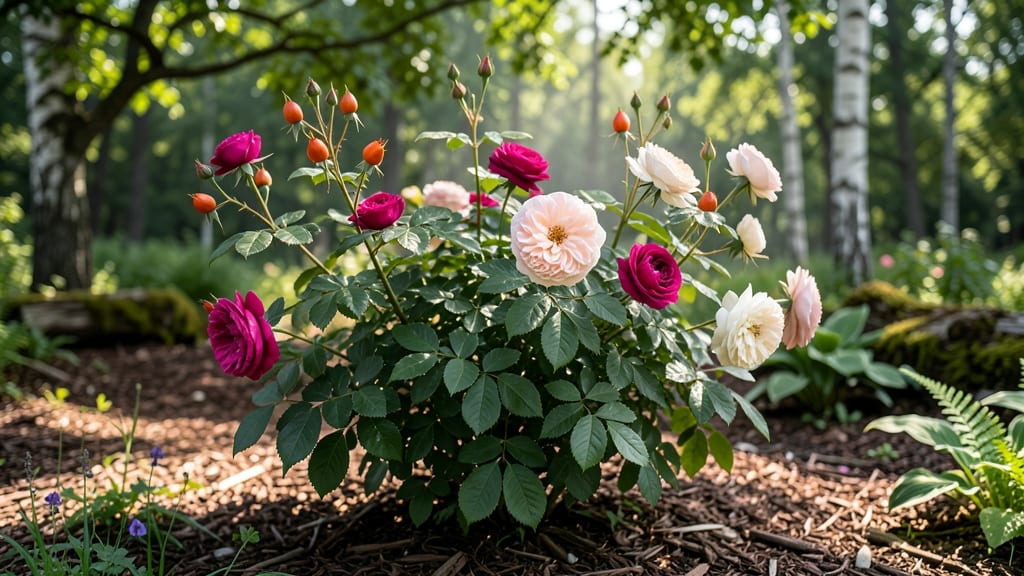
The Woodland Park Rose Garden at North 50th Street in Seattle, WA, is a 1.5-acre botanical gem open daily from dawn to dusk, with free admission. Peak bloom occurs in June and July, featuring over 200 rose varieties and themed gardens like the Cutting Garden and Rose Walk.
The Woodland Park Rose Garden is Seattle's most beloved floral showcase, offering a free, year-round escape with its 1.5 acres of meticulously curated roses. 🌸 While June and July deliver the most vibrant displays, the garden maintains beauty through fall with hardy varieties like 'Knock Out' roses.
Beyond the famous Cutting Garden, hidden gems include the fragrant 'David Austin' roses and the historic 'Old Garden Roses' section, which transports visitors back to the 19th century. The garden's open dawn-to-dusk hours make it perfect for early morning photographers or evening strollers seeking quiet reflection among the blooms.
What sets this garden apart is its educational value—interpretive signs detail each rose's origin and care requirements, while volunteer-led tours (available seasonally) reveal maintenance secrets.
For home gardeners, the layout demonstrates proven techniques like companion planting and seasonal pruning schedules. 🌿 Pro tip: Visit on weekdays to avoid crowds, and check the garden's social media for special events like rose pruning demonstrations in late winter.
💡 In This Article
- Best Times to Visit Woodland Park’s Rose Garden
- Hidden Features and Gardening Tips for Rose Lovers
Best times to visit woodland park’s rose garden
The garden’s seasonal bloom cycles are carefully timed with Seattle’s climate. Spring (April-May) brings early bloomers like 'Iceberg' roses, while summer (June-July) delivers the garden’s peak show with over 200 varieties in full color.
The Cutting Garden section, planted with roses bred for longevity, remains vibrant through early August, offering 10-14 days of continuous bloom per variety. 🌸
Weather plays a critical role—Seattle’s 60-75°F daytime temperatures in summer create ideal growing conditions, while morning dew and afternoon showers help maintain the garden’s health. The garden’s drip irrigation system, installed in 2018, delivers 1,200 gallons of water daily during peak season, ensuring roses stay hydrated without waste.
Visitors should plan for 1-2 hours to explore fully, as the garden’s layout encourages leisurely strolls through themed sections.
For photographers, early mornings (before 9 AM) offer soft light and fewer crowds, while late afternoons provide golden-hour lighting. The garden’s fragrant rose section, featuring varieties like 'Mister Lincoln', peaks in late June when temperatures stabilize above 65°F.
Fall brings hardy Knock Out roses, which bloom intermittently until frost, offering a quieter experience with 30-50% fewer visitors than summer months.
Timing also affects maintenance visibility. Winter (December-February) reveals the garden’s pruning process, where volunteers shape roses for spring growth—an educational opportunity for home gardeners. The garden’s seasonal volunteer program, active year-round, maintains 12,000+ rose plants, making it a living classroom for horticultural techniques. 🌿
Pro tip: Check the garden’s weekly maintenance schedule (available online) to time visits with pruning demonstrations or rose-cutting workshops, held 2-3 times monthly during peak season. These events often include free handouts on rose care, inspired by the garden’s 30-year-old cultivation practices.
For those visiting outside peak bloom, the garden’s evergreen shrubs and seasonal perennials provide year-round interest. The Rose Walk, lined with 19th-century rose varieties, remains a highlight even in winter, offering a nostalgic glimpse into historic horticulture. 🌺