
Planting
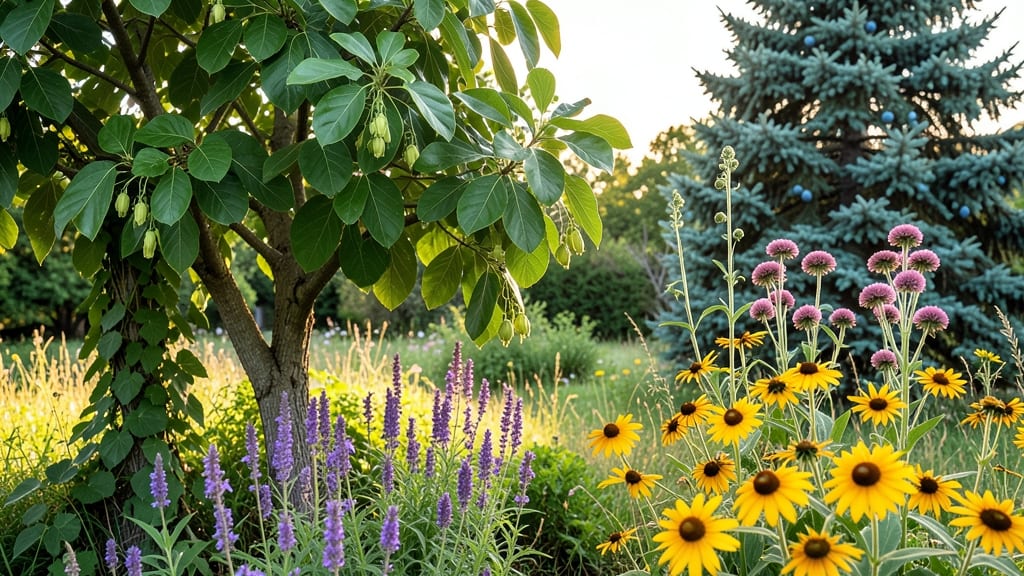
Philadelphia gardening zone includes USDA Hardiness Zones 7a-7b, where spring frost typically ends around April 15 and fall frost arrives between October 20-30. Cool-season crops like lettuce can be planted after the last frost, while warm-season plants such as tomatoes need soil temperatures of at least 60°F (usually by mid-May). The frost-free growing season lasts about 180-200 days, creating specific planting windows for Philadelphia gardens.
Philadelphia's gardening zone classification reflects its unique mix of Atlantic coastal influence and urban heat effects, which can shift frost dates by up to 2 weeks in either direction. 🌱 For example, areas near the Delaware River often experience later spring frosts due to water temperature, while rooftop gardens in Center City may warm up faster.
I always check Penn State Extension's historical frost maps to adjust my planting timeline—especially for heat-sensitive crops like basil or eggplants that need consistent warmth.
To maximize your garden's potential, start cool-season crops like spinach and peas in early spring, even before the last frost, since they tolerate light frosts. Warm-season plants, however, should wait until after May 15 when soil temperatures consistently stay above 60°F.
The city's 180-200 day frost-free window means you can grow two full harvest cycles—one in spring and another in late summer—if you plan succession plantings of quick-maturing crops like bush beans or radishes.
💡 In This Article
- Understanding Philadelphia’s USDA Zone 7a-7b Climate Factors
- Monthly Planting Calendar for Philadelphia Gardens
Understanding Philadelphia’s USDA zone 7a-7b climate factors
Philadelphia’s frost dates aren’t set in stone—they shift yearly due to the city’s unique climate interplay. The Delaware River acts like a thermal buffer, delaying spring warm-ups by 1-2 weeks in riverside neighborhoods like South Philly compared to inland areas.
Meanwhile, the urban heat island effect raises temperatures in dense sections like Center City by 2-5°F during summer nights, creating microclimates where frost dates can vary by 7-10 days across just a few blocks. 🌆
This variability explains why Penn State Extension’s frost data shows a 10-day range for both spring and fall frosts—from April 5-20 for last spring frost and October 15-30 for first fall frost.
The Atlantic Ocean’s moderating influence also means coastal areas like Penn’s Landing experience 30% fewer hard freezes (23°F) than inland suburbs, protecting tender plants like citrus or bougainvillea that might otherwise struggle in Zone 7a’s -5°F to 0°F minimum temperatures.
For gardeners, this means planning with flexibility. While the average last frost is April 15, I’ve seen years where May 1 was safer for planting tomatoes—especially in river-adjacent zones.
The key is tracking 5-day forecasts and soil temperatures (60°F for warm-season starters) rather than relying solely on calendar dates. 🌱 Urban gardeners can also leverage raised beds, which warm 2-3°F faster than ground soil, giving them a 2-week head start on planting.
Another critical factor is elevation: higher areas like West Philly’s Wissahickon Valley get 1-2°F cooler at night, extending the frost-free season by 5-7 days. This creates opportunities for late-season plantings of frost-tolerant crops like kale or Swiss chard after the October 20-30 average frost date.
The city’s 180-200 day frost-free window becomes a strategic advantage when you account for these microclimates—allowing for 3 full harvest cycles if you stagger plantings of fast growers like radishes or lettuce.
To adapt, I recommend using frost-free degree day calculators (available through Penn State’s Ag Progress reports) to adjust planting windows. For example, peppers need 120+ degree days above 50°F to mature—something only reliably achieved after May 20 in most of the city.
Meanwhile, broccoli can handle 28°F and even thrive with a light frost, making it a safer bet for early spring plantings.
What most gardeners overlook is how wind patterns affect frost risk. Areas near open spaces like Fairmount Park experience 10-15% more radiational frost events (when cold air settles) than street-level urban gardens.
This is why I always plant frost-sensitive seedlings like eggplants in protected microclimates—whether that’s against south-facing walls or under floating row covers that raise temperatures by 3-5°F.
Bottom line: Philadelphia’s Zone 7a-7b classification is just a starting point. The real magic happens when you combine historical data with real-time observations of your specific microclimate.
Start with the averages, then adjust based on your garden’s unique conditions—whether it’s the river’s cooling effect, a rooftop’s heat retention, or a neighbor’s tree canopy that delays spring sunlight. 🌿