
Tools
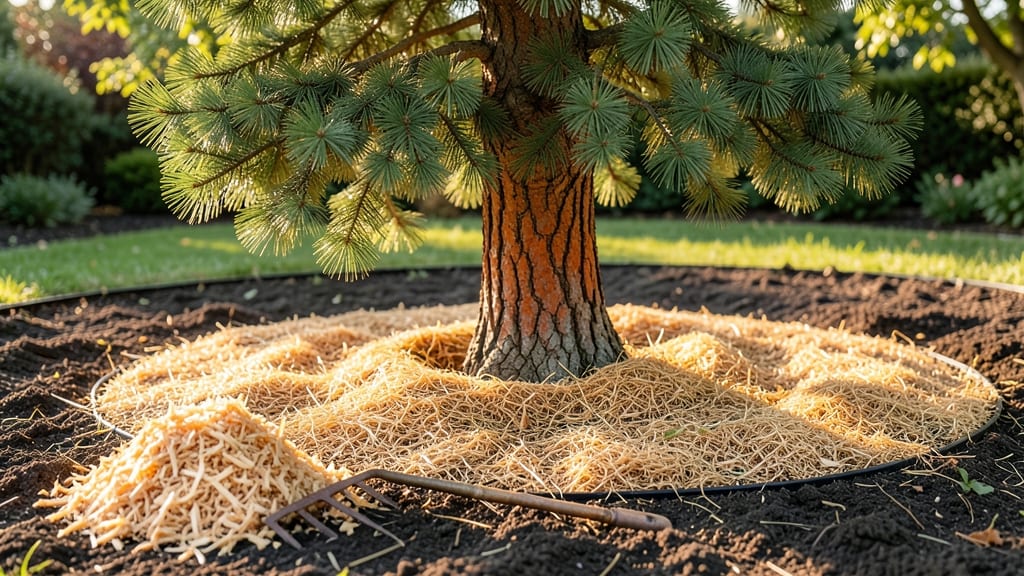
Using pine shavings in the garden adds natural acidity to soil, suppresses weeds, and retains moisture, but they can lower soil pH over time and may deter some plants like beans or peas. Always use sparingly and monitor soil acidity levels.
Pine shavings work best in gardens where you're cultivating acid-loving plants like blueberries, azaleas, or rhododendrons. 🌿 The slow breakdown releases organic matter that improves soil structure while keeping moisture locked in—ideal for dry climates or sandy soils.
However, their acidifying effects mean they're a poor choice for vegetable gardens or alkaline soil, where they could stunt growth of crops like tomatoes or peppers.
For best results, age the shavings for a few weeks before using to reduce resin content, then mix them lightly into the top inch of soil or use as mulch in a 1-2 inch layer.
Test your soil's pH before and after application, since overuse can create an overly acidic environment that harms beneficial microbes and plant roots.
💡 In This Article
- How Pine Shavings Affect Soil Chemistry and Plant Growth
- Best Practices for Applying Pine Shavings as Mulch or Soil Amendment
How pine shavings affect soil chemistry and plant growth
Pine shavings break down slowly, releasing organic acids like acetic and formic acid that gradually lower soil pH over time. 🌲 This process occurs because pine wood contains high levels of lignin and tannins, which resist rapid decomposition.
When shavings decompose, they release carbon compounds that feed beneficial microbes while also introducing hydrogen ions (H+) into the soil, creating a more acidic environment. For example, blueberry bushes thrive in soil with a pH between 4.5-5.5, and pine shavings can help maintain this range when used consistently.
The chemical breakdown also releases slow-release nutrients like nitrogen, phosphorus, and potassium, but in smaller quantities compared to fresh wood chips. This makes pine shavings an excellent long-term soil amendment rather than a quick nutrient boost.
The acidification process typically takes 6-12 months to become noticeable, so patience is key when using them for pH adjustment. For instance, adding a 2-inch layer of pine shavings around azaleas can help maintain their preferred acidic soil conditions without the need for chemical amendments.
However, the acidifying effects aren't uniform across all plants. 🌱 Acid-loving plants like rhododendrons, camellias, and hydrangeas benefit from the lower pH, while vegetables like beans, peas, and potatoes may struggle.
These crops prefer a neutral to slightly acidic soil (pH 6.0-7.0), and excessive pine shavings can inhibit their growth by making nutrients like nitrogen and phosphorus less available. The key is monitoring soil pH regularly—most garden centers offer inexpensive test kits that measure pH levels accurately.
Another critical factor is microbial activity. Pine shavings encourage the growth of acidophilic microbes that thrive in lower pH environments, but they can suppress beneficial microbes that prefer neutral conditions. This microbial shift explains why some plants wilt or show signs of nutrient deficiency when pine shavings are overused.
For example, tomatoes often exhibit yellowing leaves (chlorosis) in overly acidic soil because they can't absorb iron properly. Testing soil pH before and after application helps prevent these issues.
Consider the texture of pine shavings as well—their coarse, fibrous nature improves soil aeration and drainage, which is beneficial for plants that dislike soggy roots.
However, this same texture can create a barrier that slows water absorption in clay-heavy soils. 💧 For sandy soils, pine shavings help retain moisture by reducing evaporation, while in loamy soils, they provide a slow-release organic matter that feeds the soil over time.
The balance between these physical and chemical properties makes pine shavings a versatile but nuanced gardening tool.
To mitigate potential downsides, mix pine shavings with compost or well-rotted manure. This combination buffers the acidity while adding essential nutrients. For example, blending 50% pine shavings with 50% compost creates a milder amendment that still lowers pH slightly but provides a nutrient boost.
Always apply shavings in thin layers (1 inch) and reapply as needed, rather than piling them thickly, which can suffocate plant roots and create anaerobic conditions.
The bottom line is that pine shavings are a double-edged sword: they offer excellent moisture retention and weed suppression while gradually acidifying soil, but their effects must be managed carefully. 🌿 For acid-loving plants, they're a garden game-changer; for others, they require thoughtful application and monitoring.
Always start with a soil test to determine your garden's current pH before deciding whether pine shavings are the right choice.