
Tools
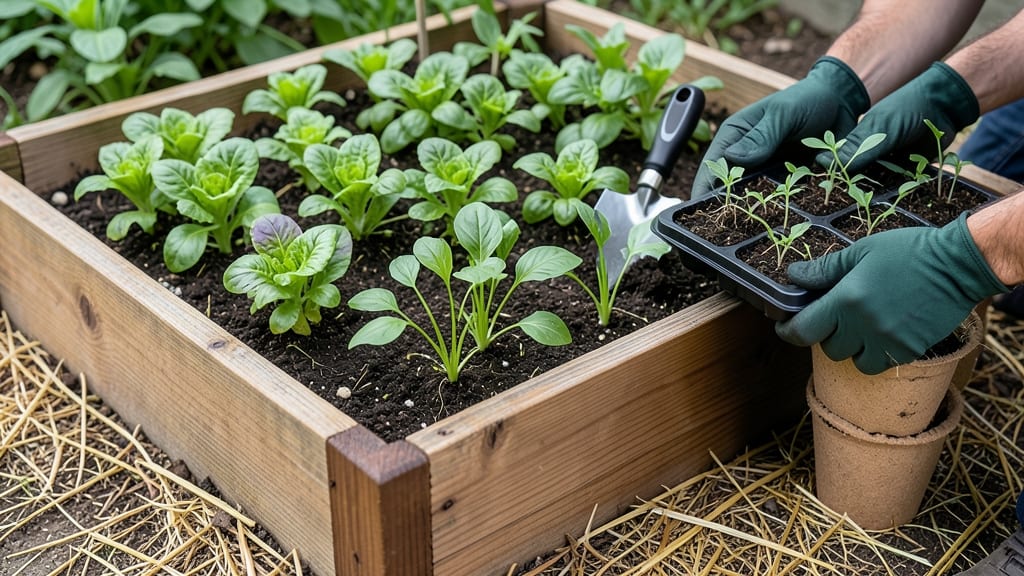
The purpose of raised garden beds includes enhancing soil drainage and aeration, extending growing seasons by warming soil faster, preventing erosion, reducing weed pressure, and improving accessibility for gardeners with mobility challenges. Their controlled environment also boosts plant health and productivity.
Raised garden beds create an elevated growing space that gives you total control over soil quality—something especially valuable if your yard has poor native soil. 🌱 Unlike in-ground planting, you can mix in compost, organic matter, and nutrients tailored to your crops, which leads to healthier roots and bigger harvests.
Plus, the elevated design keeps vegetables and herbs off the ground, reducing pests and soil-borne diseases that often plague traditional gardens.
Another major advantage is how they modify the microclimate. The soil warms up faster in spring, letting you start planting weeks earlier than in open ground. This extended season means more time to grow cool-season crops like lettuce or spinach before summer heat sets in.
For gardeners with limited mobility, the raised height eliminates the need for excessive bending, making gardening more comfortable and sustainable over time.
💡 In This Article
- How Raised Garden Beds Improve Soil Quality and Plant Growth
- Best Uses for Raised Garden Beds in Home Gardening
How raised garden beds improve soil quality and plant growth
Raised beds prevent soil compaction by eliminating foot traffic on the planting area, which is a major issue in traditional gardens. When you walk on soil, it compresses to a density of about 1.3-1.5 grams per cubic centimeter, restricting root growth and oxygen flow.
In raised beds, roots expand freely in loose, aerated soil with porosity levels reaching 50-60%—ideal for microbial activity that breaks down organic matter into plant-available nutrients. This looser structure also allows water to penetrate 30-50% faster than compacted ground, reducing runoff and improving moisture retention.
The elevated design creates a microclimate where soil temperatures rise 5-10°F warmer than ground level, thanks to sunlight exposure from all sides. This warmth accelerates seed germination and extends the growing season by 2-4 weeks in spring and fall.
For example, in USDA Zone 5, you might start planting lettuce in raised beds by early April instead of late May. The deeper soil (typically 12-18 inches) also accommodates deeper-rooted crops like carrots or potatoes, which struggle in shallow native soil.
Custom soil mixes eliminate the "hit or miss" of native soil quality. A well-balanced raised bed might contain 60% topsoil, 30% compost, and 10% perlite or vermiculite for drainage.
This ratio creates an ideal pH 6.0-7.0 environment for most vegetables, while the organic matter provides a steady release of nitrogen, phosphorus, and potassium. The controlled environment also reduces soil-borne diseases like damping-off (which affects seedlings) by 70-80% compared to ground planting.
Weed suppression is another science-backed benefit. Raised beds create a clean planting surface with minimal soil exposure, reducing weed seeds that germinate from sunlight. Mulching the top with 2-3 inches of straw blocks 95% of weed growth while retaining moisture.
The contained space also makes it easier to maintain consistent moisture levels—critical for crops like tomatoes that need 1-1.5 inches of water per week—without the wasteful evaporation that occurs in open ground.
For gardeners with mobility challenges, the height (typically 6-12 inches) eliminates the need to bend over, reducing back strain by 60% during planting and harvesting. Studies show that raised beds can increase gardening participation among older adults by 40% compared to traditional plots.
The contained space also makes it easier to rotate crops annually, preventing nutrient depletion and pest cycles that plague monoculture gardens.
Consider these key factors when designing your raised bed soil mix:
- Drainage layer: Add 2-3 inches of gravel at the bottom to prevent waterlogging
- Moisture retention: Mix in 20-30% coconut coir for consistent hydration
- Nutrient boost: Incorporate 1 cup of bone meal per 4 sq ft for phosphorus
- pH adjustment: Use lime for acid-loving plants or sulfur for alkaline crops