
Lawn
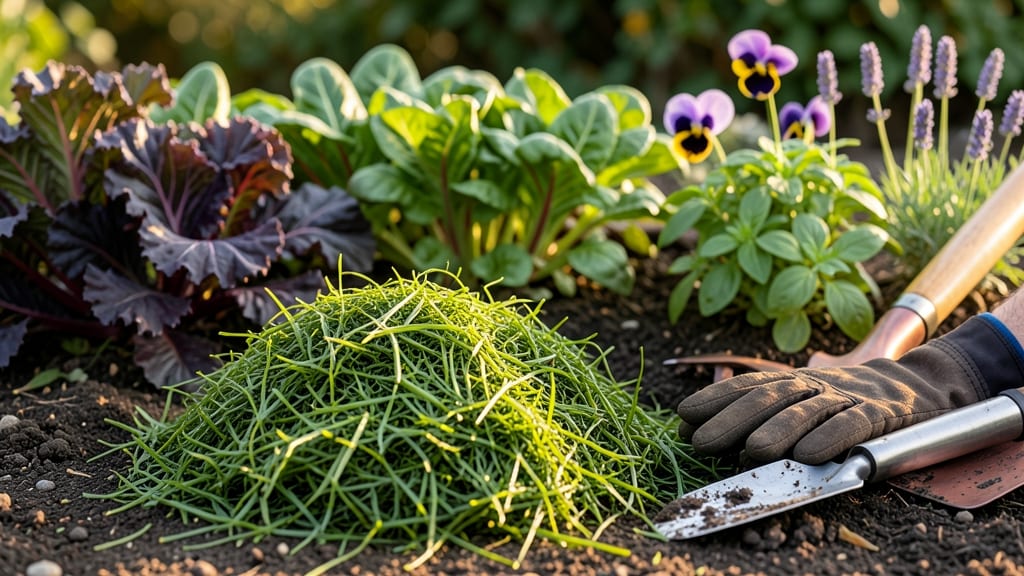
Putting grass clippings in the garden enriches soil with nitrogen and organic matter, reducing waste while promoting healthier plant growth—just avoid thick layers that can smother plants or attract pests. Use fresh or composted clippings for best results.
Grass clippings act like a natural fertilizer, breaking down quickly to release nitrogen that plants crave. 🌱 When you spread them thinly (about ¼-inch thick), they create a protective mulch that locks in moisture and regulates soil temperature.
I've seen firsthand how this simple practice cuts down on watering needs by up to 30% while keeping weeds at bay. The key is consistency—regular small applications work better than occasional heavy doses, which can create thatch or attract pests like fungus gnats.
For best results, time your application right after mowing when clippings are still fresh. If you're dealing with a large yard, consider composting first to create "mulch tea" by steeping clippings in water for a nutrient-rich liquid fertilizer. This method captures all those beneficial compounds without risking smothering your plants.
💡 In This Article
- How Grass Clippings Improve Garden Soil Health
- Best Methods for Using Grass Clippings in Your Garden
How grass clippings improve garden soil health
Grass clippings are packed with nitrogen—about 4-5% by dry weight—which plants crave for lush, green growth. When you spread them thinly (¼-inch thick), they decompose rapidly (within 2-4 weeks), releasing this nitrogen in a form that's immediately available to roots.
This contrasts with synthetic fertilizers, which often require time to break down or may leach away before plants can use them. The decomposition process also generates heat, which helps break down tough soil compounds and improves aeration.
Beyond nitrogen, clippings boost soil structure by adding organic matter that enhances water retention. A 1-inch layer can increase moisture retention by up to 30% while reducing evaporation. The fibrous texture creates tiny air pockets, improving soil aeration—critical for root development.
Fresh clippings release nutrients quickly but can mat if left too thick, while composted clippings provide slow-release nutrition over months. Think of it like a natural sponge that keeps soil hydrated while feeding microbial life that breaks down organic material into plant-accessible forms.
Microbial activity is where the real magic happens. Grass clippings feed beneficial bacteria and fungi that decompose organic matter, creating a thriving ecosystem. These microbes produce enzymes that further break down nutrients, making them more available to plants.
For example, actinobacteria in the soil help suppress harmful pathogens while mycorrhizal fungi form symbiotic relationships with plant roots, enhancing nutrient uptake. This microbial boost is why gardens amended with clippings often show improved resistance to diseases and pests.
Timing matters for maximum benefit. Fresh clippings should be spread when soil is warm (60°F+) and moist—ideal conditions for microbial activity. In cooler climates, composting clippings first ensures nutrients are available when plants need them most.
The C:N (carbon:nitrogen) ratio of grass clippings is roughly 20:1, which is perfect for decomposition when mixed with carbon-rich materials like leaves or straw. This balance prevents odors and ensures complete nutrient release.
Here's what happens when you skip this step: Thick layers (>½-inch) can smother plants by blocking sunlight and air, while clippings left to dry out become thatch—a dense, impermeable layer that chokes roots. The key is thin, even distribution.
For vegetable gardens, a ⅛-inch layer around plants provides nutrients without competition. For lawns, mulching clippings back into the turf returns nutrients directly to the soil while reducing water needs by up to 25%.
For advanced gardeners, consider making \"mulch tea\" by steeping clippings in water for 24-48 hours. This liquid fertilizer captures all the soluble nutrients, including potassium and phosphorus, in a form plants absorb instantly.
The tea's mild acidity also helps break down mineral deposits in hard water, making it a two-for-one soil amendment. Just strain well before applying to avoid clogging irrigation systems.