
Tools
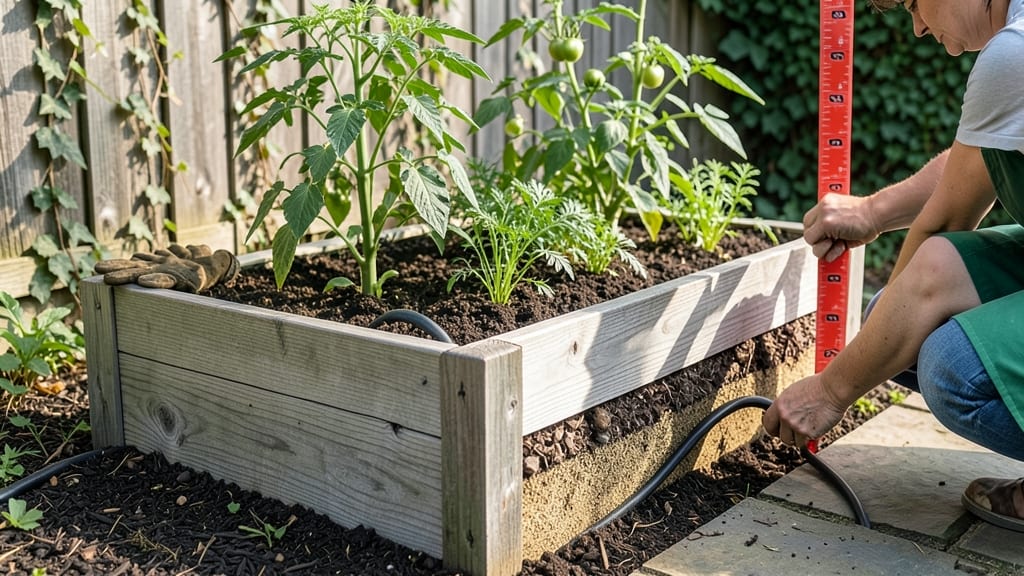
Determining raised garden height is crucial because beds between 6 and 12 inches strike the perfect balance for root development, drainage, and ease of care.
This height range supports most vegetables and herbs while keeping soil temperatures stable—critical for root growth. 🌱 A deeper bed (12 inches) works best for deep-rooted plants like carrots or potatoes, while shallower beds (6 inches) suit lettuce or herbs.
The key is avoiding overheating in summer while ensuring adequate soil depth for nutrient absorption.
Accessibility also plays a role: taller beds reduce bending, making them ideal for gardeners with mobility concerns. Just be mindful of wood decay—cedar or redwood lasts longer in ground contact than untreated lumber.
💡 In This Article
- Why Raised Garden Bed Height Affects Plant Health
- Best Raised Garden Bed Heights for Different Plants
Why raised garden bed height affects plant health
Soil temperature is the first critical factor influenced by bed height. A 6-inch bed heats up faster in summer because it has less soil mass to absorb and regulate heat, which can stress shallow-rooted plants like lettuce or radishes.
The surface temperature in a 6-inch bed during peak sun can reach 100°F or higher, while deeper 12-inch beds maintain more stable temperatures around 80-85°F—ideal for root development. This temperature difference explains why deep-rooted crops like tomatoes thrive in taller beds.
Root zone depth directly correlates with plant maturity and yield. Shallow beds (6 inches) limit root growth for plants needing 12+ inches of soil, like carrots or parsnips, forcing them to compete for nutrients near the surface.
In contrast, 12-inch beds provide the full depth carrot roots need to grow straight and reach their full potential. The extra soil volume also supports better microbial activity, as deeper layers host diverse fungi and bacteria that break down organic matter into plant-accessible nutrients.
Moisture retention is another key mechanism tied to height. Taller beds hold water deeper, reducing evaporation and creating a more consistent water supply for roots.
A 6-inch bed can dry out completely in 2-3 days during hot weather, while a 12-inch bed maintains moisture near the roots for 5-7 days after watering. This stability is crucial for plants like peppers, which wilt dramatically when their roots dry out.
Microbial activity thrives in deeper soil profiles because of the gradual temperature shifts and organic matter distribution. The top 4 inches of soil contain the highest microbial density, but deeper layers (down to 12 inches) support beneficial fungi like mycorrhizae that form symbiotic relationships with plant roots.
These fungi extend the root system's reach by up to 10 times its length, dramatically improving nutrient uptake—something shallow beds simply can't provide.
Consider the trade-off between height and maintenance. While 12-inch beds offer superior growing conditions, they require more soil and materials, which can increase costs by 30-50% compared to 6-inch beds. The extra depth also means more water retention, which can lead to overwatering if not managed carefully.
For gardeners in cooler climates, 6-inch beds may suffice, but in hot, dry regions, the additional depth becomes essential for survival.
One often-overlooked benefit of taller beds is their ability to insulate roots against temperature extremes. In winter, a 12-inch bed stays 10-15°F warmer at the root zone than a 6-inch bed, protecting tender plants from frost damage.
This insulation effect works in both directions—preventing summer heat stress while extending the growing season in cold months.