
Tools
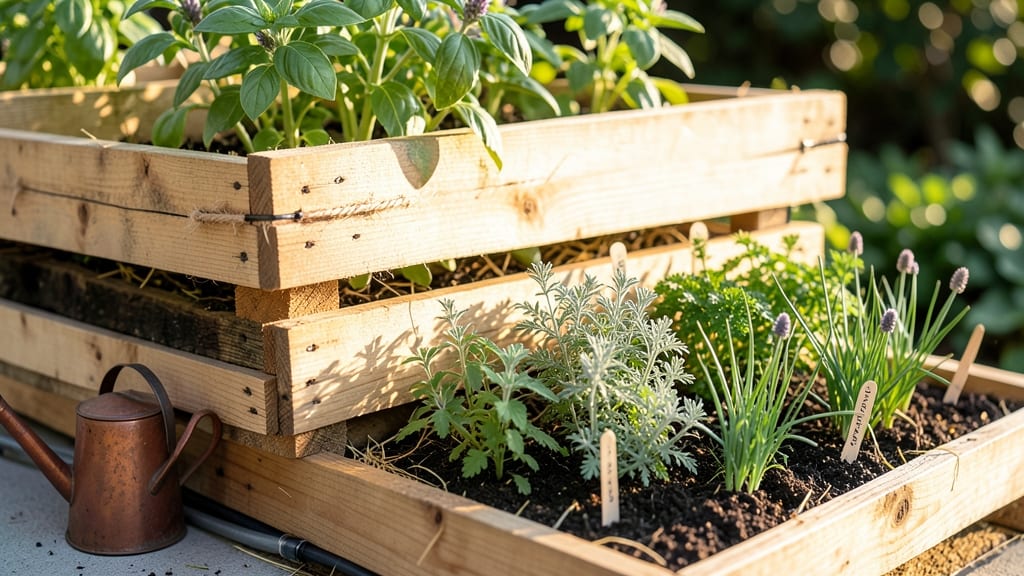
Recycled pallet garden beds offer budget-friendly, space-efficient planters perfect for growing herbs, flowers, or vegetables. You can arrange them vertically, horizontally, or nest them for creative layouts while using landscape fabric or hardware cloth to ensure proper drainage.
These upcycled planters transform discarded materials into functional garden spaces, perfect for small yards or urban balconies. 🌱 The key to success lies in proper assembly—sanding rough edges and sealing wood prevents splinters and extends lifespan.
I've found that stacking pallets vertically maximizes growing space while keeping costs near zero, making them ideal for beginners or eco-conscious gardeners.
For drainage, always line the bottom with hardware cloth before adding soil—this prevents root rot while keeping pests out. The modular nature of pallet beds means you can expand or reconfigure your garden as needed, adapting to seasonal plantings or design changes without breaking the bank.
💡 In This Article
- How to Build Sturdy Recycled Pallet Garden Beds
- Best Plants for Pallet Garden Beds by Space and Light
How to build sturdy recycled pallet garden beds
Pallets are typically made from heat-treated pine or pressure-treated wood, giving them natural durability. The key to stability lies in their deckboard structure—each pallet has two parallel boards (stringers) connected by three crossboards (blocks), creating a rigid frame.
For garden beds, focus on the 3-4 inch deep space between the bottom and top deckboards, which provides the perfect soil depth for most herbs and shallow-rooted plants.
When building, start by selecting HT (heat-treated) pallets over MB (methyl bromide-treated) ones, as they're safer for edible plants. Sand all edges thoroughly with 80-120 grit sandpaper to remove splinters and rough spots—this is especially important if you're growing herbs like basil or mint that gardeners often handle frequently.
Seal the wood with a non-toxic, water-based sealant to protect against moisture and extend the bed's lifespan by 2-3 years or more.
For drainage, cut 1/4-inch holes in the bottom corners of each pallet using a reciprocating saw or drill, then line the interior with hardware cloth (not plastic mesh) to prevent soil from washing out while keeping burrowing pests like rodents at bay.
The hardware cloth's 1/4-inch openings allow water to drain freely while blocking roots from escaping through the holes.
Stability comes from weight distribution—place pallets on level ground or use cinder blocks at the corners to elevate them slightly. For vertical gardens, stack pallets with L-brackets or heavy-duty zip ties to secure them, ensuring the weight of soil and plants doesn't cause them to topple.
I've found that 4x4-foot pallets hold up best for horizontal beds, while 2x4-foot pallets work perfectly for vertical arrangements.
Consider the weight capacity of your pallets—most can support 50-100 pounds when properly secured. Fill the beds with a lightweight potting mix (like 60% compost, 30% coconut coir, and 10% perlite) to reduce overall weight while providing excellent drainage.
This combination prevents compaction and keeps roots aerated, which is crucial for shallow-rooted plants like lettuce or strawberries.
For extra weather resistance, paint the exterior with latex paint after sealing—this adds another layer of protection against rain and UV rays.
The paint also makes the beds look more intentional in your garden space. 🌿 Remember that proper drainage and weight distribution are the two most critical factors in ensuring your pallet garden beds last through multiple growing seasons.