
Tools
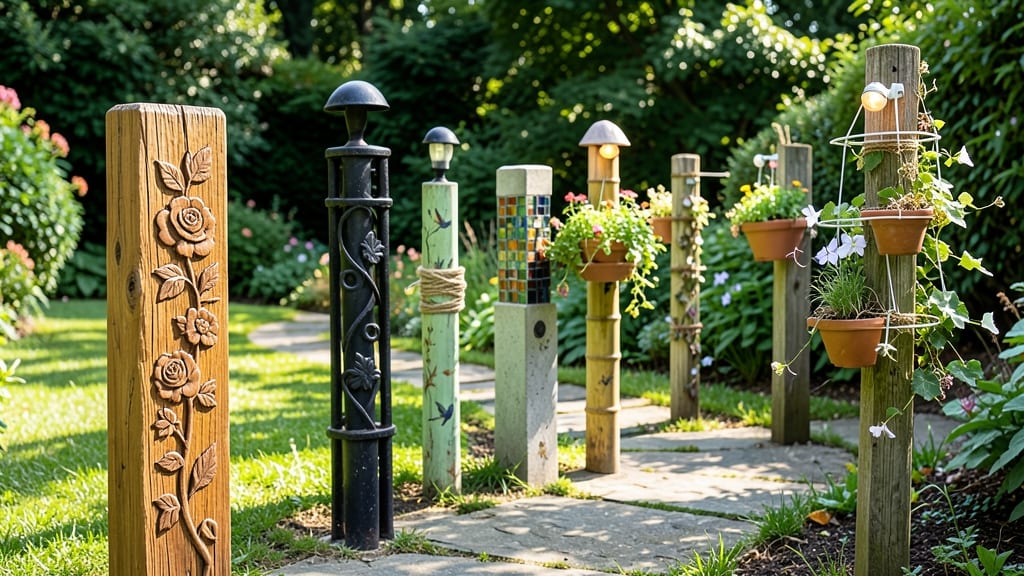
Garden post ideas include rustic wooden stakes, sleek metal or stone pillars, and creative designs that blend function with style. Opt for durable materials like cedar or bamboo, and enhance them with painted accents, carvings, or even solar-powered lighting to elevate your garden's aesthetic.
Transforming your garden with the right posts isn't just about support—it's about creating a cohesive look that reflects your style. 🌿 Whether you're framing a vegetable patch or marking a pathway, materials like cedar resist rot naturally, while metal offers a contemporary edge that lasts decades.
I've seen gardeners repurpose old wine barrels or vintage bottles as posts, adding character while keeping costs low. The key is matching your post's material and finish to your garden's overall theme, whether that's cozy cottage charm or minimalist modern lines.
For extra flair, consider adding decorative elements like lattice patterns for climbing plants or painted murals that tie into your garden's color scheme. Solar-powered lights wrapped around posts can also create a magical evening ambiance without wiring hassles.
Think of your posts as both structural anchors and artistic focal points—they're the unsung stars of garden design.
💡 In This Article
- Best Materials for Long-Lasting Garden Posts
- Decorative Garden Post Designs for Every Style
Best materials for long-lasting garden posts
When selecting garden post materials, durability is everything—especially since these structures face constant exposure to moisture, temperature swings, and pests.
Cedar stands out as the gold standard for wood due to its natural resistance to rot and insects, thanks to high levels of thujaplicin, a compound that repels termites and fungi.
A 4x4-inch cedar post can last 15-20 years untreated, while redwood offers similar longevity but at a higher cost. For tropical climates, bamboo is another excellent choice, as its dense, fibrous structure resists warping and splitting better than many softwoods.
Metal posts, typically made from galvanized steel or aluminum, provide unmatched strength and longevity—some last 50+ years without rusting when properly coated. The trade-off? Metal can feel stark in organic gardens unless you choose decorative finishes like powder-coated powder in earthy tones or hammered textures.
Stone pillars, often crafted from granite or limestone, offer timeless elegance and natural weather resistance, though they require professional installation due to their weight. Recycled plastic posts have surged in popularity for their zero-maintenance appeal and eco-friendly credentials, mimicking wood's appearance while resisting rot and pests entirely.
Your climate plays a critical role in material selection. In humid regions, untreated wood will degrade faster unless sealed with linseed oil or polyurethane, while dry climates may allow for more natural finishes. Metal posts in coastal areas need marine-grade coatings to prevent salt corrosion.
For budget-conscious gardeners, pressure-treated pine offers affordability but requires regular sealing to prevent chemical leaching—a concern if your garden produces edibles. The key is balancing upfront cost against long-term maintenance to ensure your posts remain both functional and beautiful for years.
Consider how each material interacts with your garden's ecosystem. Wooden posts, for example, provide natural perches for birds and habitats for beneficial insects, while metal posts create a cleaner, more modern aesthetic. Stone posts add a rustic, timeless quality but may require additional landscaping to soften their weighty presence.
If sustainability is a priority, FSC-certified wood or recycled composite materials offer eco-friendly alternatives without sacrificing durability. The right choice depends on whether you prioritize organic integration, low maintenance, or architectural statement.
For added longevity, always pre-drill holes for screws or bolts to prevent wood splitting, and use stainless steel hardware to avoid corrosion. If you opt for wood, apply a water-repellent sealant annually to extend its life. Metal posts should be grounded properly to prevent lightning strikes in storm-prone areas.
The investment in quality materials pays off not just in durability, but in the ability to create a garden that evolves with your style without constant replacements.