
Container Gardens
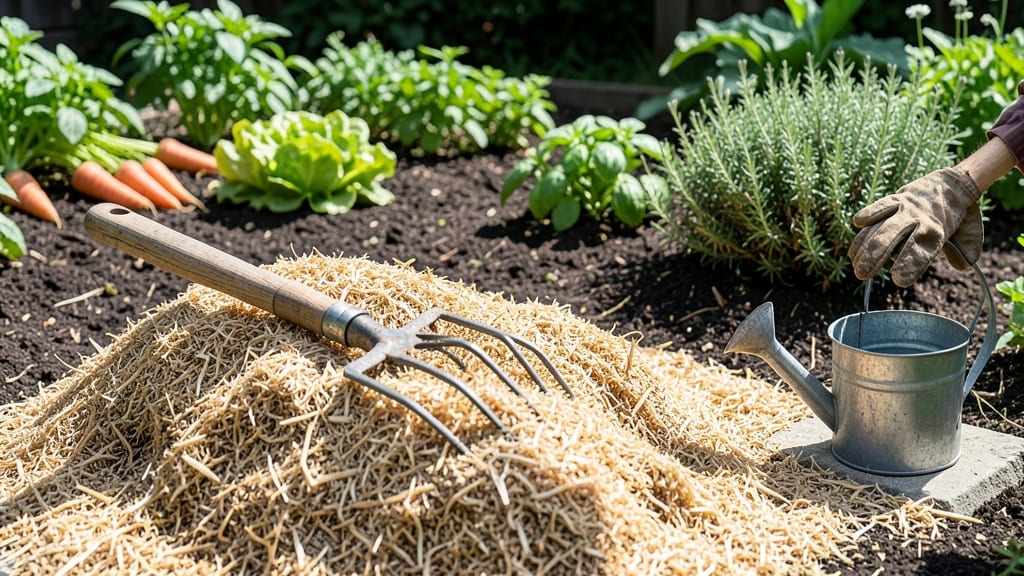
Using sawdust in garden beds enhances soil structure and moisture retention, but it must be used carefully to prevent nitrogen depletion and slow plant growth. Apply it as a thin layer of mulch or compost amendment for best results.
Sawdust breaks down slowly, creating a sponge-like layer that improves soil aeration and prevents compaction. 🌱 However, its high carbon content can temporarily rob nitrogen from the soil, which is why I always pair it with nitrogen-rich amendments like composted manure or alfalfa meal.
For container gardens, I recommend mixing sawdust with coconut coir or peat moss to balance its effects.
This wood-based amendment works best for established plants rather than seedlings or nitrogen-hungry crops like tomatoes and peppers. The key is moderation—too much sawdust can create an acidic environment that stunts root growth.
I've found that spreading 1-2 inches annually in the fall provides just enough organic matter without overdoing it.
💡 In This Article
- How Sawdust Impacts Soil Composition and Plant Nutrition
- Best Practices for Using Sawdust in Garden Beds
How sawdust impacts soil composition and plant nutrition
Sawdust primarily consists of cellulose and lignin, both complex carbohydrates that break down through microbial activity in the soil. When added, these components create tiny air pockets that improve soil aeration—similar to how a sponge absorbs water but allows air circulation.
This structure helps roots access oxygen while preventing compaction, especially in heavy clay soils where drainage often becomes an issue. The decomposition process releases organic acids that can slightly lower soil pH over time, making sawdust particularly useful for plants that prefer acidic conditions like blueberries or hydrangeas.
The real science happens in the nitrogen cycle. Sawdust has a carbon-to-nitrogen (C:N) ratio of about 500:1, which is extremely high compared to compost (25:1) or grass clippings (20:1). 🌱 When microbes decompose sawdust, they consume available nitrogen in the soil to break down this carbon-rich material.
This creates what gardeners call a "nitrogen sink," temporarily starving plants of this essential nutrient. The effect is most noticeable in nitrogen-loving crops like leafy greens, corn, or tomatoes, which may show yellowing leaves if sawdust isn't balanced with nitrogen sources.
Unlike straw or leaves, sawdust breaks down much more slowly due to its dense cellulose structure. This slow decomposition means its benefits—like improved moisture retention and soil structure—last longer, but it also means you won't see immediate nutrient payoffs.
The process can take months to years, depending on wood type (pine decomposes faster than oak). For this reason, sawdust works best as a long-term soil amendment rather than a quick nutrient boost.
Its coarse texture also makes it ideal for top-dressing around established perennials or shrubs where gradual organic matter enrichment is desired.
One often-overlooked benefit is sawdust's ability to suppress weeds. The thick mulch layer blocks sunlight from reaching weed seeds while maintaining consistent soil moisture.
However, this same property can create challenges for seed germination—sawdust should never be used directly over newly planted seeds or seedlings, as it can smother tender shoots. The ideal scenario is applying sawdust around established plants where it can work its magic without interfering with early growth stages.
When comparing sawdust to other organic mulches, its high carbon content sets it apart. While straw improves soil with a more balanced C:N ratio (around 80:1), sawdust's extreme carbon richness makes it better suited for specific applications where long-term structure improvement is the goal.
The trade-off is that you'll need to monitor soil nitrogen levels more carefully when using sawdust, especially in vegetable gardens where plants have high nutrient demands. 🌿
For container gardens, sawdust can be particularly valuable when mixed with other amendments. I've found that combining it with composted manure or worm castings creates a balanced growing medium that leverages sawdust's structural benefits while providing the nitrogen it would otherwise deplete.
This combination works especially well for potted acid-loving plants like azaleas or blueberries, where both the structural and pH benefits become mutually reinforcing.