
Vegetables
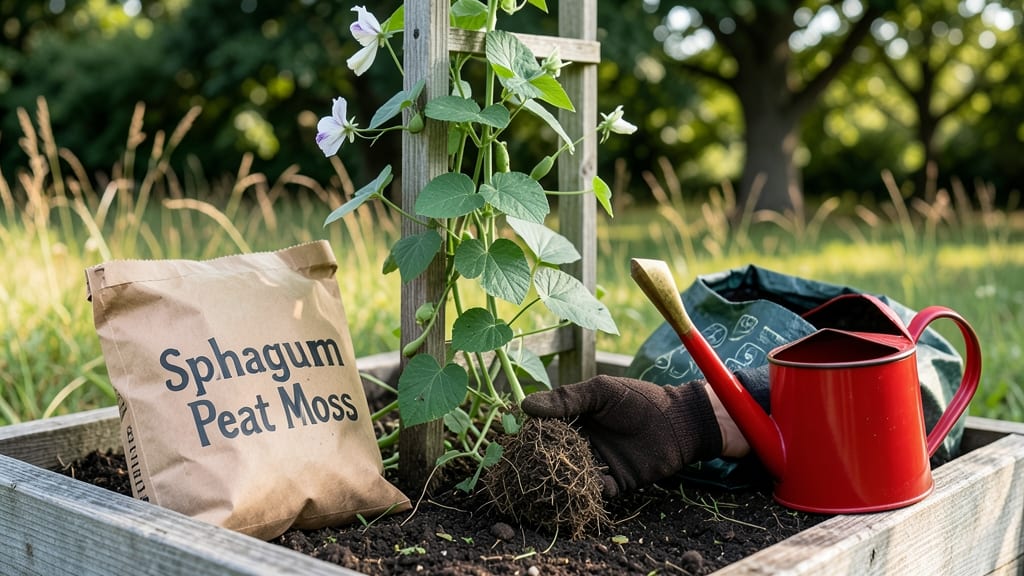
Peat moss is good for vegetable gardens because it improves soil drainage, retains moisture, and provides essential nutrients, but its sustainability concerns and long-term depletion make alternatives like coconut coir increasingly popular.
Peat moss works wonders for vegetable gardens by creating that perfect balance between moisture retention and airflow—critical for root health. 🌱 The fibrous structure acts like a sponge, holding water near roots while preventing waterlogging, which is especially helpful for heavy feeders like tomatoes and peppers.
However, its environmental impact can't be ignored: harvesting peat destroys fragile ecosystems, and supplies are dwindling rapidly, making it a less sustainable long-term choice for conscientious gardeners.
For those prioritizing eco-friendliness, alternatives like coconut coir or well-aged compost offer similar moisture control without the ecological footprint. I've found that mixing these materials with existing garden soil at a 20-30% ratio maintains excellent drainage while supporting microbial activity that boosts nutrient availability for your veggies.
💡 In This Article
- How Peat Moss Enhances Vegetable Garden Soil
- Sustainable Alternatives to Peat Moss for Gardens
How peat moss enhances vegetable garden soil
Peat moss works its magic through a unique combination of physical and chemical properties. Its fibrous structure creates tiny air pockets that improve soil aeration—a critical factor for vegetable roots, which need oxygen to grow efficiently.
For example, when mixed into clay-heavy soil at a 20-30% ratio, peat moss can increase porosity by up to 50%, preventing root suffocation that often stunts growth in dense soils.
The spongy texture also holds 3-4 times its weight in water, releasing it gradually to roots during dry spells.
The real science lies in its cation exchange capacity (CEC), which measures how well soil holds essential nutrients like nitrogen, phosphorus, and potassium. Peat moss has a CEC of 80-120 meq/100g, meaning it can temporarily store and slowly release nutrients that vegetable plants crave.
This is particularly valuable for heavy feeders like corn or squash, which deplete soil nutrients rapidly. The slightly acidic nature (pH 3.5-4.5) also helps buffer alkaline soils, creating an ideal 6.0-7.0 pH range for most vegetables.
What you'll notice in practice is how peat moss transforms soil texture. Heavy, compacted garden soil becomes lighter and easier to work with, reducing the effort needed for planting and weeding.
The moisture retention prevents daily watering routines while still keeping roots hydrated—critical during hot summer months when evaporation rates can exceed 1 inch per week. For leafy greens like lettuce or spinach, this means fewer wilting leaves and more consistent harvests.
However, the benefits come with trade-offs. Peat moss breaks down slowly (over 5-10 years), which means its structure degrades faster than you might expect in active vegetable beds. This decomposition can temporarily tie up nitrogen in the soil, creating a "hunger" period where young seedlings struggle to grow.
The solution? Mix in a balanced organic fertilizer (10-10-10 ratio) when adding peat moss to prevent nutrient deficiencies in your vegetables.
For the best results, combine peat moss with compost or perlite to create a well-draining yet moisture-retentive blend. I've found that a 50% peat moss, 30% compost, 20% perlite mix works exceptionally well for raised vegetable beds, providing the ideal balance of aeration, water retention, and nutrient availability.
The compost adds microbial activity that further enhances nutrient cycling for your plants.
One often-overlooked benefit is how peat moss suppresses certain soil-borne diseases. Its acidic nature inhibits fungal growth like damping-off, which can devastate seedlings. For vegetable gardens prone to fungal issues, incorporating 2-3 inches of peat moss into the topsoil can significantly reduce disease pressure while improving overall soil health. 🌱