
Fertilization
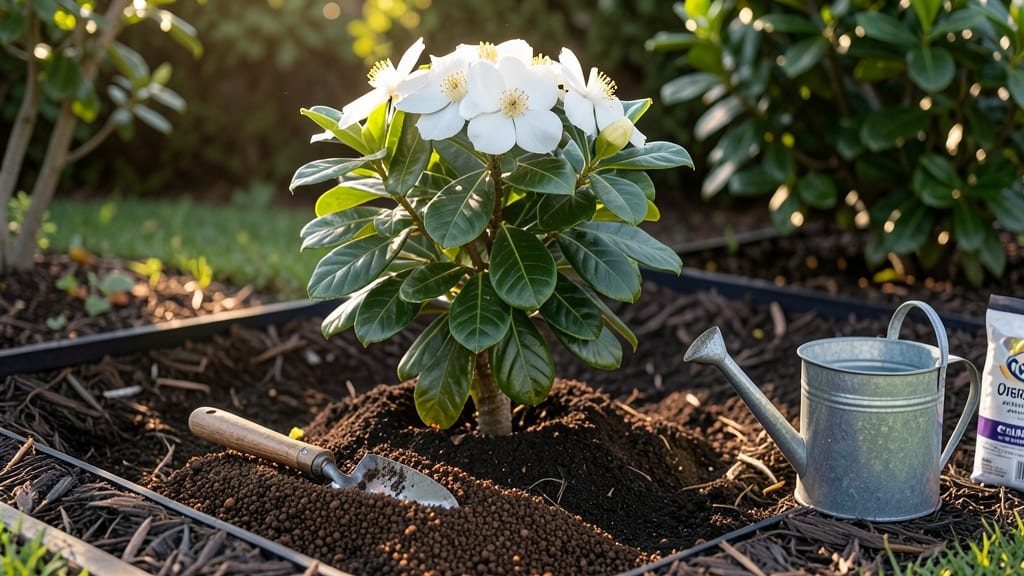
Using coffee grounds for gardenias boosts growth by feeding nitrogen, balancing soil acidity for optimal blooming, and naturally repelling pests—just use them sparingly to prevent over-acidification or fungal issues.
Coffee grounds work wonders for gardenias because they're a natural nitrogen source that mimics the acidic conditions these plants thrive in. 🌿 The grounds break down slowly, releasing nutrients over time while also attracting earthworms that aerate the soil.
I've seen gardenias respond dramatically when I mix a thin layer of used grounds into the mulch—blooms become fuller and more frequent, and the plants seem more resilient to pests like aphids.
For best results, I recommend working them into the soil during spring or fall when gardenias aren't actively blooming. Just a ½-inch layer mixed into the top 2-3 inches of soil is plenty—too much can create thatch or attract fungus gnats.
Always compost fresh grounds for a few weeks first to prevent mold.
💡 In This Article
- How Coffee Grounds Improve Gardenia Soil Chemistry
- Best Practices for Applying Coffee Grounds to Gardenias
How coffee grounds improve gardenia soil chemistry
Coffee grounds act as a slow-release nitrogen fertilizer because they contain about 2% nitrogen by weight—though this varies slightly depending on roast level (darker roasts have marginally less).
When mixed into soil, microbial activity breaks down the organic matter through a process called mineralization, where complex compounds like cellulose and lignin are converted into simpler nitrogen forms like ammonium (NH₄⁺) and nitrate (NO₃⁻).
These forms become immediately available to gardenia roots, which are heavy nitrogen feeders for lush foliage and abundant blooms.
The real magic happens with pH adjustment. Gardenias thrive in acidic soil with a pH range of 5.0-6.5, and coffee grounds help lower pH by releasing organic acids like chlorogenic acid during decomposition.
A ½-inch layer of composted grounds can reduce soil pH by 0.5-1.0 points over several months, creating the ideal acidic environment. This contrasts sharply with synthetic fertilizers, which often raise soil pH over time due to their alkaline salts—something gardenias absolutely hate.
Beyond nutrients, coffee grounds stimulate beneficial microbial communities. The grounds provide a carbon source that feeds soil bacteria and fungi, which in turn help break down organic matter and create a more porous soil structure.
This microbial boost improves water retention while preventing compaction—a common issue with gardenia beds. The result? Roots get better oxygen exchange and nutrient uptake, leading to stronger plants that can support heavier blooms.
However, there's a critical balance to maintain. While nitrogen is essential, too much can lead to excessive leaf growth at the expense of flowers—a phenomenon called "luxuriant growth." Coffee grounds also contain tannins that can be phytotoxic in high concentrations, potentially causing brown leaf edges if applied excessively.
The key is moderation: think of them as a supplement rather than a primary fertilizer.
For comparison, gardenias typically require about 0.5-1 pound of nitrogen per 100 square feet annually.
A single pound of coffee grounds contains roughly 0.02 pounds of nitrogen, so you'd need about 25-50 pounds of grounds to meet the full nitrogen requirement—meaning they should complement, not replace, your regular fertilization routine.
The real value comes from their ability to fine-tune soil chemistry rather than provide all necessary nutrients.
What most gardeners don't realize is that the benefits extend beyond the plant itself. Coffee grounds create an environment that naturally deters pests like aphids and whiteflies, which are common gardenia nuisances.
The grounds' slightly bitter compounds act as a mild repellent while attracting predatory insects that keep pest populations in check. It's a multi-layered approach that works in harmony with the plant's natural defenses.