
Tools
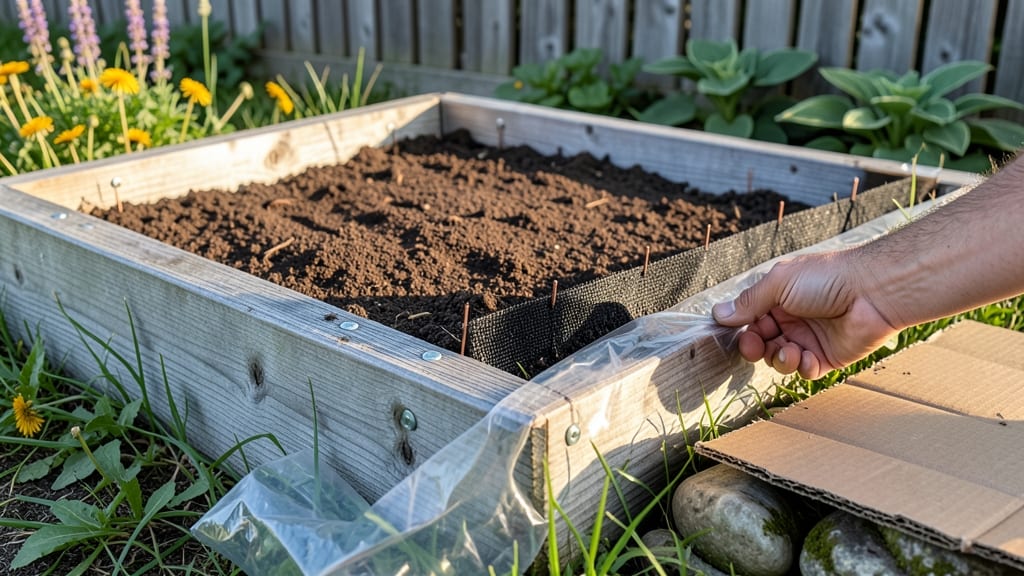
Lining your raised garden bed with plastic may suppress weeds and prevent soil erosion, but it can also trap moisture, limit root growth, and degrade soil quality over time by preventing natural organic matter breakdown.
Deciding whether to line your raised garden bed with plastic depends on balancing short-term convenience with long-term soil health.
While plastic creates a barrier that blocks weeds and stabilizes soil, it also creates a sealed environment that can lead to waterlogging and reduced aeration. 🌱 Over time, this can weaken root systems and alter the natural microbial balance in your soil.
For many gardeners, natural alternatives like thick cardboard or landscape fabric offer similar weed suppression without the long-term drawbacks.
If you do choose plastic, consider using it only as a temporary solution—especially for beds with poor-quality soil. For most organic gardeners, investing in a biodegradable liner or simply layering cardboard and mulch provides a more sustainable approach. The key is weighing your priorities: convenience now versus soil vitality later.
💡 In This Article
- How Plastic Affects Raised Bed Soil Health
- Best Natural Alternatives for Raised Garden Bed Lining
How plastic affects raised bed soil health
Plastic liners create an artificial barrier that dramatically alters your raised bed's natural ecosystem. The impermeable surface prevents water from seeping through, causing moisture to pool near the roots. This trapped water limits oxygen flow, creating anaerobic conditions where beneficial microbes struggle to thrive.
Over time, this can lead to root rot in plants that prefer well-drained soil like tomatoes or peppers, which need oxygen levels above 10% for healthy development.
The biggest concern is how this affects organic matter decomposition. In natural soil, aerobic bacteria and fungi break down compost and plant residues, releasing nutrients. But plastic traps moisture and heat, slowing this process by up to 40%. The result?
Nutrient buildup occurs unevenly, and your soil may develop a sour, anaerobic smell over time—similar to what happens in poorly drained clay soils. 🌱 This isn't just about aesthetics; it directly impacts plant growth by limiting nitrogen availability, which is crucial for leafy greens and fruiting plants.
For weed suppression, plastic works immediately by blocking light from reaching seeds. However, this comes at a cost: weeds that do emerge often have longer, thinner roots trying to penetrate the barrier, making them more vulnerable to disturbance.
The trade-off becomes clear when comparing plastic to natural mulch, which suppresses weeds while simultaneously improving soil structure through decomposition. Most gardeners notice the weed suppression benefits within 2-4 weeks of installation, but the soil health decline becomes apparent after 1-2 growing seasons.
Another critical factor is temperature regulation. Plastic acts like a greenhouse, raising soil temperatures by 5-10°F during summer months. While this can extend growing seasons in cooler climates, it also creates stress for heat-sensitive plants like lettuce or spinach.
The temperature extremes also accelerate plastic degradation, causing it to become brittle and potentially toxic to your plants after 3-5 years of use. This degradation releases microplastics into the soil, which recent studies show can persist for decades.
Consider this scenario: A raised bed lined with plastic may produce excellent tomatoes in the first year due to perfect weed control and moisture retention.
But by year three, you might notice stunted growth in your peppers and carrots—this is your soil's way of signaling the anaerobic conditions and nutrient imbalances developing below. The plastic has essentially created a "false bottom" that prevents your bed from becoming richer over time through natural compost integration.
For those concerned about soil health, the key is understanding that plastic creates a closed system. Unlike natural materials that integrate with the soil, plastic maintains a rigid separation between your planting medium and the ground below.
This means any nutrients leaching through your soil have nowhere to go, creating potential runoff risks when you eventually remove the plastic. The environmental impact extends beyond your garden, as discarded plastic liners contribute to landfill waste and microplastic pollution.