
Tools
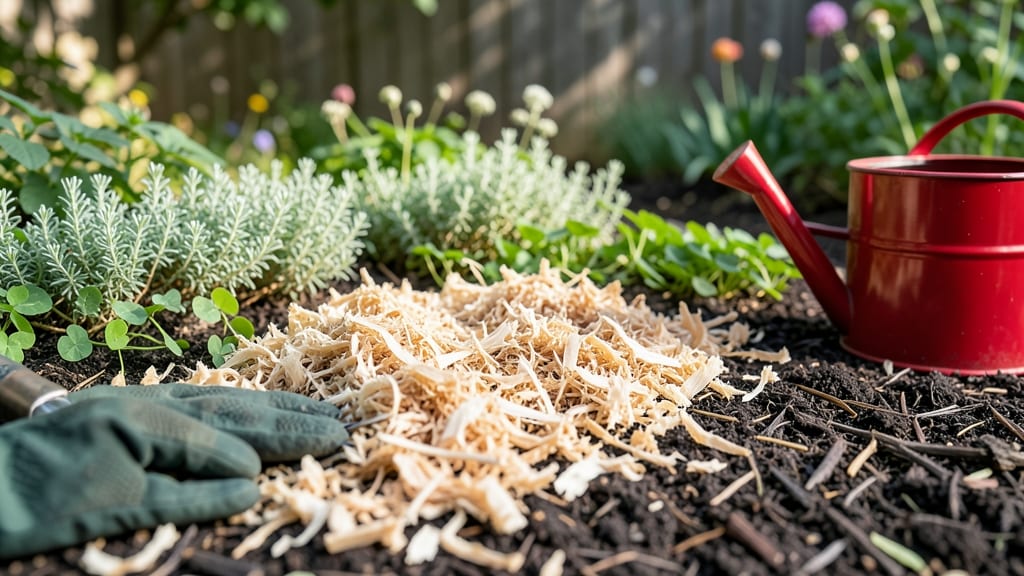
Shredded newspaper in the garden blocks sunlight to kill weeds, locks in soil moisture, and breaks down to add organic matter while feeding beneficial microbes. Just ensure it's printed with soy-based ink for safety.
This eco-friendly mulch works by creating a physical barrier that suffocates weeds while its thick layers trap moisture near plant roots. 🌱 The decomposition process releases nitrogen and carbon, improving soil structure over time—ideal for vegetable gardens and flower beds.
Unlike plastic mulches, newspaper mulch is fully biodegradable and won't harm plants when properly layered (about 3-4 sheets thick).
For best results, apply shredded newspaper after planting when soil is moist, keeping it away from plant stems to prevent rot. Refresh the layer every 4-6 weeks or when it starts breaking down, especially during hot, dry periods when moisture retention matters most.
💡 In This Article
- How Shredded Newspaper Works as Mulch
- Best Practices for Applying Newspaper Mulch
How shredded newspaper works as mulch
The magic of shredded newspaper as mulch starts with its ability to block sunlight—a process called allelopathy—which prevents weed seeds from germinating. When laid in layers of 3-4 sheets thick, the paper creates a dense barrier that cuts off 90-95% of light reaching the soil surface.
This suffocates existing weeds by starving them of photosynthesis energy, while blocking new seeds from sprouting. The key here is thickness: thinner layers (1-2 sheets) let light seep through, allowing weeds to grow right through the gaps. 🔥
Moisture retention happens through capillary action, where the paper fibers absorb and hold water near the soil surface. A single layer of shredded newspaper can reduce water evaporation by up to 40% compared to bare soil, which is especially valuable in hot climates or during droughts.
The paper’s fibrous texture acts like a sponge, releasing water slowly to plant roots while preventing surface runoff. This is why gardeners in arid regions swear by newspaper mulch—it keeps soil consistently moist without overwatering.
The decomposition process transforms the paper into a nutrient powerhouse. Newspaper is made of 40-50% cellulose, which breaks down into humus over 2-6 months, depending on climate. Microbes in the soil digest the paper, releasing nitrogen (essential for leafy growth) and carbon (which improves soil structure).
Unlike synthetic mulches, this process enriches the soil naturally, making it perfect for organic gardens. The breakdown rate speeds up in warm, humid conditions but slows in cold climates.
Placement matters just as much as thickness. Always apply shredded newspaper 2-3 inches away from plant stems to prevent rot and pest issues. For annuals and vegetables, lay it directly over the soil after planting.
For perennials or shrubs, create a 2-inch gap around the base to avoid smothering the crown. The paper should be damp (not soggy) before applying—this helps it stick together and settle properly. 🌱
One often-overlooked benefit is pest control. The dense layer discourages slugs and snails (who prefer loose soil) and deters ants from reaching plants. However, avoid using glossy or colored pages—they may contain toxic inks.
Stick to black-and-white sections printed with soy-based ink, which is safe for composting and soil contact. Always check the ink type first!
For maximum effectiveness, combine newspaper mulch with a 1-inch layer of compost on top. This adds extra nutrients while keeping the paper in place during rain. The compost also helps regulate temperature swings, protecting plant roots from extreme heat or cold.
Over time, this combo creates a self-sustaining garden ecosystem that reduces waste and boosts plant health.