
Tools
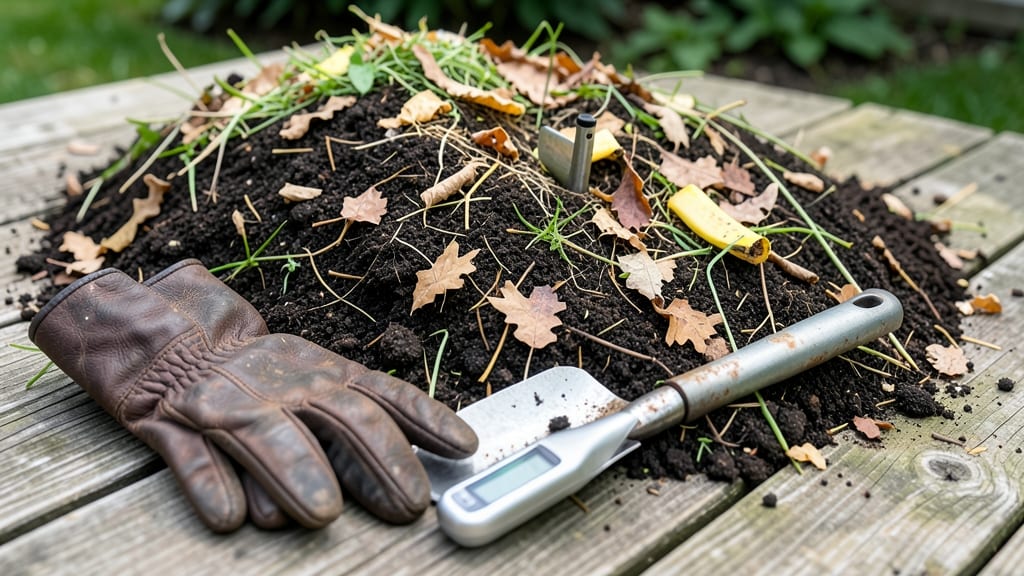
Using shredded paper in the garden improves soil fertility by breaking down into organic matter, suppresses weeds by blocking sunlight, and retains moisture while deterring pests naturally without chemicals. Always use uncoated, non-glossy paper for best results.
Shredded paper acts like a natural mulch that works quietly in the background—it doesn't just cover the soil, it actively transforms it. 🌱 When you spread it around plants, the paper slowly decomposes, feeding beneficial microbes and improving soil structure over time.
Unlike straw or wood chips, it doesn't attract pests or decompose too quickly, making it a low-maintenance solution for long-term garden health.
What I love about this method is how versatile it is—you can use it in flower beds, vegetable gardens, or even around shrubs. The key is layering it properly: about 2-3 inches thick works best, and combining it with compost creates the perfect balance between weed suppression and soil enrichment.
Plus, it's completely chemical-free, which is a win for anyone looking for organic gardening solutions.
💡 In This Article
- How Shredded Paper Enriches Soil and Blocks Weeds
- Best Types of Paper and Application Tips for Gardens
How shredded paper enriches soil and blocks weeds
The magic of shredded paper in gardens starts with its decomposition process. Unlike synthetic mulches, paper breaks down through microbial activity, feeding soil organisms that convert cellulose into humus—a rich, spongy organic matter. The carbon-to-nitrogen ratio in paper (around 100:1) means it decomposes slowly, providing long-term benefits.
This contrasts with straw (which decomposes in 3-6 months) or wood chips (which can take 1-2 years), making paper a balanced, low-maintenance option.
Weed suppression works through light deprivation. When you apply a 2-3 inch layer of shredded paper, it blocks 90-95% of sunlight from reaching weed seeds, preventing germination. The dense mat also disrupts weed growth by creating a physical barrier—unlike straw, which can leave gaps.
Studies show paper mulch reduces weeds by 70-80% compared to bare soil, while maintaining soil moisture 15-20% longer than traditional mulches.
The moisture retention comes from how paper forms a protective layer. It reduces evaporation by 30-40% compared to no mulch, keeping roots consistently hydrated. Unlike plastic mulches that trap heat, paper allows gradual water penetration while preventing soil compaction.
This makes it ideal for drought-prone areas or gardens with sandy soil that drains too quickly. The texture—soft yet dense—also creates microhabitats for beneficial insects like ground beetles, which prey on garden pests.
What most gardeners overlook is the pH impact. As paper decomposes, it slightly acidifies the soil (pH drops by 0.5-1.0 units over a year), which benefits acid-loving plants like blueberries or azaleas.
For alkaline soils, mix in 1-2 inches of compost per square yard to balance the pH while accelerating decomposition. The paper's slow breakdown also prevents nutrient spikes that can burn plant roots, unlike fresh grass clippings which decompose too quickly.
For best results, combine paper with compost in a 3:1 ratio—paper provides structure while compost adds nitrogen to speed decomposition. This combo creates a "living mulch" that improves soil tilth over time.
The visual difference is striking: instead of bare soil or patchy mulch, you get a uniform, weed-free surface that looks like a natural carpet. 🌿
One common mistake is using glossy or coated paper, which contains plastics that don't decompose. Always choose uncoated, unbleached paper (like newspaper or office paper) to avoid chemical residues.
The decomposition timeline varies by paper type: newspaper breaks down in 6-12 months, while egg cartons or cardboard may take 1-2 years—so adjust layer thickness accordingly.