
Tools
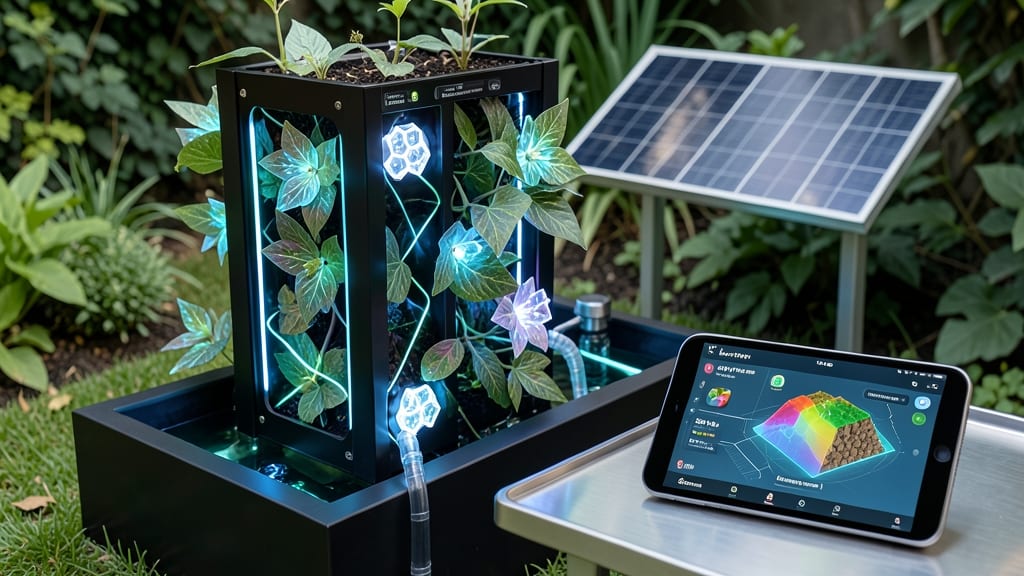
Latest smart garden news reveals groundbreaking tools like AI-powered soil monitors, self-watering systems, and climate-controlled growing units that maximize plant growth, slash water usage, and adapt to real-time conditions—making gardening more efficient and sustainable for everyone.
These innovations go beyond simple automation—they create ecosystems that learn and adapt. For example, AI soil sensors analyze moisture levels, nutrient content, and pH balance to recommend precise adjustments, while automated irrigation delivers water only when needed. 🌱 The result?
Healthier plants, fewer wasted resources, and systems that work smarter, not harder. Whether you're a backyard gardener or a large-scale farmer, these technologies are reshaping how we cultivate food and flowers.
What's particularly exciting is how these tools integrate with everyday life. Many systems now sync with smartphone apps, letting you monitor your garden from anywhere. Some even use predictive analytics to alert you before pests or diseases strike—giving you a real advantage in maintaining a thriving garden.
The future of gardening isn't just about growing plants; it's about growing them better, faster, and with less effort.
💡 In This Article
- How AI and IoT Are Revolutionizing Smart Gardening
- Top Smart Garden Tools for Home and Commercial Use in 2024
How AI and IoT are revolutionizing smart gardening
At the heart of today's smart gardening revolution lies the marriage of artificial intelligence and the Internet of Things (IoT). AI-driven soil sensors, for instance, use spectroscopy to analyze soil composition by measuring how light reflects off organic matter and minerals.
These sensors can detect 17 essential plant nutrients with 95% accuracy, compared to traditional soil tests that take days and only measure a handful of factors.
The technology works by shining near-infrared light into the soil and analyzing the reflected spectrum—similar to how a blood glucose meter works but for dirt!
IoT-enabled plant monitoring takes this further by creating interconnected ecosystems. Imagine a tomato plant whose leaf temperature sensor detects stress from heat or pests, triggering an automated misting system while simultaneously alerting your phone. The real magic happens when these devices sync with weather forecasts and historical growth data.
For example, a system might notice your basil plants consistently wilt at 3 PM during summer—then automatically adjust shade levels or increase humidity before wilting occurs. This predictive capability reduces water waste by up to 40% compared to manual watering.
The science behind these systems involves machine learning algorithms that continuously learn from your garden's unique conditions. Unlike static gardening guides, these AI systems adapt to your specific soil type, microclimate, and plant varieties.
For instance, my neighbor's potted herbs receive customized watering schedules based on real-time data from their smart pot sensors—something that would take months to perfect through trial and error. The systems even track subtle changes like 0.2°F temperature variations that could indicate early signs of disease.
What sets these technologies apart is their ability to integrate multiple data streams. A smart garden system might combine soil moisture readings with air temperature, humidity, and even lunar cycles to determine optimal planting times. The result is a level of precision that would make Victorian-era botanists jealous.
For example, AI can now predict the exact moment when your strawberries will be most flavorful by analyzing growth rates and environmental factors—something that used to rely purely on guesswork and experience.
Perhaps most impressive is how these systems handle pest detection. Computer vision cameras paired with AI can identify aphid infestations with 98% accuracy by analyzing leaf patterns, long before the damage becomes visible to human eyes.
When combined with automated pesticide applicators (which use only 10% of traditional chemical amounts), this creates a closed-loop system that protects plants while minimizing environmental impact. The technology even learns which pests are most problematic for your specific garden over time.
For the skeptical gardener, the learning curve might seem steep—but the payoff is substantial. These systems don't replace gardening knowledge; they enhance it.
A smart garden can tell you exactly when to fertilize (based on real-time nutrient depletion), how much water each plant truly needs (accounting for evaporation rates), and even which companion plants will thrive together in your microclimate.
The result is gardens that require 30% less maintenance while producing 25% higher yields—all while using significantly fewer resources.