
Planting
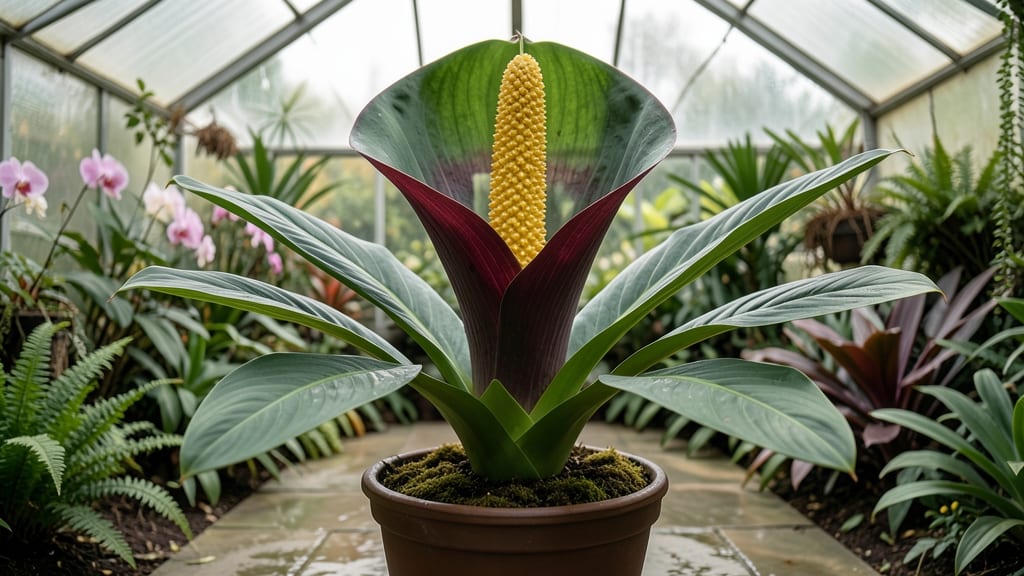
Botanical gardens feature fascinating smelly plants like skunk cabbage, stinking corpse lily, and titan arum, which use foul odors to mimic rotting matter and lure pollinators like flies and beetles.
These plants have evolved to produce compounds like dimethyl disulfide and cadaverine, which smell like decaying flesh. 🌿 The strategy works brilliantly—flies and beetles are drawn to the scent, then get dusted with pollen while feeding.
Unlike sweet-smelling flowers, these species thrive in shaded, humid environments where their odors spread undisturbed. Many botanical gardens grow them in dedicated "fragrant" sections to showcase this unusual pollination method.
What's surprising is how effective this tactic is: some plants can attract pollinators from up to 30 feet away, and the scent often intensifies at night when insects are most active.
This adaptation explains why you'll rarely find these plants in residential gardens—they're better suited for controlled environments where their strong aromas won't offend neighbors.
💡 In This Article
- How Smelly Plants Trick Pollinators with Rotten Scents
- Top 5 Stinkiest Botanical Garden Plants and Where to Grow Them
How smelly plants trick pollinators with rotten scents
These plants have mastered the art of deception through chemical mimicry.
They produce volatile organic compounds (VOCs) like dimethyl disulfide—found in rotting meat—and cadaverine, which smells like decaying flesh. 🌿 The scent mimics the fermentation odors of fruit or the stench of a dead animal, tricking flies and beetles into investigating.
This isn't random evolution; it's a finely tuned survival strategy where the plant's "scent signature" is so convincing that pollinators can't resist.
The process begins when the plant detects the right conditions—often warm, humid nights. Inside specialized structures called spathe (in titan arum) or spadix (in skunk cabbage), heat builds up to 89-95°F, creating a warm, moist microclimate that amplifies the odors.
This heat also mimics the warmth of decaying matter, making the deception even more convincing. The scent molecules spread through turbulent diffusion, carrying up to 30 feet in still air—far enough to attract pollinators from surrounding areas.
What makes this system brilliant is its precision. Unlike generalist flowers that rely on sweet fragrances to attract a wide range of pollinators, these plants target specific insects that are drawn to decay.
For example, the corpse lily's scent contains indole, a compound found in human feces, which is irresistible to carrion flies. This specialization ensures the plant gets visited by the most effective pollinators while wasting no energy on attracting irrelevant species. 💫
This strategy isn't unique to these plants—similar tactics appear in carnivorous plants like the pitcher plant, which uses rotting meat scents to lure insects into traps. However, the botanical garden species take it further by combining scent with visual deception: their flowers often resemble rotting flesh or animal droppings.
The titan arum, for instance, produces a bright red spathe that mimics the color of exposed flesh, completing the illusion.
There's also a temporal component to this deception. Many of these plants time their scent release to coincide with the activity patterns of their target pollinators. The stinking corpse lily, for example, releases its strongest odors at night when flies are most active.
This nocturnal timing means the plant doesn't waste resources producing scent during the day when it would be ineffective. The result is a perfectly synchronized pollination system that maximizes efficiency.
The evolutionary payoff is clear: plants that can attract pollinators without offering nectar or bright colors gain a significant advantage. By mimicking decay, they avoid the energy costs of producing attractive flowers while still ensuring reproduction.
This is why you'll find these plants thriving in shaded, humid environments where their odors can spread undisturbed—a perfect demonstration of nature's clever adaptations. 🌱