
Tools
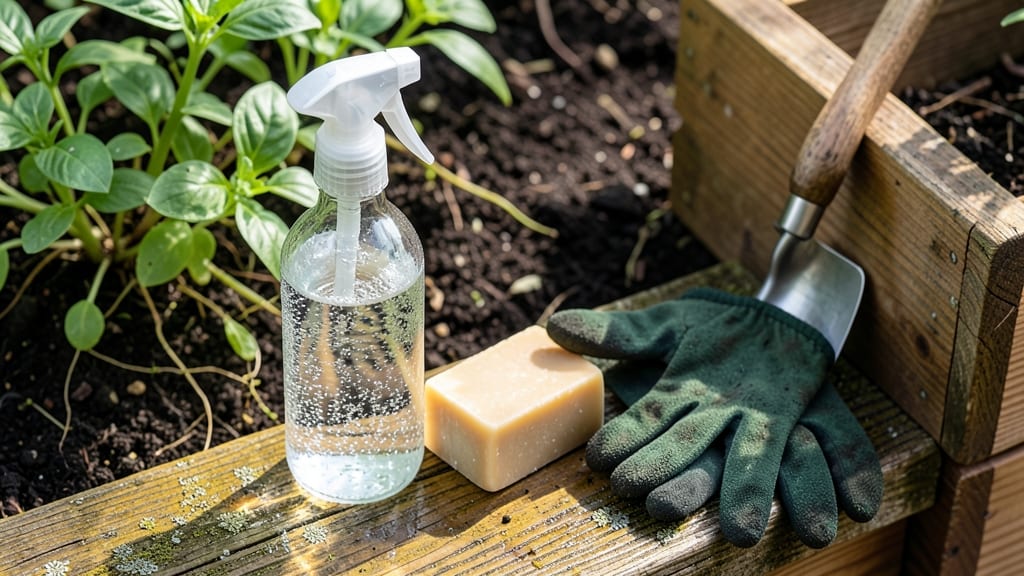
Soap in the garden can harm plants by stripping natural oils, disrupting soil microbes, and causing leaf damage, especially with harsh detergents or high concentrations. Opt for mild, plant-safe alternatives like Castile soap or diluted dish soap for pest control instead.
Most gardeners don't realize how quickly soap can turn from helpful cleaner to plant enemy.
The surfactants in traditional soaps break down the protective waxy coating on leaves, leaving plants vulnerable to pests and disease. 🌱 Even "mild" soaps can alter soil chemistry, reducing beneficial microbial populations that help roots absorb nutrients.
I've seen cases where overzealous gardeners used soap sprays to control aphids—only to watch their plants develop brown, crispy edges within days.
For effective pest control without the damage, turn to plant-safe alternatives like neem oil blends or insecticidal soaps specifically formulated for gardens. These options target pests while preserving your plants' natural defenses.
The key is always dilution—never use full-strength soap, even "natural" varieties, as even gentle formulations can cause harm when concentrated.
💡 In This Article
- How Soap Damages Plants and Soil Chemistry
- Best Natural Soap Alternatives for Garden Pest Control
How soap damages plants and soil chemistry
Soap works by breaking down oils and grease through surfactants—molecules that disrupt hydrophobic (water-repelling) barriers. In plants, these surfactants attack the cuticle layer, a waxy protective coating on leaves and stems that prevents water loss and blocks pathogens.
When soap penetrates this layer, it creates tiny pores that allow excess moisture to escape, causing leaves to wilt and develop brown, papery edges within 24-48 hours. 🌿 The damage is most severe with synthetic detergents, which contain harsh chemicals like sodium lauryl sulfate (SLS) that can linger in soil for weeks.
Below-ground, soap disrupts the delicate balance of soil microbes that decompose organic matter and fix nitrogen. A single application of dish soap at 1% concentration can reduce beneficial bacteria populations by up to 60% while increasing harmful fungi like Pythium, which causes root rot.
The pH shift from soap residue also creates an acidic environment (pH <6) that inhibits mycorrhizal fungi—critical partners that help plants absorb phosphorus. Even "natural" soaps with plant-based ingredients can alter soil structure by binding to organic matter, reducing its ability to retain moisture.
Not all soaps are equally damaging. Anionic surfactants (found in most dish soaps) are particularly aggressive, while cationic surfactants (used in some insecticidal soaps) target pests more selectively.
The key difference lies in molecular charge: anionic surfactants disrupt cell membranes indiscriminately, while cationic ones bind to insect exoskeletons without harming plant cells. This is why gardeners often see better results with insecticidal soap (typically 0.5-1% concentration) than with household cleaners, even when diluted.
Visual damage often appears as necrotic spots—dead tissue that looks like sunburn—along leaf edges or between veins. In severe cases, young plants may exhibit stunted growth due to impaired nutrient uptake.
The damage occurs fastest in broadleaf plants (like tomatoes or peppers) because their larger surface area absorbs more soap residue. Compare this to grasses or conifers, which have thicker cuticles and show fewer symptoms from the same treatment. 🌱
Soil chemistry changes are equally insidious. Soap residue binds to clay particles, reducing their ability to hold water and nutrients. Over time, this creates a hydrophobic layer that repels water—exactly what you don't want during drought conditions.
The process is similar to how oil spills prevent water absorption in contaminated beaches, but on a microscopic scale. Even after rinsing, soap molecules can remain trapped in soil pores for months, continuing to disrupt microbial activity.
What most gardeners overlook is the cumulative effect. A single application might seem harmless, but repeated use—even with diluted solutions—builds up in the soil.
Studies show that after three applications of diluted dish soap, soil microbial diversity can drop by 40%, with lasting effects on plant health for up to a growing season. The damage isn't always immediate; it accumulates silently, making plants more susceptible to stress from heat, drought, or disease.