
How To
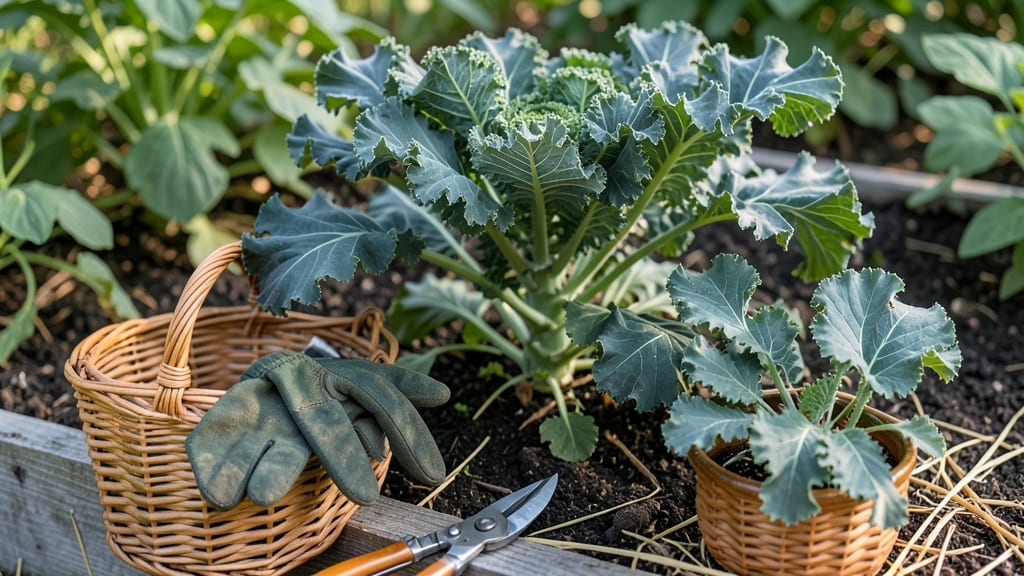
To pick kale from your garden the right way means harvesting leaves without killing the plant—something that trips up even experienced gardeners.
That crisp, vibrant 🥬 you crave in salads or stir-fries starts with knowing when and how to snip. Get it wrong, and you’re left with stunted growth or bitter, tough leaves. But master the leaf-by-leaf method, and you’ll enjoy a steady supply all season long.
Timing is everything: wait until leaves reach 6 inches or more, with deep color and sturdy stems. Cut from the outer edges first, leaving the inner leaves to keep growing—this is the secret to a plant that keeps giving.
In this guide, I’ll walk you through the exact techniques to harvest kale without stressing the plant, plus how to spot mistakes that stall regrowth. Ready to turn your garden into a never-ending supply?

When and how to harvest kale leaves for continuous growth
Harvesting kale the right way transforms your garden from a one-time harvest to a year-round leafy green factory. The key? Timing, technique, and respecting your plant’s regrowth signals. Unlike other greens, kale rewards patience—when you pick leaves correctly, the plant responds by producing new, tender growth from the center.
I’ve learned that outer leaves first is the golden rule, but there’s more to it than that.
Start harvesting when your kale plants reach 6-12 inches tall and have 4-6 mature leaves. This usually happens 60-75 days after planting, depending on your variety and climate. The best time to harvest is on a cool, dry morning when leaves are crisp.
If you wait until the plant bolts (sends up a flower stalk), the leaves turn bitter and tough—a gardener’s worst nightmare. In my zone 6a, I time my harvests to avoid this by picking before late spring or after the first frost in fall.
How to Pick Kale From Garden: Step-by-Step
- 1 Choose the right leaves: Select outer leaves first—they’re fully mature and won’t stunt the plant’s growth. Avoid picking from the center where new leaves form.
- 2 Use sharp scissors or pruners: Never tear leaves—this damages the plant. Cut leaves 1-2 inches from the stem at a 45-degree angle to prevent water from pooling.
- 3 Harvest every 2-3 weeks: Kale regrows quickly if given time. Space harvests to allow new leaves to develop—this keeps your plant productive for months.
- 4 Avoid over-harvesting: Never take more than 1/3 of the plant at once. This ensures the center remains intact for regrowth and prevents stress.
- 5 Time harvests for flavor: Leaves picked after a light frost (like in fall) sweeten naturally. In summer, harvest in early morning to avoid bitter, wilted leaves.
After frost, kale actually improves in flavor—a fact I’ve tested every fall. The cold triggers natural sugars to convert starches into sweeter compounds. In my garden, I let a light frost kiss the leaves before harvesting, then bring them inside to thaw.
This trick works especially well for Red Russian and Lacinato varieties, which develop deeper colors and richer tastes after frost.
One mistake I made early on was cutting into the center stem while harvesting. This severs the plant’s growth point and can kill it. Instead, focus on the outer leaves, which are fully mature and ready to eat.
The plant will continue producing new leaves from the center, creating a continuous harvest cycle that can last until winter. I’ve had kale plants keep producing for 6-8 months with proper care!
For year-round harvesting, plant kale in both spring and fall. Spring plantings thrive in cooler weather, while fall plantings benefit from afternoon shade to prevent bolting. In my experience, fall-planted kale often outlasts spring varieties, especially if protected by row covers during early frosts.
This dual-planting strategy ensures a steady supply of fresh leaves from late spring to early winter.
Clean tools are a non-negotiable for healthy regrowth. Before harvesting, I sterilize my pruners with rubbing alcohol to prevent disease transmission. Diseased leaves can spread pathogens to the rest of the plant, so always remove any yellow or wilted leaves immediately.
If you notice pests like aphids, treat the plant with neem oil before harvesting to avoid contaminating your leaves.
Kale’s regrowth speed depends on your climate and care routine. In ideal conditions (cool temps, 6+ hours of sun, and consistent moisture), you can expect new leaves to emerge within 2-3 weeks of harvesting.
To speed up regrowth, I fertilize lightly with a balanced 10-10-10 mix after each harvest. This gives the plant the nutrients it needs to bounce back quickly without overstimulating tender new growth.
If your kale starts to bolt (send up a flower stalk), it’s time to harvest the entire plant before the leaves turn bitter. Bolting usually happens when days get longer in spring or when the plant experiences heat stress.
To delay bolting, I use shade cloth in summer and choose bolting-resistant varieties
Kale leaf harvesting mistakes that kill your plant’s regrowth
Even the most patient gardeners can accidentally stunt their kale’s growth by harvesting the wrong way. One of the biggest mistakes is removing too many leaves at once, which leaves the plant vulnerable to stress and disease.
Kale relies on its inner leaves for energy to produce new growth, so stripping the plant bare forces it to divert resources just to survive—rather than thrive.
Another common error is cutting into the center stem or harvesting immature leaves. Young leaves are tender but lack the nutrients to support regrowth, and damaging the stem can kill the entire plant.
Seasonal timing also plays a crucial role—harvesting too early in spring or too late in fall can expose kale to extreme temperatures, weakening its resilience.
⚠️ 3 Harvesting Mistakes That Stunt Kale Regrowth
1. Over-harvesting: Never take more than 1/3 of the plant in a single session. This leaves enough foliage to photosynthesize and fuel new growth.
2. Wrong leaf removal: Always harvest outer leaves first. Inner leaves are the plant’s growth engine—damaging them severs its ability to regenerate.
3. Improper timing: Avoid harvesting during heatwaves or frost. Stress from extreme temps weakens the plant, making it harder to bounce back.
Timing your harvests around the seasonal growth cycle is key. In spring, wait until leaves reach 6–8 inches and are deep green before cutting. In fall, a light frost actually sweetens the flavor, so harvest just before the first hard freeze.
If you’re growing kale year-round in mild climates, space harvests 2–3 weeks apart to avoid exhausting the plant.
Using dull or dirty tools is another silent killer of regrowth. Bacteria and jagged cuts create entry points for pests and disease. Always sanitize your pruners with rubbing alcohol between harvests, and make clean cuts at a 45-degree angle just above a leaf node.
This encourages faster healing and minimizes stress on the plant.
Finally, neglecting post-harvest care can undo all your hard work. After cutting, water deeply to replenish moisture lost during the process, and apply a light layer of compost around the base. This replenishes nutrients and signals the plant to focus on regrowth rather than survival.
By avoiding these mistakes, your kale will reward you with continuous harvests for months, even in cooler weather. The secret? Treat every harvest like a conversation—take only what you need, and the plant will keep talking back with fresh, flavorful leaves. 🌱