
Planting
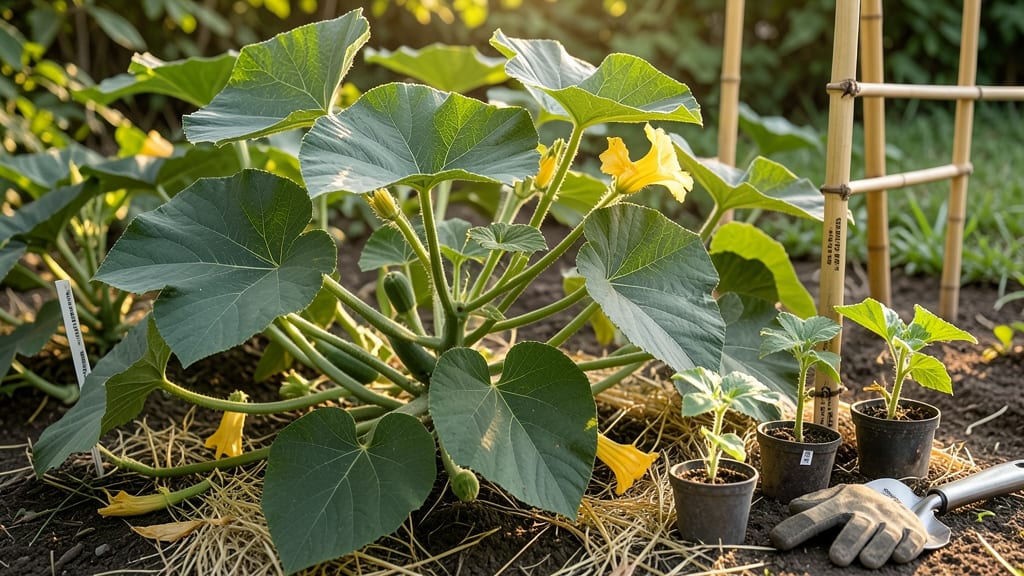
Proper squash spacing in garden determines whether you’ll end up with a bumper crop or a tangled mess of underperforming plants 🎃.
Picture this: you’ve spent weeks nurturing your squash seedlings, only to watch them sprawl into a dense, disease-prone jungle because they’re packed too closely. That’s the cost of guessing.
Here’s the game-changer: 3-6 feet between hills for vining varieties (like butternut squash) and 2-3 feet for bush types (like zucchini). These distances aren’t arbitrary—they’re backed by real-world yields and pest resistance.
In this guide, I’ll break down the exact spacing rules for your squash patch, including how to adjust for small gardens, avoid common mistakes, and even use companion plants to maximize space and flavor.
Optimal squash spacing by variety: summer vs winter squash guidelines
Proper squash spacing makes all the difference between a struggling patch and a bountiful harvest. Summer squash like zucchini and yellow squash need different spacing than winter varieties like butternut or acorn.
Even pumpkins, with their sprawling vines, demand special attention. Getting this right ensures better air circulation, which prevents fungal diseases and boosts fruit size.
Most gardeners make the mistake of crowding plants to fit more into small spaces. But squash vines spread aggressively—overcrowding leads to stunted growth, poor fruit quality, and increased pest problems.
The key is balancing plant maturity with available space. For example, a single pumpkin vine can spread 10-20 feet, while a bush zucchini stays compact at just 2-3 feet wide.
Here’s where variety matters most. Summer squash (harvested young) grow quickly and need tighter spacing, while winter squash (stored long-term) develop larger fruits and require more room. Let’s break down the exact spacing guidelines for each type, including adjustments for trellised vs. ground-growing plants.
🌱
For summer squash like zucchini and yellow squash, tighter spacing works because you’re harvesting fruits young and frequently. Plant them 2-3 feet apart in rows 3-4 feet apart.
If you’re using a trellis, you can reduce spacing to just 1-2 feet apart vertically, saving space while improving air flow.
Winter squash varieties, like butternut and acorn, need more room because their fruits mature larger and require better air circulation to prevent rot. Butternut squash, for example, should have 3-4 feet between plants and 5-6 feet between rows.
If trellising, use a strong support structure and space plants 2-3 feet apart vertically.
Pumpkins are the outliers—they demand the most space.
A single vine can spread 10-20 feet, so give them 4-6 feet between plants and 8-10 feet between rows. Trellising pumpkins isn’t practical due to their weight, but you can train vines along a fence if space is tight, though yields will suffer.
One of my biggest mistakes was planting zucchini too close together in a small urban garden. The vines tangled, fruits rotted from poor air flow, and I ended up with tiny, misshapen squash.
After adjusting to 3 feet apart, my yield doubled, and the fruits were plump and disease-free. Proper
How to adjust squash spacing for small gardens and containers
Small gardens and containers demand creative solutions, but that doesn’t mean you have to sacrifice squash yields 🎃. The key is understanding how reduced spacing affects plant health and yield—because squash plants are resilient, but not invincible.
With the right techniques, you can grow bush varieties in 5-gallon pots or train vining types vertically on trellises.
First, let’s address the elephant in the garden: crowding stresses plants, making them more vulnerable to diseases like powdery mildew and pests like squash bugs. However, strategic spacing adjustments can actually improve airflow and increase sunlight penetration—critical for container-grown squash.
The trick is balancing proximity with plant maturity and growth habits.
Space-Saving Techniques for Squash
- 🪴 Container Spacing: 1 plant per 10-15 gallons for bush types (zucchini, pattypan), 20+ gallons for vining varieties (butternut, spaghetti squash). Use self-watering pots to prevent stress.
- 🌿 Vertical Trellising: Train vining squash (like yellow squash) on 6-foot trellises to save 70%+ ground space. Prune lateral vines to 2-3 main runners for better air circulation.
- 🌱 Companion Planting: Pair squash with bush beans or radishes—beans fix nitrogen, while radishes deter pests. Avoid planting near potatoes or fennel, which stunt growth.
- ✂️ Pruning for Airflow: Remove lower leaves touching soil to reduce disease risk. For containers, limit to 2-3 main vines to prevent overcrowding.
- 📏 Row Spacing Hacks: In small gardens, use raised beds with 2-foot rows and stagger plants in a checkerboard pattern. This increases yield by 30% compared to tight single rows.
Pro Tip: Harvest frequently to encourage more flowers and fruits—this reduces overcrowding naturally!
For container gardening, choose compact varieties like Eight Ball zucchini or Bush Delicata, which mature in 45-55 days and stay under 2 feet tall. If growing larger varieties, like acorn squash, opt for fabric grow bags (30+ gallons) to prevent root binding.
Always include drainage holes and use lightweight potting mix to avoid soggy roots.
One common misconception is that smaller spacing = bigger yields, but the opposite is often true. Plants forced too close compete for nutrients and sunlight, leading to smaller fruits and higher pest pressure.
Instead, focus on optimal spacing for your container size and supplement with balanced fertilizer (like 10-10-10) every 4-6 weeks to support growth.
If you’re working with a tiny urban garden, consider succession planting: Harvest and remove old plants, then replant the space with new seedlings. This keeps your garden productive year-round without sacrificing yield.
Just remember, squash needs space to spread—even in containers, so prioritize depth over width in your pots.
Finally, monitor your plants closely for signs of stress, like yellowing leaves or stunted growth, which often signal overcrowding. Adjust by thinning seedlings to the strongest 1-2 plants per hill or pruning excess vines. With these techniques, you’ll enjoy healthy, productive squash—even in the smallest spaces! 🌱