
Vegetables
Stan Hywet Hall and Gardens offers a breathtaking blend of 19th-century French Renaissance architecture and meticulously curated gardens, featuring grand formal parterres, a fragrant rose garden, and tranquil woodland paths. Spread across 35 acres, this estate showcases seasonal floral displays, rare plant collections, and garden designs inspired by European nobility's most iconic landscapes.
This historic estate in Akron, Ohio, was designed by Frederick G. Coulter to reflect European aristocratic gardens, blending structured French formal gardens with English romantic landscapes. 🌿 The property's layout includes grand terraces, hidden groves, and themed gardens that change with each season—think vibrant spring tulips, summer roses, and autumn foliage.
What makes it special is how the gardens evolve: formal areas transition into natural woodlands, creating a seamless experience between manicured beauty and wild charm.
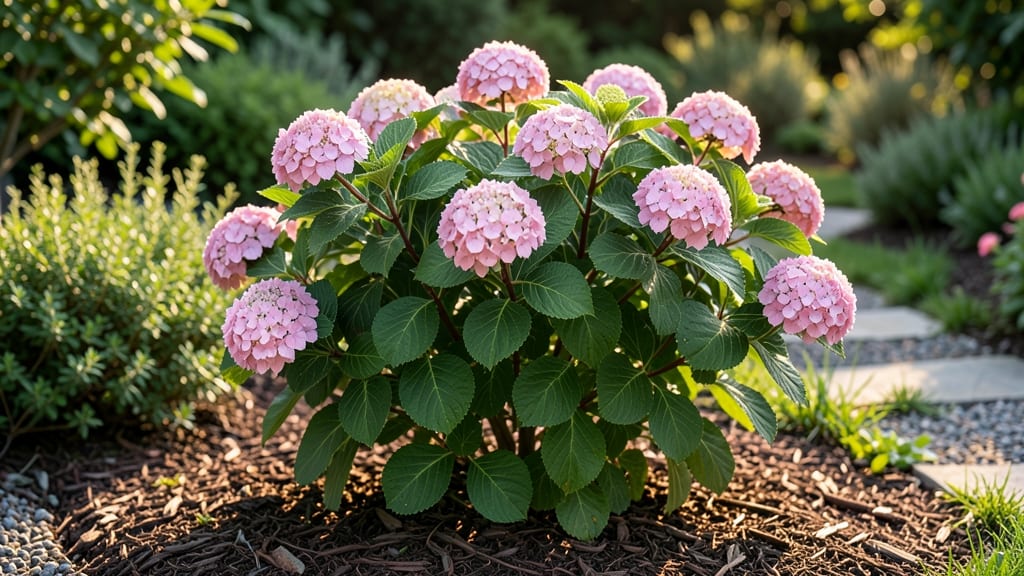
The estate's plant collections feature rare specimens like peonies and hydrangeas, carefully selected to complement the mansion's architectural grandeur. Visitors often remark how the gardens feel like stepping into a living postcard of European history, with every path offering a new perspective on the estate's meticulous design.
Whether you're admiring the symmetry of the formal gardens or wandering through the serene woodland trails, each area tells its own story of horticultural artistry.
💡 In This Article
- Design Principles Behind Stan Hywet’s Historic Garden Layouts
- Best Times and Tips for Visiting Stan Hywet’s Gardens
Design principles behind Stan Hywet’s historic garden layouts
Stan Hywet’s gardens were meticulously designed to reflect 19th-century European aristocratic tastes, blending French Renaissance symmetry with English romanticism. The estate’s creator, Frederick G. Coulter, drew inspiration from French châteaux like Versailles, where geometric patterns and axial symmetry dominated.
You’ll notice this in the grand formal parterres—rectangular flowerbeds divided by low hedges or gravel paths, creating a sense of order and grandeur. These designs often featured herbaceous perennials like lavender and boxwood, arranged in repeating patterns that would have been instantly recognizable to French gardeners of the era.
The transition from formal gardens to natural woodlands demonstrates Coulter’s mastery of landscape architecture principles. Unlike rigid French gardens, English romanticism embraced irregular shapes, winding paths, and a sense of discovery.
At Stan Hywet, this is evident in the woodland walk, where carefully placed boulders and native trees create a feeling of wilderness while remaining harmonious with the manicured areas. This duality—formal meets natural—was revolutionary for its time and remains a hallmark of the estate’s design.
The gardens also employ seasonal plant rotations, with spring bulbs like tulips giving way to summer roses and fall chrysanthemums, ensuring year-round visual interest.
One of the most fascinating aspects is the estate’s rare botanical collections, particularly its peonies and hydrangeas. These plants weren’t just chosen for beauty—they served practical purposes too.
Peonies, for example, thrive in the estate’s climate and were historically used in European gardens for their medicinal properties and long-lasting blooms. The hydrangeas, with their dramatic color variations (ranging from deep purples to soft pinks), were strategically placed to create focal points in the garden’s color palette.
Coulter’s selection process involved studying plant hardiness, bloom cycles, and how each species would interact with the estate’s microclimates, from sun-drenched terraces to shaded woodland areas.
The estate’s water features play a crucial role in the garden’s design too. The fountain at the mansion’s entrance isn’t just decorative—it’s a nod to French Renaissance gardens, where water symbolized power and abundance.
Meanwhile, the pond in the woodland area reflects English landscape traditions, creating a tranquil spot for visitors to pause and enjoy nature.
These elements work together to guide visitors through a sensory journey, where every turn offers a new experience—whether it’s the scent of jasmine climbing trellises or the sound of water cascading over stone.
What often surprises visitors is how the gardens evolve with the seasons.
In spring, the tulip displays can number in the thousands, while summer brings the rose garden to life with over 200 varieties, including heirloom roses that date back to the 1800s. The estate’s gardeners follow a strict planting calendar, ensuring each season’s stars get prime placement.
For instance, fall foliage is enhanced by planting Japanese maples near the mansion, where their vibrant leaves contrast beautifully with the building’s limestone façade. This attention to seasonal transitions is what makes Stan Hywet’s gardens feel alive and ever-changing, rather than static.
Behind the scenes, the estate’s gardeners use historically accurate techniques to maintain these layouts. For example, the boxwood hedges in the formal gardens are pruned using French formal pruning methods, where each plant is shaped into precise geometric forms.
Meanwhile, the woodland areas follow English naturalistic principles, with plants allowed to grow more freely. This dual approach ensures the gardens remain true to their historical roots while also feeling fresh and inviting to modern visitors. 🌸