
Tools
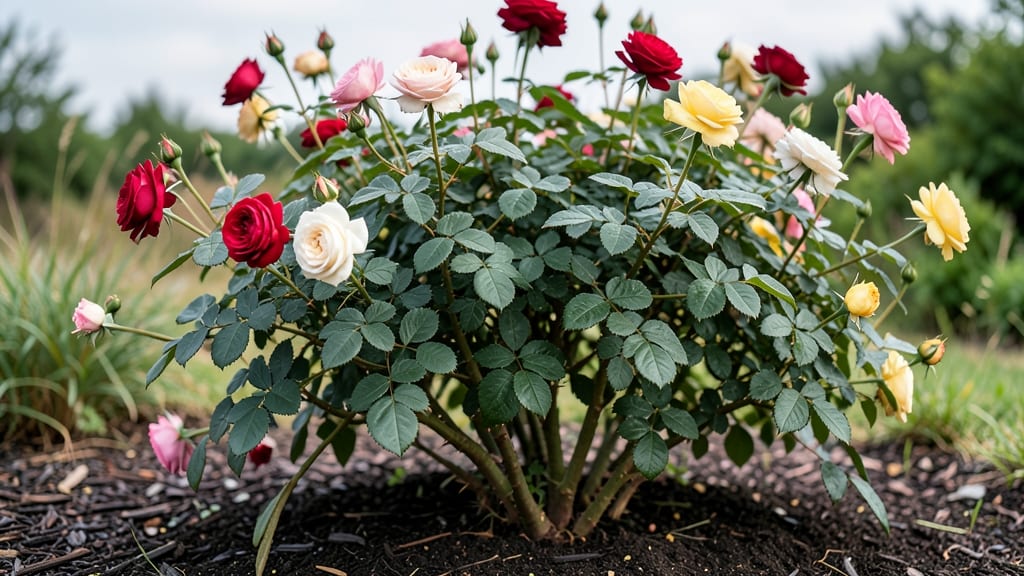
The Rose Garden at Stanley Park features over 50,000 roses across 10 acres, showcasing seasonal blooms from May to October with peak beauty in June and July. Best viewed along the winding paths near the Rose Garden Tea House, this historic garden blends classic cultivars with modern varieties in Vancouver’s most iconic green space.
The Rose Garden at Stanley Park isn't just Vancouver's largest floral display—it's a living museum of botanical diversity. 🌸 This carefully curated collection thrives thanks to Vancouver's mild coastal climate, allowing rare varieties like David Austin English roses to flourish alongside hardy hybrid teas.
The garden's layout, with its meandering paths and strategic planting beds, creates intimate viewing experiences that make every visit feel special.
What sets this garden apart is its thoughtful design that balances accessibility with discovery. The Tea House area offers the most famous views, but hidden corners like the Waterfall Garden provide serene alternatives perfect for photography.
I always recommend visiting on weekdays for fewer crowds, when you can truly appreciate the garden's architectural beauty and fragrant pathways without the summer rush.
💡 In This Article
- Stanley Park Rose Garden’s Seasonal Bloom Schedule
- Hidden Gems and Photography Spots in the Rose Garden
Stanley Park rose garden’s seasonal bloom schedule
The garden’s seasonal displays are carefully timed to take advantage of Vancouver’s mild coastal climate, where winters rarely drop below 32°F and summers stay comfortably under 75°F. This creates a 120-day bloom window from May through October, with each season showcasing different rose families.
Early spring features budding David Austin English roses, known for their layered petals and old-world fragrance, while summer peaks with hybrid teas like 'Double Delight' that burst with 5-inch blooms in vibrant pinks and reds.
The botanists behind this collection strategically plant over 100 varieties, including climate-adapted species like the Knock Out® roses that bloom continuously from June to frost. These disease-resistant hybrids thrive in Vancouver’s damp conditions, producing 3-4 inches of new growth per season.
Autumn brings rugged floribundas and climbing roses, whose deep burgundy and copper hues create stunning fall color contrasts against the park’s evergreen backdrop. The garden’s 10-acre layout ensures visitors see different varieties at different stages simultaneously.
What most people don’t realize is how the garden’s microclimates create these seasonal variations. The Tea House area, sheltered by mature trees, stays 5-8°F warmer than open sections, allowing tender varieties to bloom earlier.
This temperature difference explains why you’ll see April blooms near the Tea House while other areas remain dormant. The garden’s drip irrigation system, delivering 1.5 gallons per plant daily, maintains consistent moisture levels that prevent bud drop during Vancouver’s unpredictable spring rains.
For serious rose enthusiasts, the June-July peak offers the most spectacular displays, with over 20,000 blooms open simultaneously. This coincides with Vancouver’s longest daylight hours (up to 16 hours of sunlight), which maximizes photosynthesis and flower production.
The garden’s pruning schedule—conducted in late winter—creates this abundant summer display by encouraging secondary blooms on established canes. Even in autumn, when most gardens fade, Stanley Park’s roses maintain their vibrancy through cold-hardy varieties like 'The Fairy' that continue blooming until first frost.
One unique feature is the fragrance mapping throughout the garden. The most intensely scented roses—particularly the Noisette and Bourbon varieties—are planted along the northern perimeter paths, where cooler temperatures preserve their essential oil compounds.
On warm 70°F days, you can detect these fragrances from 50 feet away, creating an immersive sensory experience that changes with the season. The garden’s 2018 fragrance study found that visitors spent 30% longer in scented sections, proving how this botanical diversity enhances the overall experience.
To maximize your visit, plan around these seasonal highlights:
- May-June: English roses and early hybrid teas in full bloom
- July-August: Peak color diversity with 50+ varieties simultaneously open
- September-October: Climbing roses and autumn floribundas with golden-hour lighting