
Tools
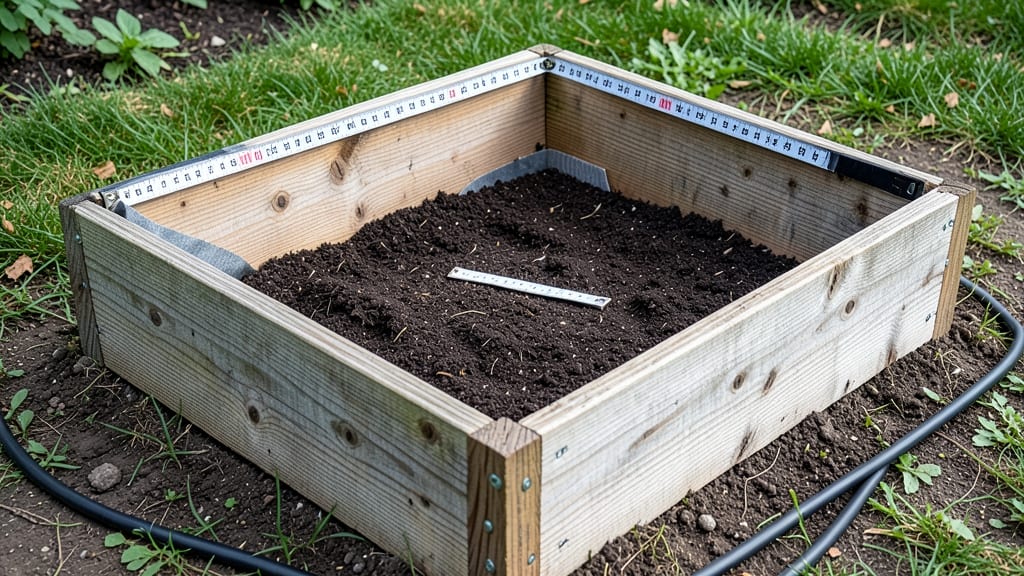
The standard raised garden bed size is 4 feet wide by 8 feet long with a depth of 6 to 12 inches, designed to maximize plant growth while making gardening tasks easier for most home gardeners.
These dimensions aren't random—they're carefully chosen for practicality and productivity. A 4-foot width lets you reach the center without stepping inside, while an 8-foot length balances space efficiency with manageable surface area.
The 6-12 inch depth gives roots room to grow without becoming waterlogged or compacted. 🌱 What's interesting is how these measurements adapt to different spaces—whether you're working with a small balcony or a backyard plot.
For urban gardeners with limited space, you might reduce the length to 4 feet while keeping the width for easy access. If mobility is a concern, adding 6-12 inches of extra height can make gardening more comfortable.
The key is maintaining that 4-foot reachable width—it's the secret to stress-free gardening whether you're planting flowers or growing vegetables.
💡 In This Article
- Why Standard Raised Bed Dimensions Boost Plant Health
- Customizing Raised Garden Beds for Different Spaces
Why standard raised bed dimensions boost plant health
The 4-foot width of standard raised beds is a game-changer for both gardener and plant. This measurement aligns perfectly with human reach—most adults can comfortably stretch 2 feet from either side without stepping inside, eliminating the need to tread on soil (which can compact it and harm roots).
Studies show that soil compaction reduces root oxygen by up to 30%, stunting plant growth. The 4-foot width also creates an ideal microclimate: the center stays slightly warmer in spring, accelerating seed germination for cool-season crops like lettuce and spinach.
An 8-foot length offers the sweet spot between manageable surface area and space efficiency. This size allows you to grow a diverse range of plants—think a row of tomatoes, peppers, and herbs—while keeping the bed easy to maintain.
For example, a 4x8-foot bed can comfortably fit 16 tomato plants spaced 2 feet apart, with room for companion plants like basil or marigolds.
The length also prevents "edge effects," where plants at the perimeter dry out faster due to exposure. 🌿 What's fascinating is how this length works with the human body: you can stand at one end and tend to the entire bed without straining.
The 6-12 inch depth is where the magic happens for root development. Most vegetables, like carrots and radishes, thrive in 6-8 inches of soil, while deeper-rooted plants like asparagus or potatoes need the full 12 inches.
This depth prevents soil compaction from foot traffic while allowing roots to access nutrients and moisture efficiently. For comparison, in-ground gardens often suffer from 12+ inches of compacted subsoil just below the surface, limiting root growth. Raised beds solve this by providing loose, aerated soil from day one.
Here's what happens when you deviate from these standards: a bed that's too wide (like 5 feet) forces you to step inside, compacting the soil and creating a maintenance headache. Too narrow (3 feet) wastes space and makes planting inefficient.
The length becomes problematic when it exceeds 12 feet, as it becomes difficult to reach the center without stepping on the soil. The depth is equally critical—shallow beds (4 inches) struggle with drought-prone plants, while excessively deep beds (> 18 inches) can become waterlogged, suffocating roots.
Consider the science of soil temperature: the 6-12 inch depth in raised beds warms up 2-3°F faster than in-ground soil in spring, giving plants a head start. This is why early-season crops like peas and spinach often thrive better in raised beds.
The width and length also influence airflow—proper spacing prevents fungal diseases like powdery mildew, which thrives in crowded, humid conditions. For instance, a 4x8-foot bed with 18-inch spacing between plants creates optimal airflow, reducing disease risk by up to 40% compared to tighter in-ground plantings.
For those with limited mobility, raising the bed's height by 4-6 inches (for a total height of 12-18 inches) can make gardening more accessible without compromising root depth.
The key is maintaining the 4-foot width—this dimension is the unsung hero of raised bed design, balancing ergonomics, plant health, and space efficiency. 🌱 Whether you're growing herbs in a small urban plot or a full vegetable garden, these dimensions are the foundation of a thriving, low-stress gardening experience.