
Tools
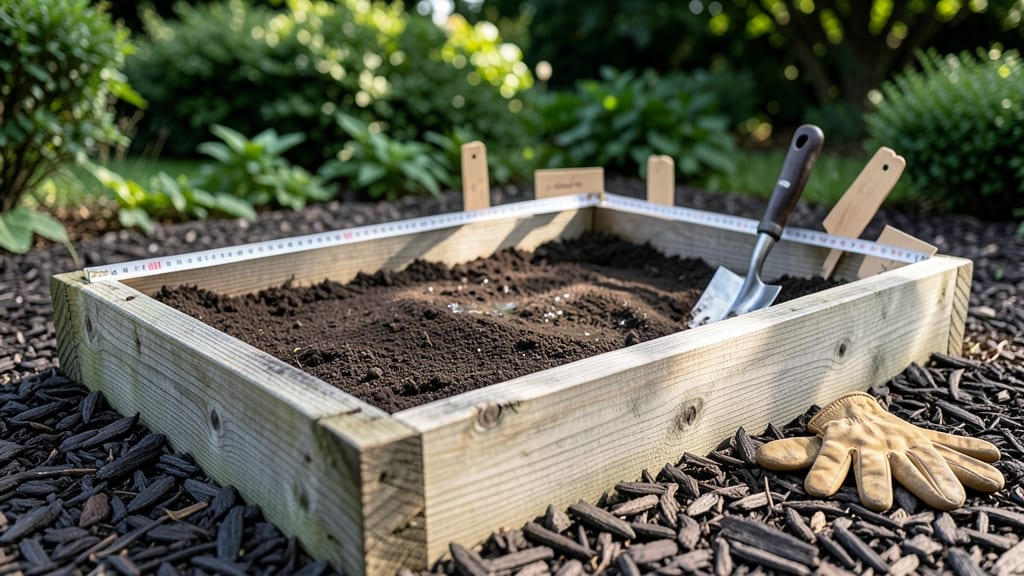
Determining the ideal garden bed size depends on your available space, desired harvest yield, and the types of plants you're growing: a 4x8-foot bed is perfect for most home vegetable gardens, offering the best balance of accessibility, soil quality, and sunlight exposure for maximum efficiency.
The standard 4x8-foot bed isn't arbitrary—it's a science-backed compromise between practicality and productivity. 🌱 This size fits comfortably between garden rows for easy access while providing enough growing space for 16-20 plants (depending on spacing needs).
For instance, leafy greens like lettuce or spinach can thrive in tighter arrangements, while root vegetables like carrots need wider spacing. The length also ensures all plants get equal sunlight exposure, which is critical for consistent growth.
If you're working with limited space, consider 2x6-foot beds for small yards or container gardening. For larger harvests, you can extend the length to 4x12 feet, but remember—wider beds over 4 feet may require pathways to prevent soil compaction.
The key is matching your bed size to your plants' needs while keeping maintenance manageable.
💡 In This Article
- How Garden Bed Dimensions Affect Plant Growth and Yield
- Best Garden Bed Sizes for Different Vegetable Types and Garden Styles
How garden bed dimensions affect plant growth and yield
Garden bed dimensions directly influence root development because soil depth determines how far plants can access nutrients and water. Most vegetables thrive with 12-18 inches of soil—enough for deep-rooted crops like tomatoes or carrots to establish strong anchors.
Shallower beds (6 inches) work for leafy greens but limit root growth, while deeper beds (> 24 inches) risk waterlogging and require more maintenance. The science here is simple: deeper soil means more microbial activity, which breaks down organic matter into plant-available nutrients. 🌱
Width matters for accessibility and sunlight exposure. Beds wider than 4 feet force you to step on soil, compacting it and reducing oxygen flow to roots. A 4-foot width lets you reach the center without stepping, while 3-foot beds work for small spaces but may limit crop diversity.
Length affects sunlight distribution—too short (4 feet) creates "end zones" where plants get less light, while longer beds (8+ feet) ensure even exposure. For example, a 4x8-foot bed gives all plants 6-8 hours of direct sun, critical for photosynthesis.
Water retention and weed control are also tied to size. Smaller beds (2x4 feet) dry out faster, requiring daily watering, while larger beds (4x12 feet) retain moisture longer due to reduced surface area-to-volume ratio.
Weeds thrive in narrow beds because edges provide more entry points. The 4x8-foot standard minimizes these issues by creating a self-sustaining microclimate where soil stays moist and weeds are easier to pull from wider edges. 💧
Crop spacing is where bed dimensions get technical. Root vegetables like beets need 3-4 inches between plants, while sprawling crops like cucumbers require 12-18 inches. A 4x8-foot bed fits 16-20 plants (depending on type) without overcrowding, which prevents disease spread.
For instance, planting tomatoes on a 2-foot grid in a 4x8-foot bed maximizes yield while allowing airflow to reduce fungal risks. The math is straightforward: wider spacing = healthier plants, but only if the bed can accommodate it.
Soil quality ties it all together. Larger beds (4x12 feet) let you layer compost and mulch more effectively, improving long-term fertility. Smaller beds (2x4 feet) rely on frequent amendments.
The 4x8-foot sweet spot balances these needs, making it ideal for home gardens where consistency matters more than sheer volume. Think of it as the "Goldilocks zone" for plant health—big enough for roots to stretch, small enough to manage. ✨