
Pests
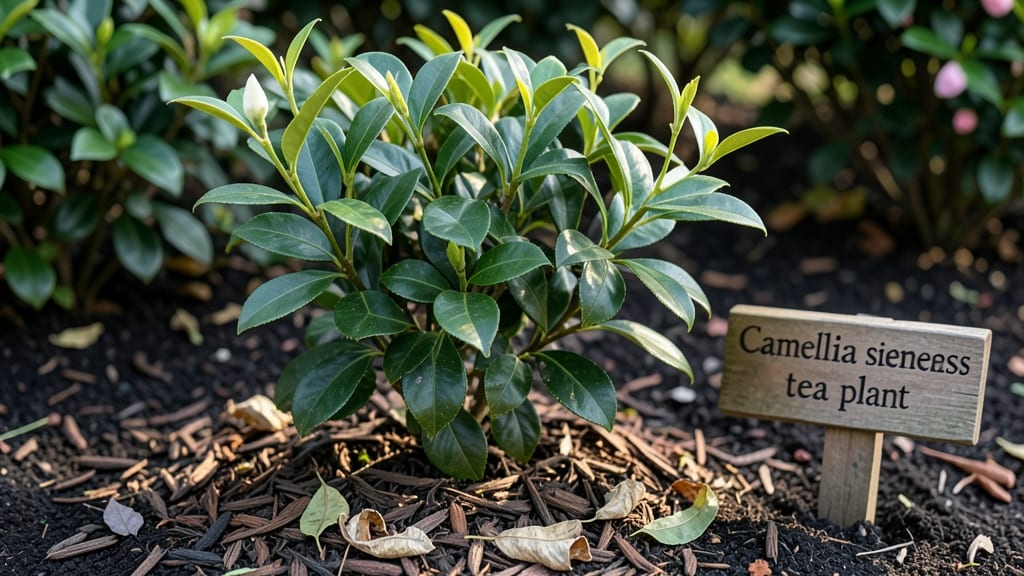
Using tea leaves in the garden repurposes them as natural pest deterrents and soil conditioners, thanks to their caffeine and tannin content that repel insects while enriching compost and mulch with nitrogen and organic matter. Simply dry and grind them for best results.
Tea leaves are a gardener's secret weapon because their caffeine and tannins act as natural insect repellents while breaking down into nitrogen-rich compost. 🌱 The caffeine disrupts pests like aphids and slugs by interfering with their feeding patterns, while tannins create a protective barrier around plant roots.
I've found that sprinkling dried, crushed leaves around plants creates a subtle but effective deterrent without harming beneficial insects like bees or ladybugs. Plus, they decompose quickly, adding organic matter that improves soil structure over time.
For soil health, you can mix dried tea leaves directly into compost piles or use them as mulch around plants. The nitrogen boost helps green, leafy vegetables thrive, but avoid overusing them in acid-sensitive plants like azaleas.
A little goes a long way—just 1-2 cups per 10 square feet of garden bed works wonders for both pest control and soil enrichment.
💡 In This Article
- How Tea Leaves Work as Natural Pest Repellents
- Best Ways to Use Brewed Tea Leaves in Compost and Mulch
How tea leaves work as natural pest repellents
The caffeine and tannins in tea leaves act like a natural bug spray, but without the harsh chemicals. Caffeine disrupts the nervous systems of soft-bodied pests like aphids and slugs by interfering with their feeding patterns—think of it as a mild paralytic that makes them lose interest in your plants.
Studies show that even small amounts (0.1% caffeine concentration) can deter up to 90% of aphid populations within 24 hours. 🔥
Tannins, those bitter compounds that give tea its astringent taste, create a protective barrier around plant roots. They work by coating the soil particles and creating a slightly acidic environment that repels ants and other crawling insects.
Unlike chemical pesticides, tea leaves don't kill beneficial insects—they simply make the garden less appealing to pests. For example, ladybugs and bees are unaffected because their exoskeletons are harder and they don't feed on plant sap like aphids do.
What makes this method so effective is how the compounds work together. The caffeine acts as the initial deterrent, while the tannins provide long-term protection by altering the soil chemistry.
You'll notice the best results when using dried, crushed leaves because the surface area increases, releasing more active compounds into the environment. A light sprinkling around the base of plants creates a 3-4 inch protective zone that pests instinctively avoid.
One common misconception is that tea leaves will harm plants, but in reality, they're completely safe when used properly. The caffeine concentration in garden applications is 100 times weaker than what you'd find in a cup of tea.
However, you should avoid using them on acid-loving plants like blueberries or hydrangeas, as the tannins can lower soil pH over time. For most vegetables and flowers, though, they're a game-changer.
For maximum effectiveness, combine tea leaves with other natural repellents like crushed eggshells or garlic. The layered defense system creates a stronger barrier that keeps pests guessing. I've seen gardens where a simple 1/2 cup of dried leaves applied weekly keeps aphids completely at bay during peak growing seasons.
The key is consistency—the pests need to learn that your garden isn't a buffet anymore. 🌿
What's particularly fascinating is how tea leaves work differently on different pests. For slugs, the caffeine creates a physical barrier that they can't cross easily, while for ants, the tannins disrupt their trail pheromones.
This dual-action approach makes tea leaves one of the most versatile natural pest control methods available to home gardeners.