
Tools
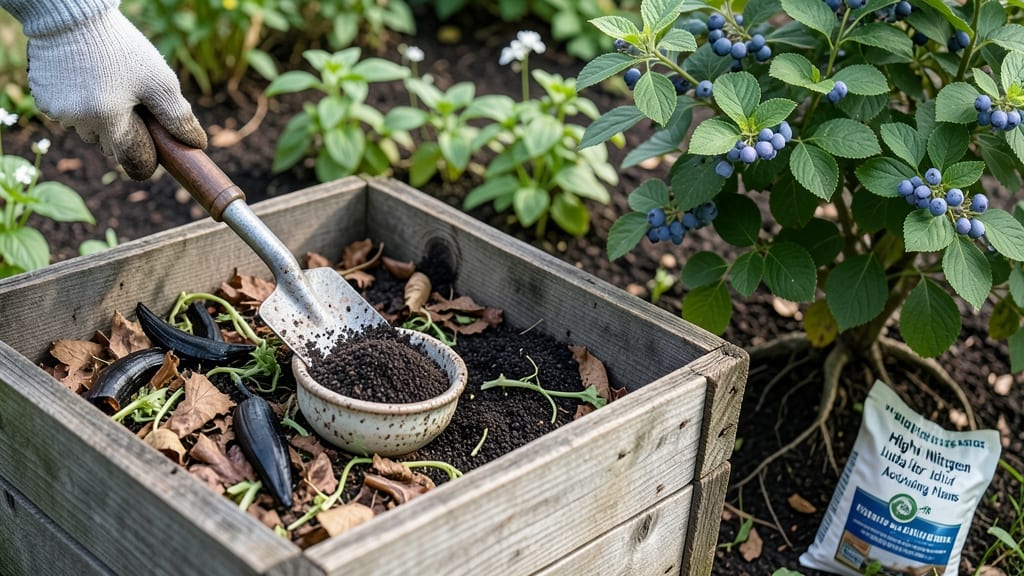
Using the used coffee grounds for the garden boosts soil fertility by supplying nitrogen, naturally repelling pests like slugs and ants, and creating ideal conditions for acid-loving plants such as blueberries and azaleas. Always apply them in moderation to prevent over-acidifying the soil.
Used coffee grounds for the garden work like a natural fertilizer because they break down slowly, releasing nutrients over time—especially nitrogen, which plants crave for leafy growth. 🌱 The caffeine in grounds acts as a mild pesticide, keeping unwanted critters away, while the slightly acidic nature helps acid-loving plants thrive.
I’ve seen firsthand how a handful sprinkled around tomato plants deters aphids without harsh chemicals. Just remember: too much can make soil too acidic, so mix them into compost or spread thinly on top of soil.
For best results, I recommend mixing grounds into your compost pile or burying them in the soil rather than leaving them on the surface. This prevents them from drying out and ensures they decompose properly.
You can also brew a nutrient-rich "coffee tea" by steeping used grounds in water for a few days, then using the liquid as a fertilizer. The key is balance—too much can harm your plants, but the right amount transforms your garden into a thriving ecosystem.
💡 In This Article
- How Coffee Grounds Improve Soil Health
- 5 Creative Ways to Use Coffee Grounds in Your Garden
How coffee grounds improve soil health
The magic of used coffee grounds lies in their nutrient profile and chemical properties. When grounds decompose, they release nitrogen—a critical nutrient for leafy growth—along with smaller amounts of phosphorus and potassium. This slow-release process mimics organic fertilizers, feeding plants over weeks rather than all at once.
Studies show that coffee grounds can increase soil nitrogen levels by up to 20% when properly incorporated, making them a powerhouse for nutrient-hungry plants like vegetables and leafy greens.
Beyond nutrients, coffee grounds stimulate beneficial microbial activity in the soil. The caffeine and tannins act as mild stimulants for fungi and bacteria that break down organic matter, creating a more vibrant soil ecosystem.
This microbial boost improves soil structure by increasing aeration and water retention—similar to how compost enhances garden beds. For acid-loving plants like blueberries or hydrangeas, grounds also lower soil pH gradually, creating ideal conditions for these species to thrive.
The caffeine in coffee grounds serves another crucial role: natural pest deterrence. While humans metabolize caffeine easily, slugs, ants, and even some fungal pathogens find it toxic. Sprinkling grounds around vulnerable plants creates a protective barrier without chemical pesticides.
I've noticed fewer aphids on my tomato plants after applying a thin layer of grounds, and the earthy aroma seems to repel crawling insects effectively. This dual benefit—fertilizing while protecting—makes coffee grounds one of nature's most versatile garden amendments.
However, the acidity factor requires careful balance. Fresh coffee grounds have a pH of around 4.8-5.3, which can make soil too acidic if overapplied. For most garden soils (typically pH 6-7), mixing grounds with compost or burying them 2-3 inches deep prevents pH swings.
Acid-loving plants benefit from this adjustment, but vegetables like beans or carrots may struggle if the soil becomes too sour. Always test your soil before heavy application to avoid creating unfavorable growing conditions.
Consider the texture of coffee grounds too—their coarse, granular nature makes them ideal for improving soil structure. When mixed into heavy clay soils, they create air pockets that enhance drainage, while sandy soils benefit from their ability to retain moisture.
The porous structure also makes them excellent for creating well-draining layers in containers or raised beds.
For maximum effectiveness, I recommend using 1-2 cups of grounds per 10 square feet of garden bed, mixed into the top 2-3 inches of soil. This amount provides nutrients without overwhelming the soil's natural balance.
The key is patience—grounds decompose slowly, so their benefits build over time rather than providing immediate results.