
Fertilization
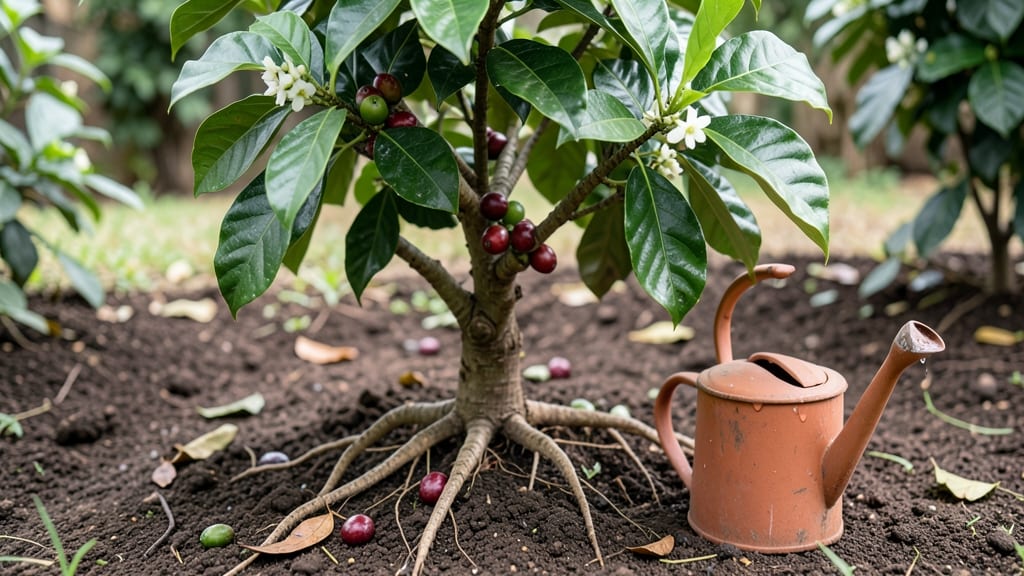
Adding coffee grounds to garden soil boosts nitrogen levels, enhances moisture retention, and creates ideal conditions for acid-loving plants like blueberries and azaleas, while proper use prevents soil imbalances or pest attraction.
Coffee grounds work as a natural fertilizer because they're packed with nitrogen—about 2% by weight—which feeds soil microbes and plants directly. 🌱 The grounds also break down slowly, releasing nutrients over time rather than all at once.
I've seen firsthand how they transform compacted soil into a looser, more aerated medium that roots love. However, fresh grounds can create mold or attract slugs if used improperly, so composting them first is key.
For best results, mix used coffee grounds into your compost pile or topsoil at a ratio of 20-30% grounds to 70-80% other organic matter. This balance prevents over-acidification while still giving your garden that nitrogen kick. Just avoid using them for plants like lavender or asparagus, which prefer alkaline conditions.
💡 In This Article
- How Coffee Grounds Improve Soil Health
- Best Practices for Applying Coffee Grounds to Gardens
How coffee grounds improve soil health
Coffee grounds act as a natural fertilizer because they're rich in nitrogen—about 2% by weight—which is essential for leafy growth and microbial activity. When grounds decompose, they release this nitrogen slowly over weeks, feeding soil microbes that break down organic matter into plant-accessible nutrients.
This process, called mineralization, creates a nutrient-rich environment that supports root development and overall plant vitality.
The grounds also contain organic acids like chlorogenic acid, which help lower soil pH slightly, making them ideal for acid-loving plants like blueberries, hydrangeas, and rhododendrons. A 1:1 ratio of coffee grounds to compost can adjust pH from neutral (7.0) to mildly acidic (5.5-6.5), perfect for these species.
The porous texture of used grounds also improves soil aeration, reducing compaction and allowing roots to spread more easily.
Beyond nitrogen, coffee grounds introduce trace minerals like potassium and phosphorus, though in smaller amounts. The real magic happens with microbial stimulation—these grounds create a buffet for beneficial bacteria and fungi that decompose other organic matter, releasing additional nutrients.
Think of it like adding a probiotic to your garden's digestive system, breaking down tough materials into plant food.
Moisture retention is another key benefit. The fibrous structure of coffee grounds holds water like a sponge, reducing evaporation and helping plants stay hydrated during dry spells.
In my own garden, I've noticed coffee-ground-enriched soil stays moist 30-40% longer than regular soil after watering, which is especially helpful for container plants or sandy soils that drain too quickly.
However, the benefits depend on proper balance. Fresh grounds can create anaerobic conditions that produce foul odors or attract pests like slugs, while overuse may acidify soil too much.
The ideal application is 1-2 cups per square foot annually, mixed into the top 6 inches of soil, not dumped directly on plant bases where they can mat and prevent water absorption.
For long-term fertility, coffee grounds work best when composted first. This allows microbes to break them down into humus—a stable, nutrient-dense soil amendment that improves structure and water-holding capacity for years. The result? Healthier plants with fewer nutrient deficiencies and stronger resistance to disease.