
Picking
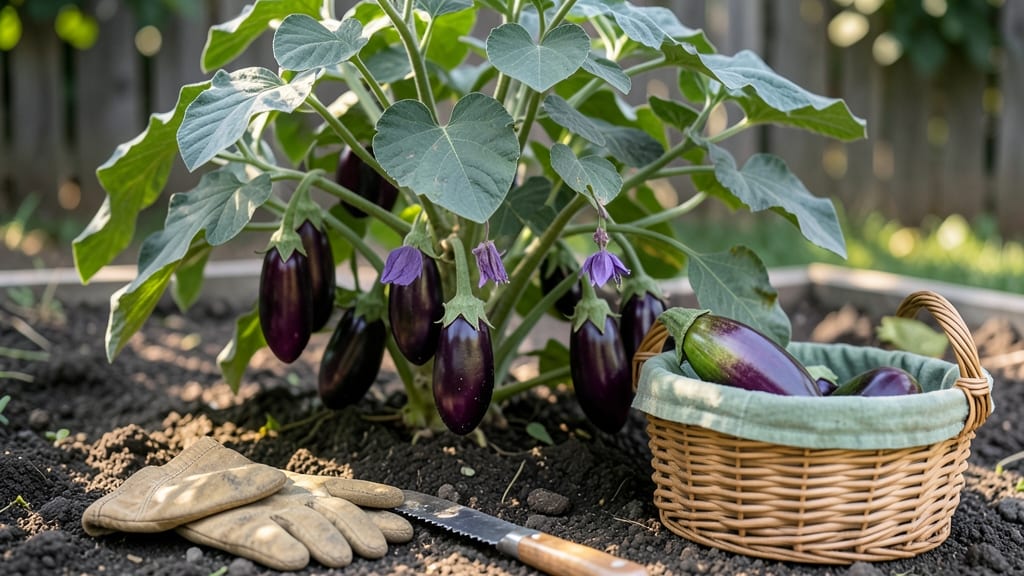
Picking eggplant from your garden at the right time means the difference between sweet, tender flesh and a bitter, seedy disappointment.
Harvesting too early leaves you with small, underdeveloped fruits, while waiting too long turns them mushy and unappetizing. The key? Watching for three telltale signs—color depth, seed maturity, and firmness—that signal peak ripeness.
In USDA Zone 6a, your eggplant 🍆 will typically reach harvest time between July and September, but knowing the exact moment to pick ensures you don’t miss the window.
I’ll walk you through the simple checks every gardener should use, plus how to handle common mistakes that waste a whole season’s effort.
By the end, you’ll confidently pluck your eggplants at their prime—ready for the kitchen or the pantry—without a single regret.
How to check eggplant seed ripeness for perfect harvest timing
Harvesting eggplant at the wrong stage can turn your garden bounty into bitter, seedy disappointment. The key to perfect eggplant ripeness lies in three simple but critical checks: seed color, flesh firmness, and the thump test.
These methods work for all varieties—whether you're growing classic purple Black Beauty or white Casper eggplants.
Most gardeners focus only on size or color, but seed ripeness is the real indicator of flavor and texture. When seeds inside the eggplant turn from white to brown, that's your cue to harvest.
This internal change often happens just before the skin reaches its peak color—so don't wait too long!
Start by examining the skin's glossiness. A ripe eggplant should have a satiny, deep color—whether purple, black, or white—without any dull patches. Run your fingers over the skin: if it feels slightly velvety but not waxy, it's ready. Dull or rough skin means it's past its prime.
Next, perform the thump test—a gardener's secret for perfect timing. Hold the eggplant in one hand and gently tap it with the other. A ripe eggplant produces a hollow, deep sound, like knocking on a drum.
If it sounds dull or feels mushy, it's overripe. This test works because ripe eggplants have thinner, more hollow flesh at the core.
Don't rely on size alone—6-8 inches is the ideal length for most varieties, but some heirlooms like Ichiban can grow much larger. Instead, combine all three checks: deep color, slight give when pressed, and that hollow thump. When they all align, you've got a winner!
Here’s a quick visual guide to help you spot the perfect eggplant at a glance:
| Ripeness Check | What to Look For | Action |
|---|---|---|
| Seed Color | Brown seeds inside (cut test) | Harvest now for best flavor |
| Skin Color | Deep, glossy (purple/white/black) | Pick when fully colored |
| Thump Test | Hollow, deep sound when tapped | Ready for harvest |
| Flesh Firmness | Slight give, not rock-hard | Avoid if too soft or mushy |
| Stem Check | Snaps cleanly when bent | Pull at stem base |
Pro tip: If you're unsure, harvest a few eggplants at different stages to compare. Store them separately and taste-test after cooking. You'll quickly learn what seed ripeness and skin color mean for your specific variety.
My first year growing eggplants, I waited too long—now I harvest at the first sign of brown seeds!
Timing matters because eggplants continue to ripen after picking. Harvesting too early means seedy, bitter flesh, while waiting too long turns them mealy. Aim for 75-90 days after transplanting, but always prioritize the thump test and seed color over calendar dates.
Once you master these checks, you'll never waste another eggplant again. The secret? Combine all three methods—color, thump, and seed ripeness—for foolproof results every time. Happy harvesting! 🍆
Eggplant color shift guide: when purple turns to prime picking time
Eggplants start life as green, glossy fruits but transform into their signature deep purple, black, or white hues as they mature. This color shift isn't just cosmetic—it's your clearest cue that the fruit is ready to harvest.
But not all eggplants follow the same rules, especially white or striped varieties, which ripen differently.
For classic purple eggplants, the skin should turn a rich, uniform color with no green patches. The shift happens gradually over 1-2 weeks, so check your plants every 3-4 days during peak ripening season (July-September in most zones). Ignoring this shift risks bitter flesh or overly seedy centers.
White and striped varieties like 'Casaba' or 'Rosa Bianca' ripen when their skins turn creamy white or pale yellow with no green remaining. These types often stay slightly firmer longer than purple varieties, so don't rely solely on color—always test for gentle give when pressed.
Pro tip: Use a flashlight trick for purple varieties—shine light through the skin. When it turns translucent purple (not green), it's prime picking time. For white types, look for even coloring with no green veins—these often ripen slightly slower than their purple cousins.
Timing matters most in hot climates, where eggplants can overripen quickly. If your garden hits 90°F+, check fruits daily—overripe eggplants develop soft spots and seedy centers. Always harvest in the morning when skins are coolest for best flavor.
Remember: Size alone isn't enough—a 6-inch purple eggplant with green patches is underripe, while a 5-inch white one with even coloring may be perfect. Trust your eyes and fingers—the right balance of color, firmness, and size guarantees your best harvest yet.