
Picking
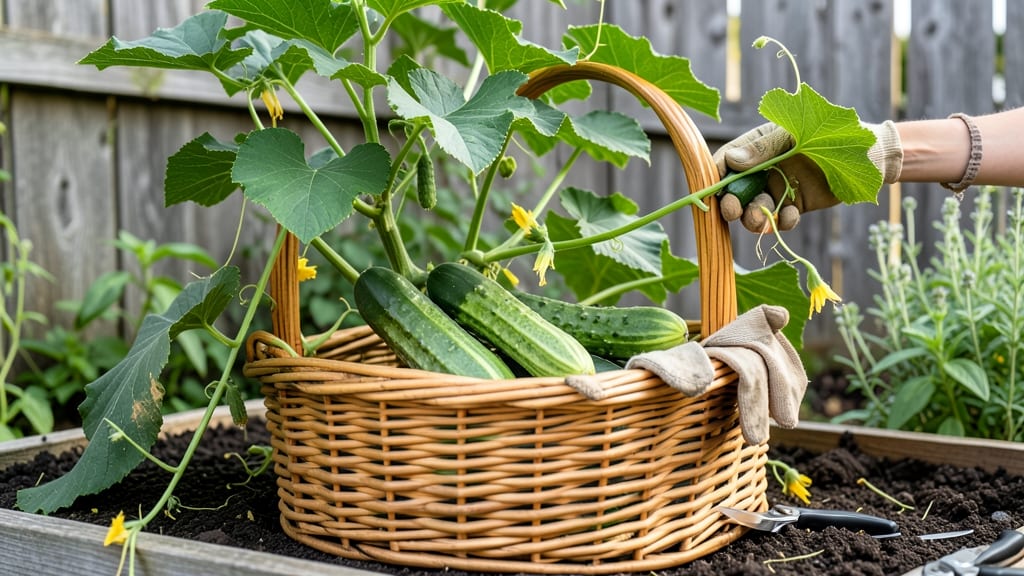
To pick cucumbers from your garden at the perfect moment means crisp, flavorful harvests every time, not bitter or seedy surprises.
Harvesting cucumbers at the right moment can mean the difference between crisp, sweet bites and bitter, seedy disappointments—so timing is everything for gardeners. 🥒
Most gardeners assume size alone determines ripeness, but color, texture, and even the time of day play a role in maximizing flavor and yield. A cucumber that’s too small or too large can ruin a meal, so knowing the subtle cues saves you from wasted effort.
Below, I’ll break down the exact size, color, and firmness checks to use, plus the best time of day to harvest for peak freshness. You’ll also learn how to avoid the three biggest mistakes that turn cucumbers mushy or bitter before they even reach your plate.

How to determine cucumber ripeness by size, color, and texture
Harvesting cucumbers at the right time ensures maximum flavor and texture, but knowing exactly when to pick cucumbers from garden can be tricky. Cucumbers left too long on the vine turn bitter and seedy, while picking too early means sacrificing sweetness and yield.
The key lies in understanding size, color, and texture cues that vary by variety—whether you're growing slicing types or pickling varieties. Mastering these signs will help you avoid common pitfalls and enjoy crisp, fresh cucumbers all season long.
For most gardeners, the biggest challenge is distinguishing between underripe and overripe cucumbers. A 6–8 inch length is a general rule for slicing cucumbers, but pickling varieties like Boston Pickling should be harvested at 2–4 inches for optimal crunch.
Color also shifts from pale green to a deep, even green, while texture changes from soft to firm but yielding under gentle pressure. Let’s break down these cues to help you time your harvest perfectly.
| Cucumber Type | Ideal Size | Color Cue | Texture Test | Stem Sign |
|---|---|---|---|---|
| Slicing (e.g., Straight Eight) | 6–8 inches | Deep green, no yellow | Firm but yields slightly | Brown/yellow, snaps easily |
| Pickling (e.g., Boston Pickling) | 2–4 inches | Bright green, no bumps | Crisp, no soft spots | Green stem, detaches cleanly |
| Persian (e.g., Persian Magnum) | 8–10 inches | Dark green, glossy | Thick, firm skin | Brown stem, firm attachment |
| English (e.g., Marketmore) | 10–12 inches | Uniform green, no streaks | Smooth, no bumps | Yellowing stem base |
Size is the easiest way to gauge ripeness, but it’s not the only factor. Slicing cucumbers like Straight Eight should reach 6–8 inches before harvesting, while pickling varieties like Boston Pickling are best picked at 2–4 inches to prevent seedy interiors. Persian cucumbers, known for their sweet flavor, should be harvested at 8–10 inches when their skin is thick and glossy.
Always check the stem end—a brown or yellow color indicates readiness, while a green stem means the cucumber needs more time.
Color is another critical clue. Deep, even green signals maturity, while pale or yellowing skin means the cucumber is overripe. Some varieties, like Lemon cucumbers, change to yellow when ripe, so always refer to your seed packet for variety-specific cues.
Avoid cucumbers with white or yellow streaks, as these often indicate overripeness and bitterness. For bush varieties, color changes may happen faster due to their compact growth habit, so monitor them closely.
Texture plays a surprising role in determining ripeness. A ripe cucumber should feel firm but slightly yielding—like a ripe avocado. Press gently with your thumbnail: if the skin resists slightly but gives way, it’s ready. Overripe cucumbers feel soft or mushy, while underripe ones are hard and rubbery.
Pay attention to the bloom development too; cucumbers that form near flowers tend to ripen faster. If you notice white bloom residue on the skin, it’s a sign the cucumber is nearly ready.
Variety-specific differences can complicate things, especially for gardeners growing heirloom or specialty cucumbers. For example, English cucumbers like Marketmore can grow up to 12 inches before reaching peak flavor, while miniature varieties like Sugar Crystal should be picked at 3–4 inches.
Always research your specific variety’s traits, as some develop bumpy skin or thick rinds when overripe. If you’re unsure, err on the side of harvesting slightly early—you can always let them ripen further indoors.
One common mistake is ignoring the stem’s attachment point. A ripe cuc
Common mistakes that ruin cucumber flavor (and how to avoid them)
Even experienced gardeners sometimes miss the subtle signs that turn perfectly good cucumbers into bitter, seedy disappointments. The key lies in recognizing overripeness cues before they ruin your harvest. I’ve learned the hard way that ignoring these warning signs can mean losing weeks of growth to wasted produce.
One of the biggest mistakes is waiting too long for cucumbers to reach their ideal size. Many varieties—like slicing cucumbers—should be harvested at 6–8 inches, while pickling types mature faster.
Waiting for them to grow larger often leads to bitter flavors and tough skins, which no one enjoys.
Here’s the tricky part: color changes aren’t always obvious. While most cucumbers stay green, some varieties—like Lemon cucumbers—turn yellow when ripe. Others develop yellowing patches or soft spots as they overripen. These are clear signals to act fast before flavor deteriorates.
🌱
⚠️ When to Pick Cucumbers: Critical Warning Signs
Overripe cucumbers develop these red flags:
- Yellowing skin or brown patches (signs of sugar conversion to starch)
- Soft spots when pressed (indicates decay starting)
- Large, developed seeds (means flavor is compromised)
- Stem end turning brown and detaching easily (too late!)
Action: Check plants every 2–3 days during peak harvest (June–August). Remove any cucumbers showing these signs immediately to redirect energy to new growth.
Weather plays a sneaky role too. Hot, dry conditions can accelerate overripening, while cool, cloudy days slow growth. If your garden’s harvest window shrinks due to heat waves, I recommend picking cucumbers smaller than ideal to avoid bitterness.
Even a 2–3°F drop in nighttime temps can signal it’s time to harvest before flavor declines.
Another common trap is assuming all cucumbers ripen at the same rate. Bush varieties mature faster than vining types, and some—like English cucumbers—grow longer but stay tender. I’ve found that keeping a harvest journal with variety names and dates helps track when each plant needs attention.
To prevent wasted produce, I now make it a habit to inspect vines daily during peak season. A quick glance for firm, bright-green cucumbers with no soft spots ensures I never miss the perfect moment.
And if I spot even one overripe cucumber, I’ll harvest 3–5 more nearby—they’re likely close behind.
🌿