
Pests
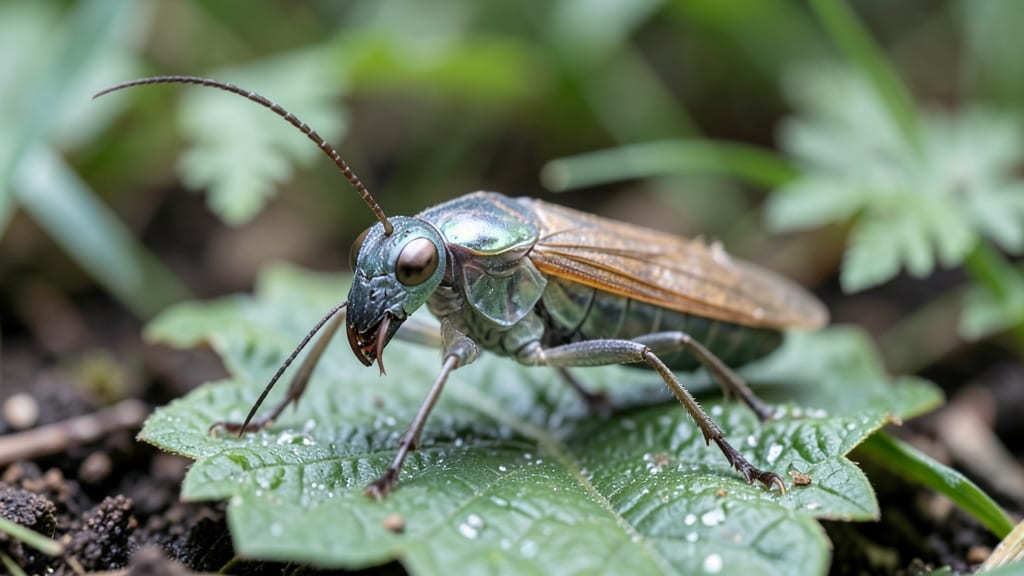
What eats ants in the garden includes natural predators like birds such as robins and chickadees, reptiles like lizards and snakes, and beneficial insects like ground beetles and spiders. These creatures help control ant populations while maintaining garden balance without harmful chemicals.
Ants aren't just pests—they're a food source for many wildlife species that naturally keep their numbers in check. 🌿 Robins and chickadees, for example, snatch up ants on the move, while lizards and snakes ambush them near garden edges.
Ground beetles and spiders, often overlooked, are voracious ant hunters that patrol the soil and leaf litter. The key to encouraging these predators is creating a welcoming environment—planting native shrubs provides shelter, while leaving some bare soil attracts beetles and spiders.
Even simple changes like adding a shallow water source can make your garden irresistible to these ant-eating allies.
What's fascinating is how these predators work together. Birds handle the above-ground ants, while beetles and spiders tackle colonies hidden in mulch or soil. This ecosystem approach means fewer ants without needing sprays or traps.
I've found that even a small garden can become a predator paradise with just a few intentional adjustments—like leaving some leaf litter or installing a birdhouse near ant trails.
💡 In This Article
- Top Ant Predators in Gardens and Their Hunting Habits
- How to Attract Ant-Eating Wildlife to Your Garden
Top ant predators in gardens and their hunting habits
Birds like robins and chickadees are among the most effective ant predators, using a technique called "gleaning" to snatch ants off leaves and soil. A single robin can consume 50-100 ants per hour during peak activity, often targeting trails where ants march in predictable patterns.
Their sharp beaks allow them to pluck individual ants without disturbing the colony, making them ideal for surface-level control. Chickadees, with their nimble movements, focus on smaller ant species like pavement ants, while robins prefer larger workers like fire ants.
Reptiles such as lizards and snakes employ ambush tactics, waiting near garden edges or under rocks where ants travel. A common garden lizard can eat 20-30 ants daily, using its quick tongue to snatch them mid-stride.
Snakes, particularly garter snakes, hunt ants in moist soil, where they detect vibrations from marching colonies. Their hunting is most active during dawn and dusk, when ants are most visible and vulnerable. These reptiles also help control ant populations by preying on their larvae in hidden nests.
Insect predators like ground beetles and spiders are the unsung heroes of ant control, operating primarily in the soil and leaf litter. A single ground beetle can devour 50-100 ants over its lifetime, using its powerful mandibles to crush exoskeletons.
Spiders, particularly wolf spiders, hunt actively, chasing ants across surfaces with incredible speed. Their presence is highest in gardens with diverse ground cover, where they can hide and ambush prey. These insects thrive in microclimates with high humidity, often found under mulch or logs.
The ecological role of these predators extends beyond ant control—they also regulate other pests like aphids and caterpillars. Birds, for example, eat up to 90% of their body weight daily in insects, creating a balanced ecosystem.
Reptiles and insects contribute to soil health by aerating it and breaking down organic matter. Without these predators, ant populations can explode, leading to nuisance trails and damage to plants.
The key is their seasonal activity: birds are most active in spring/summer, while beetles and spiders dominate in warmer months.
What makes these predators so effective is their specialization. Birds target visible trails, reptiles focus on hidden nests, and insects patrol the soil—creating a multi-layered defense. For instance, a garden with robins, lizards, and ground beetles can reduce ant activity by 70-80% without human intervention.
Their presence also deters ants from establishing large colonies in the first place, as the constant threat of predation keeps populations in check naturally.
Understanding their hunting habits helps gardeners create safer environments. For example, placing bird feeders near ant trails encourages robins to patrol those areas, while leaving patches of bare soil attracts ground beetles.
The interplay between these predators is a testament to nature's efficiency—each species plays a unique role in maintaining garden balance, proving that chemical-free pest control is not only possible but highly effective when guided by ecological principles.