
Tools
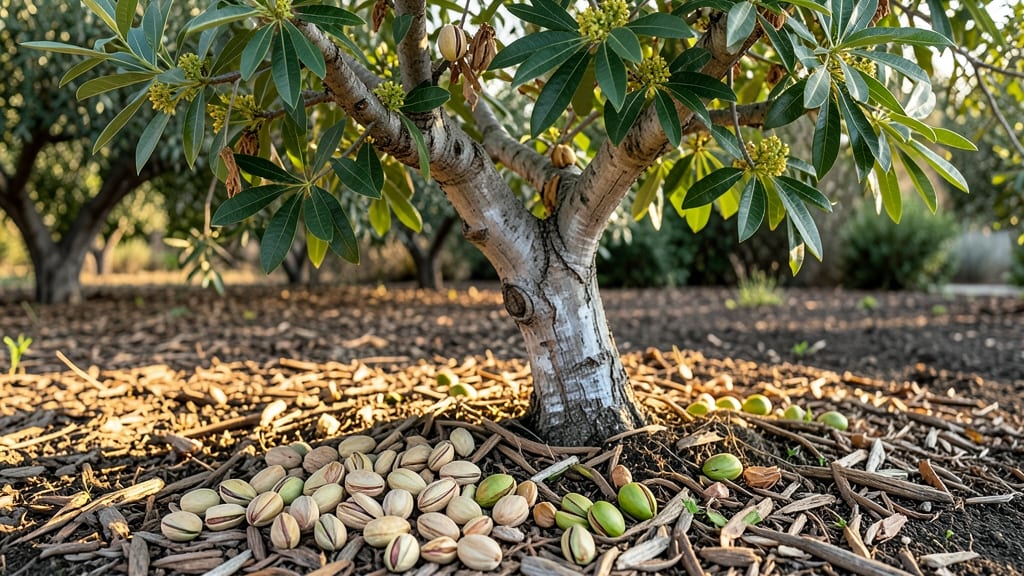
Using pistachio shells in your garden boosts soil health by enriching it with organic matter and naturally repels pests like slugs and ants through their protective oils, while also releasing nutrients gradually as they break down.
Pistachio shells work like a natural soil enhancer because they're rich in carbon, which feeds beneficial microbes as they decompose. 🌱 The oils in the shells act as a deterrent for common garden pests, creating a barrier without harsh chemicals.
I’ve found they’re especially effective when crushed and mixed directly into soil or used as mulch around plants—just be sure to crush them first for faster breakdown and better nutrient release.
These shells also improve soil structure by adding organic material that holds moisture while allowing air to circulate. Unlike some mulches that can acidify soil over time, pistachio shells maintain a neutral pH, making them ideal for most plants.
For best results, apply them in early spring or fall when soil activity is high.
💡 In This Article
- How Pistachio Shells Boost Soil Health and Deter Pests
- Step-by-Step Guide: Preparing and Applying Pistachio Shells
How pistachio shells boost soil health and deter pests
Pistachio shells work their magic through a two-part process: nutrient release and pest repellence. When crushed, these shells break down slowly—taking about 6-12 months to fully decompose—releasing carbon-rich compounds that feed soil microbes.
These microbes, in turn, break down the shells further, creating a self-sustaining cycle that improves soil structure and fertility. The shells also contain trace minerals like potassium and phosphorus, which become available to plants over time, unlike synthetic fertilizers that wash away quickly.
The natural oils found in pistachio shells act as a chemical barrier against pests. Slugs and ants, two common garden nuisances, are particularly deterred by these oils because they disrupt their scent trails and taste receptors.
Studies show that crushed shells create a 3-4 inch protective layer when used as mulch, effectively blocking access to plant roots while allowing water and air to penetrate. This makes them a safer alternative to chemical repellents, which can harm beneficial insects and soil organisms.
Unlike some organic mulches that can compact soil over time, pistachio shells actually improve aeration by breaking down into a light, fluffy texture. This prevents soil from becoming too dense, which is especially beneficial for root crops like carrots or radishes.
The shells also help regulate soil moisture by reducing evaporation—similar to how coconut coir works, but with added pest-deterrent benefits. Their neutral pH (6.5-7.5) makes them versatile for most plants, unlike acidic mulches like pine needles.
What sets pistachio shells apart is their dual functionality: they work as both a soil amendment and a pest control measure. For example, while coffee grounds (another popular mulch) repel slugs due to their acidity, they can harm earthworms and alter soil pH over time.
Pistachio shells avoid these pitfalls by offering a balanced, long-term solution. The shells’ coarse texture also makes them ideal for pathways, where they deter ants while adding a natural, rustic aesthetic to garden borders.
To maximize their benefits, crush the shells to a 1/4-inch or smaller size before applying. This increases surface area, speeding up decomposition and nutrient release. You’ll notice the most dramatic improvements in vegetable beds and flower gardens, where both soil health and pest pressure are critical.
For instance, mixing crushed shells into tomato beds can reduce aphid infestations while enriching the soil for better fruit production.
One advanced tip: combine pistachio shells with compost for a balanced carbon-to-nitrogen ratio, which accelerates microbial activity. This combo works particularly well for heavy clay soils, where the shells help loosen compacted particles while the compost provides immediate nitrogen.
Over time, you’ll see healthier plants with stronger resistance to pests—a natural cycle that reduces the need for chemical interventions.