
Tools
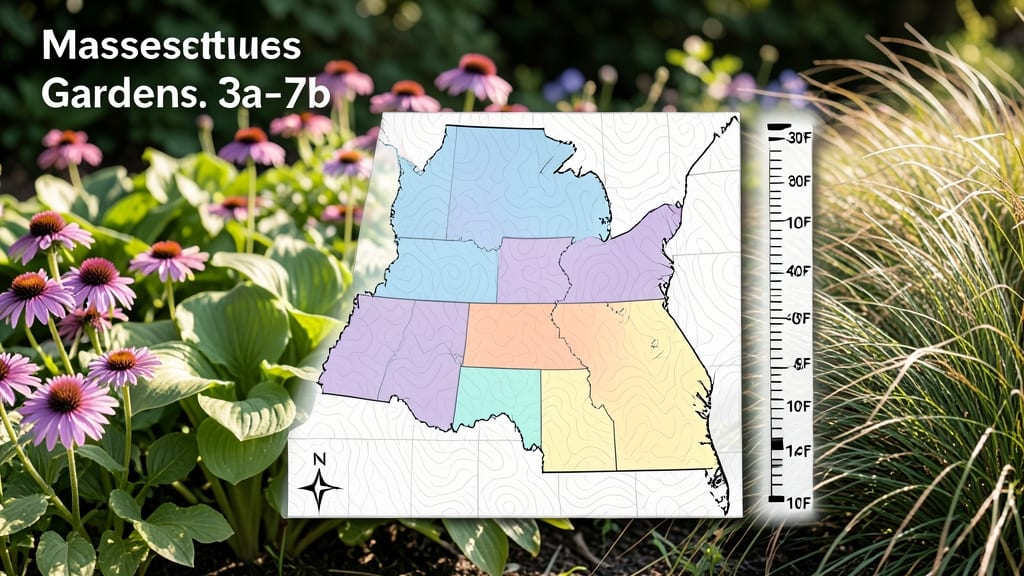
What garden zone is Massachusetts in? The state spans USDA Hardiness Zones 5a through 7a, with coastal regions typically in Zone 6b-7a and inland areas in Zones 5a-6a, shaping what plants thrive across the state.
Understanding these zones helps gardeners choose plants that survive winter temperatures, from Zone 5a's harshest cold (-20°F) in western Massachusetts to Zone 7a's milder winters (0°F) near the coast. 🌱 Coastal areas benefit from ocean currents that moderate temperatures, while inland regions face more extreme fluctuations.
This variation explains why some plants flourish in one part of the state but struggle just 30 miles away.
For practical gardening, this means selecting perennials like coneflowers (Zone 3-8) for inland areas and bougainvillea (Zone 9-11) only in protected coastal microclimates. The 10-14°F difference between zones can determine whether your roses survive winter or need winter mulch.
Even frost dates shift by 2-3 weeks between zones, affecting when to plant tomatoes or peppers.
💡 In This Article
- How USDA Zones Determine Massachusetts Plant Hardiness
- Best Plants for Massachusetts Zones 5a-7a
How USDA zones determine Massachusetts plant hardiness
The USDA Plant Hardiness Zone Map divides Massachusetts based on the average annual minimum temperature—the coldest winter temperature a region typically experiences. These zones range from 5a (-20°F to -15°F) in western Massachusetts to 7a (0°F to 5°F) along the coast.
The map uses a 10°F increment system, meaning each zone represents a 5°F temperature difference from its neighbors. For example, a plant rated for Zone 6a can survive down to -5°F, while Zone 5a plants must endure -20°F without damage.
Coastal areas like Cape Cod and Nantucket benefit from the ocean's heat capacity, which absorbs and slowly releases warmth, creating milder winters. This is why coastal zones (6b-7a) experience fewer frost days and longer growing seasons—sometimes 2-3 weeks longer than inland areas.
Conversely, inland regions like the Berkshires and western Massachusetts face colder air masses from Canada, pushing them into Zone 5a. Elevation also plays a role: higher elevations (like Mount Greylock at 3,000+ feet) can drop 5-10°F colder than nearby valleys.
Frost-free days further refine planting decisions. Coastal zones may enjoy 180-200 frost-free days, while inland areas average 140-160 days. This difference impacts when to plant heat-loving crops like tomatoes or peppers.
For instance, in Zone 5a, gardeners might wait until mid-May to plant warm-season vegetables, while coastal gardeners in Zone 7a can start as early as late April. The 10°F temperature gap between zones can mean the difference between a thriving garden and a failed crop.
Microclimates add another layer of complexity. Urban areas like Boston can be 2-3°F warmer than surrounding rural zones due to the urban heat island effect, while south-facing slopes receive more sunlight and stay 5°F warmer than north-facing ones.
These variations explain why some gardeners in Zone 6a can grow Zone 7 plants successfully in sheltered microclimates. Understanding these nuances helps gardeners push plant limits—like growing olive trees (Zone 8-11) in coastal greenhouses where winter temps rarely drop below 10°F.
Here’s how to apply this knowledge: Use the USDA Interactive Map to pinpoint your exact zone, then adjust for local microclimates. For example, if you’re in Zone 6a but near a heat-retaining stone wall, you might safely plant Zone 7 perennials like lavender or rosemary.
Conversely, in Zone 5a, opt for hardy shrubs like potentilla or butterfly bush, which tolerate -25°F temperatures. The key is matching plant hardiness ratings to your zone—and accounting for those 5-10°F microclimate exceptions.
Pro tip: Track your local frost dates for 3-5 years to refine your zone knowledge. Some years, a late frost in Zone 6b might delay planting until May 15, while a mild winter could push it to April 20.
This adaptability ensures your garden thrives despite Massachusetts’ variable climate. 🌿