
Planting
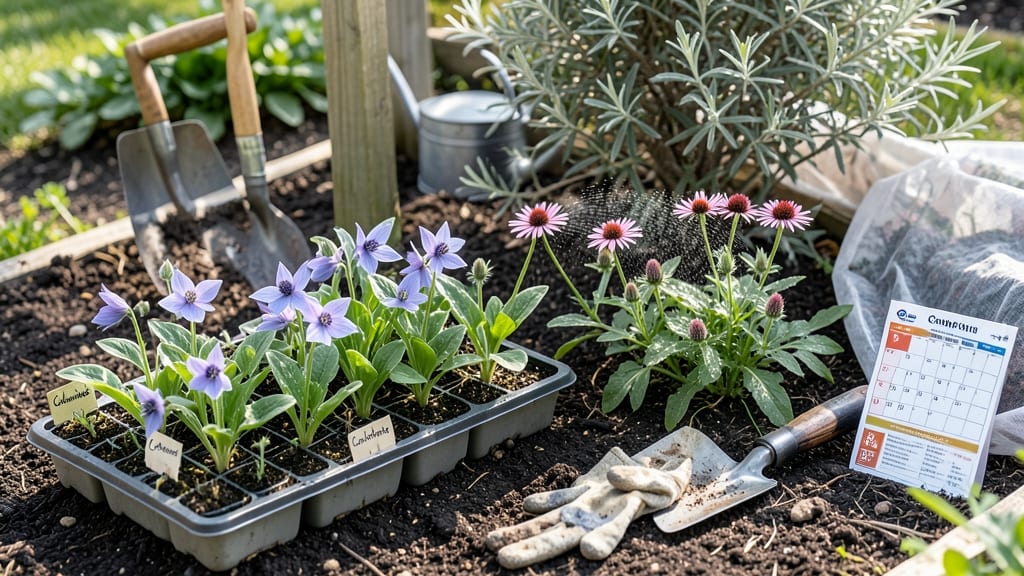
Planting a garden in Colorado means timing is everything—your last frost date shifts by hundreds of feet depending on elevation, and one wrong move could leave you with wilted seedlings or missed harvests.
Colorado’s diverse elevation zones create unique gardening challenges—plant too early, and frost will wipe out your seedlings; too late, and your harvest suffers. Timing is everything, but with the right frost-free date guide, you can maximize your garden’s potential.
In USDA zones 5-7, most gardeners wait until mid-April to May for spring planting, but high-altitude areas (like Denver or Colorado Springs) may need to push back until late May. Fall crops, meanwhile, thrive when planted in August or September before the first frost.
Below, I’ll break down the exact frost-free dates by elevation, the best crops for Colorado’s short season, and how to adjust for unpredictable weather—so you can grow a thriving garden without the guesswork.
Colorado’s frost-free dates by elevation zone: key planting windows
Colorado’s elevation variations create a gardening puzzle—what’s perfect for Denver’s Front Range may be too late for Grand Junction’s Western Slope or too early for the San Luis Valley.
Understanding your last frost dates is critical, as they determine when to plant cool-season crops like spinach and when to introduce warm-season favorites such as tomatoes. Each zone has its own rhythm, and missing it means risking frost damage or stunted growth.
For Front Range gardeners (5,000–7,000 ft), like those in Denver or Boulder, the average last frost date falls around May 1–15, but microclimates can shift this by weeks.
Meanwhile, Western Slope areas (4,000–6,000 ft), including Grand Junction or Durango, often see their last frost as early as April 15–May 1. The San Luis Valley (7,500–8,500 ft), with its cooler temperatures, typically waits until May 15–June 1.
Use this elevation-based guide to align your planting with Colorado’s frost-free windows. Warm-season crops like peppers and cucumbers need consistent warmth, so hold off until after your zone’s last frost.
Cool-season crops, such as kale and peas, can often handle light frosts and may even thrive when planted 4–6 weeks before the last expected frost.
In the Front Range, where Denver and Colorado Springs gardeners thrive, start cool-season crops like spinach and peas as early as March 15, but wait until May 15 for tomatoes and peppers.
The Western Slope, with its warmer microclimates, allows for earlier planting—radishes and lettuce can go in by February 15, while warm-season crops like cucumbers can start by April 30.
For high-altitude gardeners (8,000+ ft), such as those in Leadville or Aspen, the growing season shrinks dramatically. Here, cool-season crops like kale and carrots should be sown by April 1, and warm-season crops like beans and squash must wait until June 1 or risk frost damage.
The first frost in these areas can arrive as early as September 15, cutting the season short.
Adjust
How to adjust planting dates for Colorado’s unpredictable weather
Colorado’s weather can shift overnight—one day it’s 60°F and sunny, the next 20°F with frost. If you’re gardening in Denver, Colorado Springs, or above 9,000 ft, these swings make planting dates tricky.
The key is flexibility: using row covers, cold-hardy varieties, and hardening-off techniques to protect your garden from late frosts or early heat.
For example, in Denver (elevation 5,280 ft), the average last frost is April 25, but high-altitude areas like Leadville (9,800 ft) can see frost until June 1. Meanwhile, the Western Slope (e.g., Grand Junction) warms up earlier, with last frosts around March 25.
Adjusting your planting schedule based on your exact elevation saves your seedlings from frost damage.
Here’s the critical adjustment: Extend your season by starting cold-hardy crops indoors in March (like kale, spinach, and peas) and using floating row covers to shield tender plants.
For high-altitude gardens, opt for fast-maturing varieties (e.g., bush beans instead of pole beans) to ensure harvests before the first frost in October.
⚠️ Late Frost Warning
Never plant warm-season crops (tomatoes, peppers, cucumbers) before May 15 in Denver or Colorado Springs—even if soil looks warm. Use a soil thermometer; wait until it hits 50°F for 5+ days. For high-altitude areas, delay until June 1 to avoid frost.
Pro Tip: Set up a frost alarm or check the NOAA frost forecast weekly. If frost is predicted, cover plants with lightweight frost cloth or a plastic milk jug (cut in half) for protection.
Hardening off seedlings is another game-changer. If you started tomato or pepper plants indoors in March, begin hardening them off 2 weeks before transplanting. Place them outside for 2 hours on day 1, increasing time daily.
This toughens stems and leaves, so they survive temperature drops after moving to the garden.
For Colorado Springs (6,000 ft), focus on succession planting to stretch your harvest. Sow radishes (25 days to maturity) every 2 weeks from April to July, and plant fall lettuce in August for a late-season crop.
In high-altitude areas, prioritize cool-season crops like potatoes, carrots, and cabbage, which thrive in cooler temps.
Finally, monitor microclimates in your garden. A south-facing wall or raised bed warms up faster than open soil, allowing you to plant 2 weeks earlier in those spots. Use mulch to regulate soil temperature—straw or wood chips keep roots cool in summer and insulate against frost in spring.