
Planting
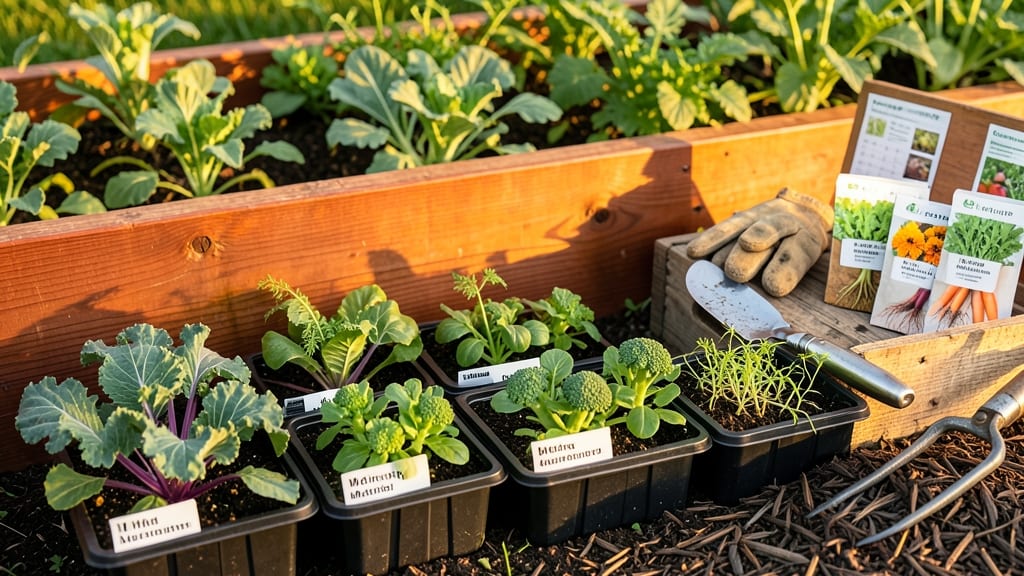
Planting your garden in Maine at the right time means the difference between a bountiful harvest and a sad, frost-nipped failure — and the timing hinges on knowing when to plant your 🌱 General Garden Vegetables & Plants for your specific zone.
Maine’s unpredictable frost dates can turn a gardener’s excitement into frustration—plant too early, and you risk losing your hard work to late frosts; too late, and your harvest won’t reach its full potential.
Timing is everything, but with the right frost-free timeline tailored to Maine’s unique zones, you can maximize your garden’s success.
In zones 5b-6b, most gardeners start cool-season crops like peas and spinach as early as mid-April, while warm-season favorites like tomatoes and peppers wait until late May or early June. This isn’t just about the calendar—soil temperature and microclimates play a role, too.
Below, I’ll break down the exact planting windows for your top crops, how to adjust for Maine’s quirks, and even when to replant if the weather throws you a curveball. Let’s get those seeds in the ground the right way.
Maine’s frost-free dates by planting Zone: key timelines for success
Maine’s gardening season hinges on understanding your USDA planting zone and the last average frost date for your area. With zones ranging from 4a to 6b, coastal regions like Bar Harbor (Zone 5a) often enjoy 2-3 weeks earlier frost-free dates than inland areas like Presque Isle (Zone 4a).
This variation means your planting timeline could shift by 30 days or more, making zone-specific planning essential for success.
For Zone 4 (northern Maine), the average last frost date falls around May 15, while Zone 6 (southern Maine) typically sees frost-free conditions by May 1. Coastal areas may reach these milestones 1-2 weeks earlier due to moderating ocean influences.
These dates mark the safe window for planting warm-season crops like tomatoes and peppers, which cannot tolerate frost.
Here’s how to use this timeline: Cool-season crops (e.g., spinach, peas, broccoli) should go in the ground 4-6 weeks before your last frost date. For Zone 5, that means early April for hardy greens.
Meanwhile, warm-season crops like tomatoes and squash need to wait until after your last frost, ideally when soil temperatures reach 60°F+.
🌱
In Zone 4, where winters are harshest, focus on early-maturing varieties like ‘Yukon Gold’ potatoes (harvest in 90 days) or ‘Early Girl’ tomatoes (harvest in 55 days). These varieties ensure you beat the first frost in October.
For Zone 6, you can afford slightly slower growers like ‘Brandywine’ tomatoes (harvest in 80 days) or ‘Butternut’ squash (harvest in 100 days).
Coastal gardeners in Zones 5-6 often enjoy longer growing seasons due to the Gulf Stream’s warming effect. For example, Bar Harbor (Zone 5a) may see 10-14 extra frost-free days compared to inland areas.
Use this advantage to plant heat-loving crops like eggplants or okra, which struggle in shorter inland seasons.
Pro tip: Soil temperature matters more than air temperature. Use a soil thermometer to confirm 60°F+ for warm-season crops. In Zone 4, this may not happen until June 1, even if the air feels warm earlier. For cool-season crops, aim for 40°F+ soil to ensure germination.
🌿
If you’re in Zone 5 or 6, consider succession planting to maximize your harvest. For example, sow radishes (25 days to harvest) every 2 weeks from April to July.
This strategy works even in Zone 4 for fast-growing greens like baby spinach or turnip greens. Always keep a planting journal
Best planting schedule for Maine’s top vegetables and flowers
Maine’s short growing season demands precision when planning your garden. The key is understanding which crops thrive in cool spring temperatures and which need warm summer soil to germinate.
For example, broccoli and peas can handle Maine’s chilly April soil, while tomatoes and peppers need to wait until after the last frost in late May or June. Even then, coastal areas like Portland often have 2-3 weeks earlier frost-free dates than inland spots like Bangor.
To stretch your season, I rely on row covers and cold frames for early starts and late finishes. These tools let me plant spinach in March under protection and extend my kale harvest into November. The secret?
Knowing your frost dates and adjusting planting windows by 2-4 weeks based on microclimates. Let’s break down the best times for Maine’s most beloved crops, so you can avoid the common mistakes of planting too early or too late.
- 1 April (Early Spring): Plant cool-season crops like peas, spinach, lettuce, and broccoli as soon as soil is workable (around 40°F). Use row covers for extra protection against late frosts.
- 2 May (After Last Frost): Transplant cold-hardy starts like cabbage, kale, and Brussels sprouts. Direct-sow radishes, carrots, and beets for quick harvests.
- 3 June (Warm Season Starts): Plant tomatoes, peppers, and squash once soil reaches 60°F+. Start blueberries and strawberries in containers for controlled growth.
- 4 July-August (Fall Prep): Direct-sow fast-growing crops like bush beans, lettuce, and spinach for a late-summer harvest. Use cold frames to extend root veggie growth into fall.
- 5 September (Don’t-Miss Crops): Plant garlic, onions, and hardy greens for early spring harvests. Strawberries can be planted in early September for next year’s fruit.
Don’t overlook high-value perennials like blueberries and strawberries, which thrive in Maine’s climate. I plant blueberry bushes in early June when the soil is warm, and they establish roots before winter.
For strawberries, June planting gives them time to develop before Maine’s first frost. These perennials reward patience with years of harvests and minimal replanting.
To extend your growing season, I use low tunnels and cold frames to protect tender crops. For example, I’ll cover spinach and lettuce with a floating row cover in early spring to jumpstart growth, and again in fall to delay frost damage.
This simple trick adds 3-4 weeks to both ends of the season, giving me two harvests of kale and carrots instead of one.
Pro tip: Keep a planting journal to track your frost dates and adjust future schedules. Maine’s climate shifts yearly, so what worked in 2023 might not in 2024.
By noting when your tomatoes ripened or your peas bolted, you’ll refine your timing each season. Happy planting—your future harvest depends on it! 🌱