
Tools
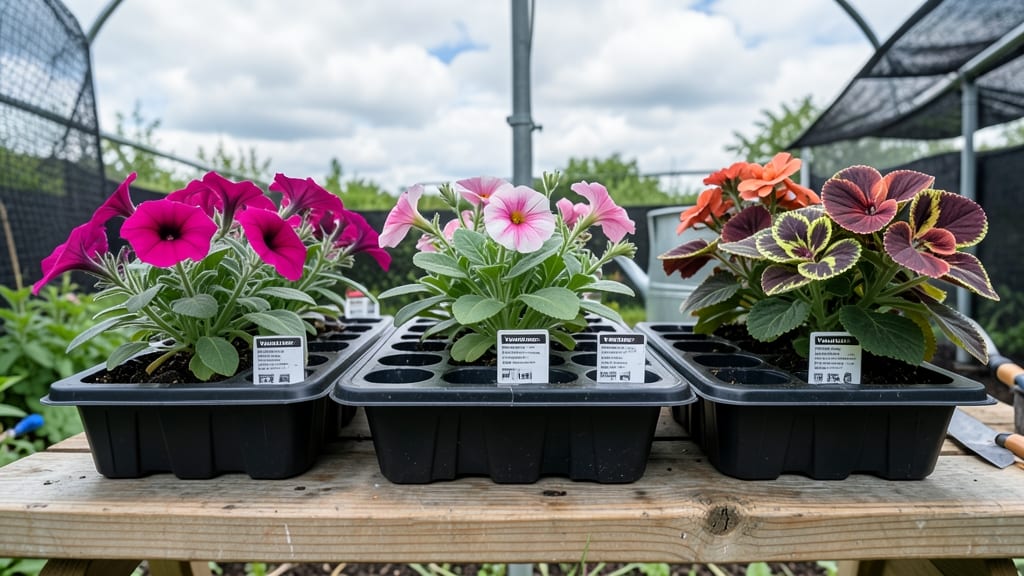
A garden nursery is a specialized facility where young plants—seedlings, cuttings, or saplings—are cultivated, nurtured, and sold to home gardeners, landscapers, or agricultural businesses before transplanting outdoors. These spaces provide controlled environments for healthy growth, often featuring greenhouses, shade houses, and expert care.
A garden nursery serves as the starting point for many plants' life journeys, offering more than just a place to buy seedlings. 🌱 These facilities focus on creating optimal growing conditions—whether through climate-controlled greenhouses or shade structures—that help young plants develop strong root systems and vibrant foliage.
I've seen nurseries specialize in everything from delicate annuals to hardy perennials, ensuring gardeners can find exactly what they need for their specific projects. The expertise here extends beyond sales to include advice on planting, care, and even troubleshooting common issues.
What sets nurseries apart is their ability to provide plants at the perfect stage of growth—neither too young nor overgrown—ready to thrive in home gardens. Many offer seasonal varieties that align with local climates, giving gardeners a head start on successful planting seasons.
Whether you're looking for native plants, heirloom vegetables, or ornamental trees, a well-stocked nursery becomes your go-to resource for all things green.
💡 In This Article
- How Garden Nurseries Support Plant Growth and Health
- Types of Garden Nurseries and What They Offer Gardeners
How garden nurseries support plant growth and health
Garden nurseries create microclimates tailored to each plant's needs through advanced growing structures. Greenhouses, for example, maintain temperatures between 65-85°F depending on the season, using double-layered polycarbonate panels that block 90% of harmful UV rays while allowing 75-80% light transmission—perfect for heat-sensitive seedlings like tomatoes or peppers.
The controlled humidity (typically 50-70%) prevents wilting while reducing fungal risks. 🌱 Shade houses, on the other hand, use 30-50% shade cloth to protect delicate plants from intense sunlight, creating ideal conditions for tropical species that would otherwise scorch.
The soil preparation in nurseries goes far beyond basic potting mix. Many use soilless growing mediums like peat moss, coconut coir, and perlite blends that retain 60-70% moisture while providing excellent aeration.
For container-grown plants, nurseries often incorporate slow-release fertilizers that deliver nutrients over 3-6 months, ensuring steady growth without overfeeding. The irrigation systems—often drip or misting—deliver water directly to roots, reducing leaf wetness that could attract pests like aphids or powdery mildew.
Some high-tech nurseries even use hydroponic or aeroponic systems for faster growth rates, particularly for herbs and leafy greens.
Pest management in nurseries relies on both preventive measures and early intervention. Many use beneficial insects like ladybugs or lacewings to control aphids naturally, while others apply neem oil sprays that disrupt insect life cycles without harming plants.
The key is monitoring—nurseries often employ sticky traps and pheromone traps to catch early signs of infestations before they spread. This proactive approach ensures that the plants sold are not only healthy but also free from hidden pests that could devastate home gardens. 🔍 The result?
Plants with strong root systems and vibrant foliage that can handle the shock of transplantation.
What most gardeners don't realize is how nurseries time plant production to match local growing seasons. For instance, cool-season crops like lettuce or broccoli are typically started indoors 8-12 weeks before the last expected frost, while warm-season plants like basil or cucumbers wait until soil temperatures reach 55°F before transplanting.
This careful scheduling means you're getting plants that are perfectly matched to your climate zone, with a much higher chance of thriving in your garden from day one.
The life cycle in a nursery begins with seed germination under precise conditions—often using heated mats that maintain 70-85°F soil temperatures for optimal sprouting. Once seedlings emerge, they're gradually hardened off (acclimated to outdoor conditions) over 7-14 days40%, ensuring you get plants that will establish quickly.
Consider how a nursery-grown tomato plant compares to one grown from seed at home: The nursery version has already developed a 4-6 inch root system and multiple fruit clusters, while a home-started seedling might still be struggling with its first true leaves.
This head start means the nursery plant can produce 30-50% more fruit in its first season—a tangible benefit of the nursery's controlled environment. The same principle applies to flowers, shrubs, and trees, where proper nursery care translates directly to faster establishment and longer lifespan in your landscape.