
Companion Plants
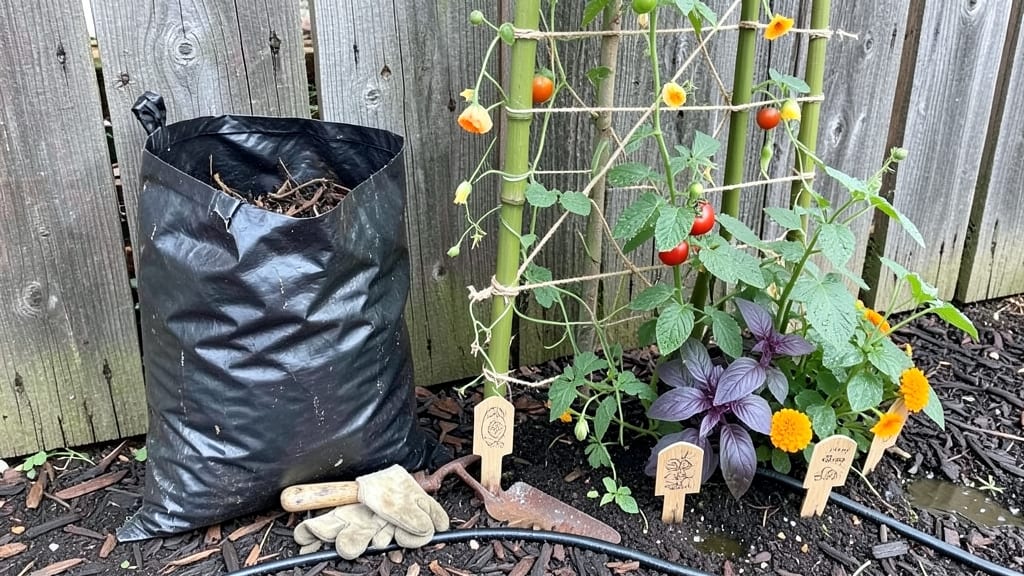
What to plant together in garden involves pairing compatible species like basil with tomatoes to deter pests or marigolds with vegetables to repel insects naturally. This strategic approach enhances soil health, boosts yields, and reduces the need for chemical treatments.
Companion planting works by leveraging natural relationships between plants—some attract beneficial insects like bees, others release scents that confuse pests, and a few even improve soil fertility through nitrogen fixation. 🌱 For example, planting onions near carrots deters carrot flies, while nasturtiums lure aphids away from your prized veggies.
The key is understanding which plants thrive together based on their growth habits and chemical interactions.
Beyond pest control, these pairings can also enhance flavor and growth. For instance, planting garlic near roses improves their scent and deters pests, while beans growing near corn provide shade and nitrogen to the soil.
The three-sisters method—corn, beans, and squash—is a classic example of how different plants can support each other's growth in a mutually beneficial system.
💡 In This Article
- How Companion Planting Works: Science of Beneficial Pairings
- Best Vegetable and Flower Pairings for Your Garden Layout
How companion planting works: science of beneficial pairings
The core principle behind companion planting lies in how plants interact chemically and biologically. Take the classic pairing of basil with tomatoes: basil emits a scent that repels thrips and whiteflies, while its dense foliage provides shade that reduces soil moisture loss around tomato plants.
This creates a pest-deterrent ecosystem where the basil acts as a natural insecticide without chemicals. 🌿 The mechanism involves volatile organic compounds (VOCs) like linalool and eugenol, which mask the tomato plant's natural attractants for pests.
Nutrient sharing is another critical mechanism. Plants like legumes (beans, peas) form symbiotic relationships with nitrogen-fixing bacteria in their roots, converting atmospheric nitrogen into forms usable by neighboring plants.
When planted near corn or squash, these legumes enrich the soil with up to 100-200 pounds of nitrogen per acre over a season—equivalent to a light fertilizer application.
This is why the Three Sisters method (corn, beans, squash) thrives: corn provides structure, beans feed the soil, and squash suppresses weeds.
Allelopathy plays a surprising role in some pairings. For example, marigolds release alpha-terthienyl, a compound that suppresses nematodes in the soil. Studies show marigolds can reduce nematode populations by 90% or more when planted near vegetables like tomatoes or potatoes.
The compound works by disrupting the nematode's feeding tubes, essentially starving them out. This natural pest control eliminates the need for chemical nematicides, which can harm beneficial soil microbes. 🌻
Pollinator attraction is often overlooked but equally important. Flowers like borage or nasturtiums draw bees and hoverflies, which then pollinate nearby vegetables. Research from the University of California found that gardens with 10% flowering plants had 30% higher fruit yields in tomatoes and cucumbers due to improved pollination rates.
The key is planting flowers at the same height as vegetables to create an "insect highway" that guides pollinators directly to your crops.
Scent masking is another clever natural defense. Onions and garlic release sulfur compounds that confuse pests like carrot flies, which rely on specific plant odors to locate their hosts. When planted near carrots, these alliums create a chemical camouflage that makes it difficult for flies to find their target.
This is why companion planting can reduce carrot fly damage by up to 75% without using pesticides. The same principle applies to planting rosemary near cabbage, which deters cabbage moths through its strong aromatic profile.
Finally, physical plant structures play a role. Tall plants like sunflowers provide shade that slows weed growth, while low-growing plants like thyme suppress weeds by outcompeting them for sunlight. This living mulch effect reduces the need for synthetic herbicides while improving soil moisture retention.
The result? Gardens with companion plantings often require 30-50% less weeding than monoculture plots. 🌱