
Planting
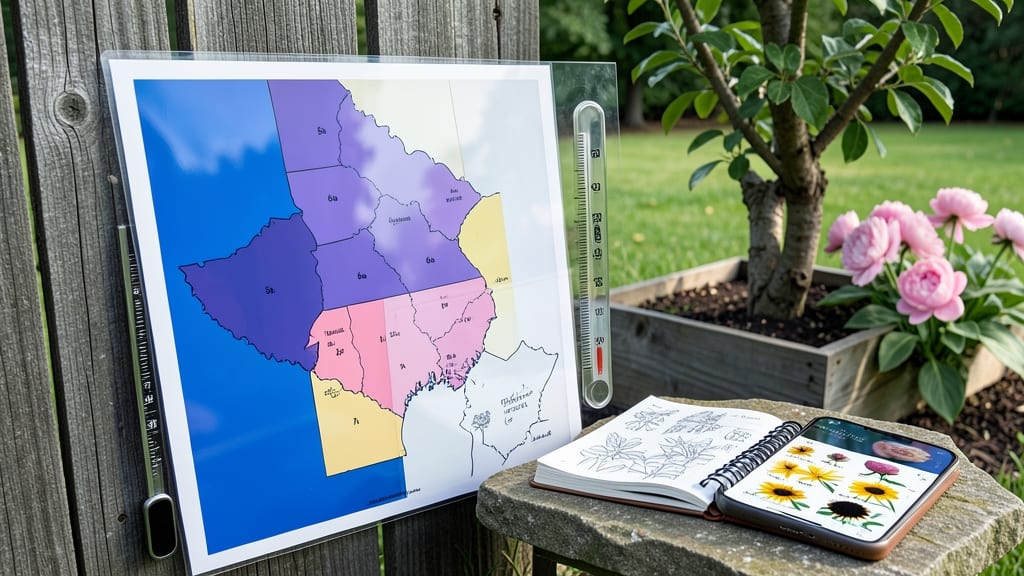
Pennsylvania's gardening zones range from USDA Zone 4 in the northern mountains to Zone 7 in the southernmost regions, with most areas falling in Zones 5 and 6. These zones reflect the state's varied climate—cold winters in the north and milder conditions in the south—that directly impact what plants thrive.
Understanding Pennsylvania's gardening zones helps you pick the right plants for your yard.
The state's elevation changes—from the Appalachian Mountains in the east to the flatlands near the Ohio border—create microclimates that shift frost dates by weeks. 🌱 For example, Pittsburgh sits in Zone 6b, while Philadelphia edges into Zone 7a, meaning you can grow citrus in the city but not in the Poconos.
I always recommend checking the USDA interactive map for your exact location, as even small differences can mean the difference between a thriving garden and a failed crop.
This zone variation also affects planting schedules. Zone 4 areas in the north have shorter growing seasons, so cold-hardy vegetables like kale and broccoli become staples, while Zone 7 gardeners can experiment with tender perennials like lavender or bougainvillea.
The key is matching your zone to plants that can handle your last spring frost and first fall freeze—typically late May to early October in most of the state.
💡 In This Article
- USDA Plant Hardiness Zones in Pennsylvania: Statewide Breakdown
- Best Plants for Pennsylvania’s Mixed Gardening Zones
USDA plant hardiness zones in Pennsylvania: statewide breakdown
Pennsylvania's diverse geography creates its wide range of gardening zones. The northern mountains, including the Poconos and Erie region, dip into Zone 4, where average annual minimum temperatures hover around -30°F to -20°F.
Meanwhile, the southern tier near Delaware and Maryland edges into Zone 7, with winters rarely dropping below 0°F.
This variation occurs because elevation plays a massive role—every 1,000 feet gain in altitude roughly equals a 1°F drop in temperature, creating cooler microclimates in higher elevations like the Allegheny Plateau.
The state's latitude also contributes to this gradient. Southern Pennsylvania receives more solar radiation and benefits from the Gulf Stream's moderating influence, while northern areas face harsher continental climates.
Even within cities, urban heat islands can shift zones by half a letter—Philadelphia's downtown might be Zone 7a (-5°F to 0°F), while nearby suburbs could be 6b (5°F to 10°F).
These microclimates explain why your neighbor's garden might thrive with plants that struggle in yours, even just a few miles away. 🌡️
Frost dates are the practical translation of these zones. In Zone 4 areas, the last spring frost typically occurs around May 15, while Zone 7 regions can plant as early as March 15.
The first fall frost follows a similar pattern—October 1 in the north versus November 15 in the south. This 6-8 week difference in growing season length dramatically affects what you can cultivate.
For example, tender basil might survive until October 10 in Zone 6 but could bolt by September 15 in Zone 5.
To pinpoint your exact zone, use the USDA interactive map, which accounts for these variables. Simply enter your address to see your specific zone designation (like 6a or 5b) and average frost dates.
The map even shows nearby zones, helping you understand why your friend's garden in the next valley might support different plants. For maximum accuracy, observe your own yard's frost patterns for 3-5 years—local topography can create unique conditions even within the same zone.
What most gardeners don't realize is how these zones interact with soil conditions. Northern Pennsylvania's cooler temperatures often mean slower soil warming in spring, delaying planting by 2-3 weeks compared to southern regions. Meanwhile, southern areas may experience heat stress in summer, requiring shade-tolerant varieties.
This is why cold-hardy vegetables like potatoes and kale thrive statewide, while heat-sensitive crops like okra or sweet potatoes are limited to Zones 6-7.
For practical application, consider these zone-specific examples: In Zone 4, hardy perennials like coneflowers and black-eyed Susans return yearly, while Zone 7 gardeners can grow olive trees and citrus with winter protection. The transition zones (5-6) offer the most flexibility, supporting both cold-tolerant and marginally hardy plants.
Understanding these patterns lets you create a garden that thrives year after year with minimal trial and error. 🌿