
Blooming
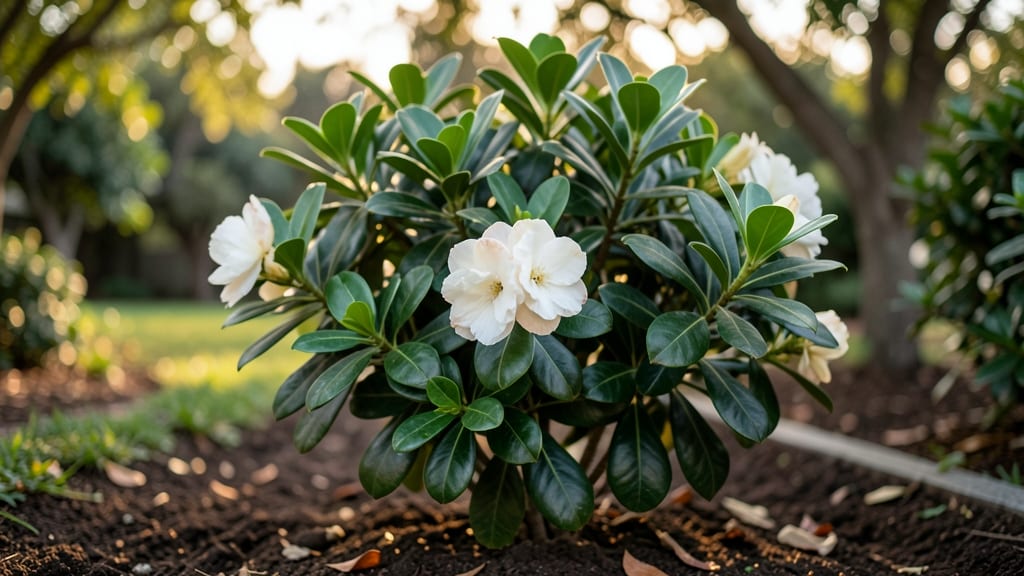
Gardenias bloom in North Carolina primarily from late May through July, though timing varies by variety—early bloomers like 'Kleim’s Hardy’ may start in May, while late-season types like 'Radicans’ extend into August. Climate and planting location influence exact dates.
North Carolina's varied climate creates a beautiful progression of gardenia blooms across the state. 🌸 In the warmer Coastal Plain regions, you might catch early blooms as soon as late April, while mountain areas typically see their peak in June or July.
The key to encouraging consistent blooming lies in proper planting—gardenias thrive in well-draining, acidic soil with partial shade, especially in the hotter Piedmont region. I've found that mulching heavily in winter helps protect roots from temperature swings that can delay spring blooming.
What many gardeners don't realize is how crucial winter chilling hours are—most gardenias need 150-300 hours below 45°F to trigger spring blooms. This explains why some varieties bloom later in the cooler Appalachian foothills compared to the warmer eastern plains.
For those wanting continuous color, planting a mix of early, mid, and late-season varieties creates a stunning sequential display from May through September.
💡 In This Article
- Factors Affecting Gardenia Bloom Times in NC
- Best Gardenia Varieties for North Carolina’s Blooming Schedule
Factors affecting gardenia bloom times in NC
North Carolina's climate spans USDA zones 7b through 8a, creating distinct bloom windows across regions. In the warmer Coastal Plain (zone 8a), gardenias often begin flowering as early as late April, while the Piedmont (zone 7b) typically sees blooms starting in late May.
This 2-3 week difference occurs because cooler mountain areas require more time to reach the 65-75°F daytime temperatures needed for bud formation. The state's humidity also plays a role—Coastal areas maintain higher moisture levels year-round, which gardenias prefer for consistent blooming.
Sunlight exposure creates another critical factor. Gardenias thrive in morning sun and afternoon shade, particularly in NC's intense summer heat. Too much direct afternoon sun can cause buds to drop before opening, while insufficient light delays flowering.
In the Piedmont region, where summer temperatures often exceed 90°F, afternoon shade is especially vital. I've observed that gardenias planted under high-canopy trees bloom 2-4 weeks later than those with filtered light, as the cooler microclimate slows metabolic processes.
Soil pH is non-negotiable for gardenias—they demand acidic soil (5.0-6.5 pH). North Carolina's native soils often lean alkaline, particularly in the Piedmont, which can stress gardenias and delay blooming.
Amending with sulfur or peat moss can adjust pH, but even then, blooms may be sparse until roots establish in properly acidic conditions. The state's clay-heavy soils in the Coastal Plain also require well-draining amendments to prevent root rot, which can further postpone flowering by 3-6 weeks.
Winter chilling hours represent the most overlooked factor. Most gardenia varieties need 150-300 hours below 45°F annually to trigger spring blooms. In western NC's higher elevations, these chilling requirements are often met naturally, while the Coastal Plain may need artificial chilling (like winter mulching) to compensate.
This explains why some gardeners in the eastern part of the state report later or fewer blooms—their plants aren't getting sufficient winter dormancy signals. 🌸
Consider these regional microclimates when planning your gardenia display:
- Coastal Plain: Warmer winters (30-50°F lows), earlier blooms (late April-June), but higher humidity requires better air circulation
- Piedmont: Hotter summers (90-95°F peaks), needs afternoon shade, blooms peak in June-July
- Mountains: Cooler summers (75-85°F avg), extended blooming into August-September, but shorter growing season
For gardeners in transition zones (like the Sandhills), I recommend selecting varieties with moderate chilling requirements (200-250 hours) to bridge the climate gap. The right variety choice can advance bloom times by 2-3 weeks in marginal areas. 💫