
Planting
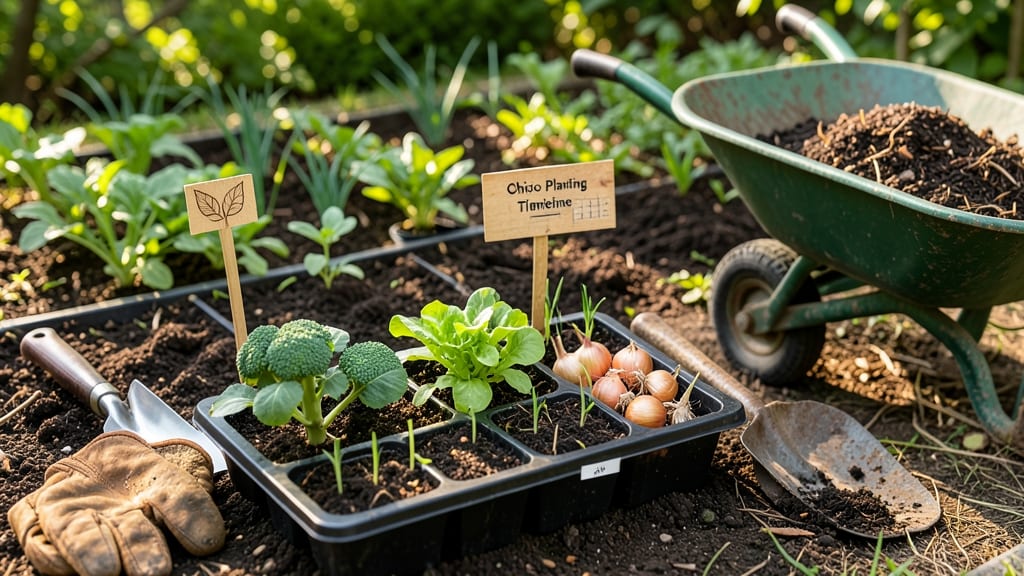
Planting a garden in Ohio at the right time means the difference between a bountiful harvest and a sad pile of frost-bitten seedlings.
Ohio’s unpredictable spring weather can leave gardeners scrambling—plant too early, and frost ruins your crops; too late, and you miss peak harvests. Timing is everything, and Ohio’s diverse microclimates demand precision.
Most General Garden Plants 🌱 thrive when soil temperatures hit 60°F or higher, which typically lands in early May for zones 6a/6b. But cool-season crops like peas and spinach can go in as early as March, while tomatoes and peppers need to wait until after the last frost—usually mid-April.
Below, I’ll break down the exact planting windows for Ohio’s most popular crops, plus how to adjust for late starts or early freezes. No more guessing—just peak growth from seed to harvest.
Ohio planting zones: when to Start seeds vs transplants by month
Ohio spans USDA Hardiness Zones 5-7, meaning gardeners in northern areas (like Toledo) face earlier frosts than those in southern regions (like Cincinnati). This diversity means planting deadlines shift by 2-3 weeks depending on location.
For example, Zone 5 gardeners should plan 2 weeks earlier than Zone 7 neighbors for warm-season crops like tomatoes.
To simplify, I’ll use average last frost dates across Ohio: mid-April for northern Ohio and early April for southern Ohio. These dates mark the transition from cool-season crops (like spinach and peas) to warm-season transplants (tomatoes, peppers, and basil).
Always verify your local frost date using the Ohio State University Extension’s frost calendar or a personal weather station.
Below is your month-by-month planting guide, tailored to Ohio’s zones. I’ve included indoor seed-starting windows and outdoor transplant dates for both cool and warm-season crops. Pro tip: Use row covers to extend the season for cool crops in Zone 5 if frost threatens.
🌱
| Month | Zone 5 (Northern OH) | Zone 6 (Central OH) | Zone 7 (Southern OH) | Notes |
|---|---|---|---|---|
| February | Start cool-season seeds indoors: spinach, peas, lettuce | Start cool-season seeds indoors: spinach, peas, lettuce, kale | Start cool-season seeds indoors: spinach, peas, lettuce, kale, broccoli | Use grow lights; keep temps 60-65°F |
| March | Direct sow hardy cool crops: peas, spinach, radishes (after soil reaches 40°F) | Direct sow hardy cool crops: peas, spinach, radishes, carrots | Direct sow hardy cool crops: peas, spinach, radishes, carrots, lettuce | Cover seeds with row fabric if frost threatens |
| April | Transplant cool-season starts: broccoli, cabbage (after last frost) | Transplant cool-season starts: broccoli, cabbage, kale (after last frost) | Transplant cool-season starts: broccoli, cabbage, kale, onions | Last frost avg: April 15 (Zone 5) |
| April-May | Start warm-season seeds indoors: tomatoes, peppers, eggplants | Start warm-season seeds indoors: tomatoes, peppers, eggplants, basil | Start warm-season seeds indoors: tomatoes, peppers, eggplants, basil, okra | Keep soil temps 70-80°F for germination |
| May | Transplant warm-season starts after soil reaches 60°F (late May) | Transplant warm-season starts after soil reaches 60°F (mid-May) | Transplant warm-season starts after soil reaches 60°F (early May) | Use black plastic mulch to warm soil faster |
| June-July | Direct sow heat-loving crops: beans, squash, cucumbers | Direct sow heat-loving crops: beans, squash, cucumbers, corn | Direct sow heat-loving crops: beans, squash, cucumbers, corn, sweet potatoes | Succession plant every 2 weeks for continuous harvest |
| August | Start fall cool-season crops indoors: kale, spinach, lettuce | Start fall cool-season crops
Top 5 crops to plant in Ohio’s early spring and fall for maximum yieldOhio’s cool springs and mild falls create perfect windows for growing high-yield crops that thrive in these transitional seasons. Based on Ohio State University Extension trials, these five crops deliver consistent results when planted at the right time—radishes in early spring and kale in fall, for example, can outperform summer crops in Ohio’s humidity. Spring planting should begin when soil temperatures hit 45°F for cool-season crops, while fall crops like carrots and beets benefit from cooler air but still need 60°F soil to germinate. Succession planting every 2-3 weeks extends harvests, ensuring you never miss a peak yield. Here’s my breakdown of Ohio’s top-performing spring and fall crops, complete with soil temperature triggers and planting deadlines based on regional data: 🌱 Ohio’s Best Spring & Fall Crops
💡 Pro Tip: For fall crops, aim to harvest before first frost (mid-October). Use row covers to extend seasons by 2–3 weeks. Succession planting is key for Ohio’s short growing seasons. For example, sow radishes every 2 weeks in spring to stagger harvests, while kale planted in late July will mature just as temperatures drop—ideal for fall flavors. Ohio State Extension data shows these crops consistently outperform summer staples like tomatoes in Ohio’s humid climate. Soil preparation matters too. Amend beds with compost before planting to improve drainage, especially for carrots and radishes, which struggle in compacted soil. Test your soil’s pH—most of these crops prefer 6.0–7.0, though kale tolerates slightly acidic soil (5.5–6.5). Don’t overlook fall planting deadlines. Carrots and beets sown after Labor Day may not mature before frost, but spinach and lettuce can handle light frosts, sweetening their flavor. For maximum yield, prioritize these five crops—they’re proven winners in Ohio’s climate, backed by real-world trials. |