
Fertilization
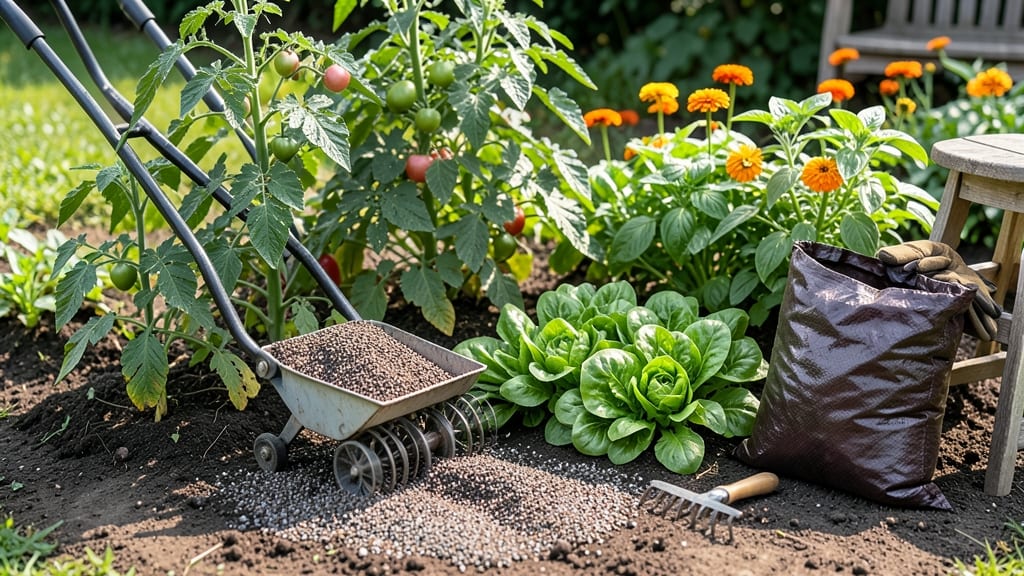
You should fertilize your garden at the right times to fuel growth without wasting nutrients or burning plants—timing is everything for a thriving plot.
Timing your garden fertilization wrong can mean wasted nutrients—or even stunted plant growth. But get it right, and you’ll unlock explosive blooms, bountiful harvests, and lush foliage all season long.
Most gardeners feed their 🌱 in spring to kickstart growth, but vegetables like tomatoes and peppers need extra nitrogen mid-season, while flowers benefit from a light fall boost. Regional climate plays a role too—cooler zones may delay feeding until after the last frost.
Below, I break down the exact months to fertilize by plant type, how to read your soil’s hunger signals, and the best fertilizers for each stage—so you never over- or under-feed again.

The best fertilization schedule by plant type and growth stage
Fertilizing your garden at the wrong time is like watering a plant only when it’s already wilting—you’re playing catch-up instead of setting your plants up for success. The key to maximum growth lies in understanding plant-specific needs and aligning fertilization with their natural growth cycles.
For example, leafy greens thrive with nitrogen-heavy feeds early in the season, while root vegetables need phosphorus-focused fertilizers as they mature. Let’s break down the science-backed schedule so you can feed your garden like a pro.
Most gardeners make two critical mistakes: over-fertilizing in spring when plants are just waking up, or skipping feeds during peak growth phases. The truth? Timing matters more than quantity.
A balanced fertilizer applied at the right moment—like when tomatoes set fruit or roses begin budding—can double your yields without burning plants. Think of fertilization as a three-act play: preparation (early season), performance (growth phase), and recovery (post-harvest).
🌱
Take tomatoes, for instance. They need a phosphorus boost when flowers appear to encourage fruit set, but too much nitrogen at that stage will leave you with leafy monsters and no tomatoes.
My go-to trick is to side-dress with a 5-10-5 fertilizer when the first blossoms open—this ensures energy goes to fruit production, not just foliage. Similarly, roses respond best to a potassium-rich feed in late summer to harden them up for winter.
For leafy greens like lettuce
How to tell when your garden Really Needs Fertilizer (Not Just a Guess)
Your garden’s health speaks volumes before you even check the soil. Yellowing leaves on the bottom of your tomato plants or stunted growth in your basil might seem like normal aging, but they’re often screaming for nutrients.
I’ve seen gardeners overlook these signs, only to waste fertilizer—or worse, burn their plants—by guessing when to feed.
Over-fertilizing is just as damaging as neglect. Brown leaf edges or excessive foliage with no flowers mean your plants are drowning in salts and nutrients. The key is learning to read your garden’s subtle cues and confirming with a simple soil test. Let’s decode what your plants are really saying.
When to Fertilize: Signs vs. Risks
- Pale yellow leaves (nitrogen deficiency)
- Slow growth despite good sunlight
- Small, weak stems or sparse foliage
Test soil first. Use balanced fertilizer (10-10-10) or compost in spring/early summer.
- Brown leaf edges (fertilizer burn)
- Excessive leafy growth with no blooms
- White crust on soil surface (salt buildup)
Flush soil with water. Wait 4–6 weeks before re-fertilizing.
Start by inspecting your plants from the bottom up. Older leaves turning yellow or purple often signal nitrogen or phosphorus shortages. For example, my peppers once had purple stems—turns out they needed phosphorus for root growth. A quick fix of bone meal (high in P) revived them in weeks.
Don’t ignore the roots’ whispers either. Dig gently near the base of your plants. If roots look thin and sparse instead of thick and white, it’s time to feed.
I once thought my carrots were stunted because of poor soil, but a soil test revealed a potassium deficiency. A dose of greensand (potassium-rich) saved my harvest.
For lawns and perennials, watch for patchy growth or weeds outcompeting your plants. These are classic signs of nutrient starvation. In my USDA Zone 6a garden, I fertilize perennials in early spring (March) and again in late summer (August) to prep for winter.
Over-fertilizing in fall can lead to fungal issues when temps drop.
Remember: Less is often more. I’ve learned that slow-release fertilizers or compost tea are gentler than synthetic granules. And always water deeply after fertilizing to help nutrients reach the roots—not just the surface. Your garden will thank you with vibrant blooms and bountiful yields all season long. 🌿