Picking
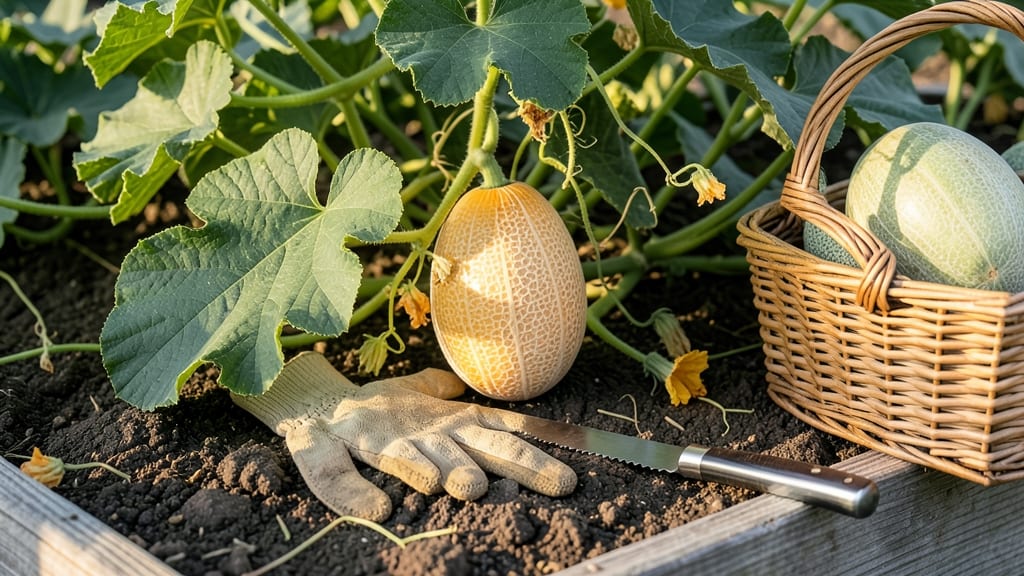
Harvesting cantaloupe from your garden at the right moment means the difference between a melon so sweet it melts in your mouth and one that’s bland or even mealy.
Picking too early means wasting hours of garden care, while waiting too long risks overripe fruit that’s past its prime. But with the right cues—like that creamy yellow rind, a sweet blossom-end aroma, and a slight give when you twist—the harvest becomes foolproof.
In this guide, I’ll walk you through the three unmistakable signs of perfect ripeness, plus how to avoid common mistakes that even experienced gardeners make. Whether you’re in Zone 6a or beyond, these tips ensure your 🍈 cantaloupe is harvested at peak flavor.
You’ll also learn the best time of day to pick and how temperature swings can trick your melons into ripening faster—or slower—than expected. No more guesswork, just juicy, ripe cantaloupe every time.


3 Visual signs your cantaloupe is ripe for harvesting
Harvesting cantaloupe at the perfect moment transforms your garden labor into sweet, juicy rewards. But how do you know when that moment arrives? Unlike some fruits, cantaloupe doesn't ripen well after picking, so timing is everything.
These three foolproof visual cues will help you determine exactly when your melons are ready to harvest.
First, pay attention to the rind color—this is your most obvious clue. A ripe cantaloupe develops a creamy yellow or tan hue on the side that faced the ground. If the rind still looks dull green or white, it's not ready yet.
The blossom end (the side with the stem) should also change color, turning from white to a pale yellow or tan.
Here’s how to check these signs with absolute confidence:
-
1. Rind Color Change
Look for creamy yellow or tan patches on the ground-facing side. Avoid green areas—they signal underripe fruit. -
2. Blossom End
The stem end should turn pale yellow or tan and feel slightly soft when pressed. A hard, green blossom end means it’s not ready. -
3. Sweet Aroma
Give the blossom end a sniff—it should emit a strong, sweet, musky scent. No smell? Wait a few days.
Don’t overlook the stem and vine—they hold critical clues too. A ripe cantaloupe’s stem will dry out and turn brown, almost like it’s papery. If the stem is still green or moist, the fruit needs more time.
Gently wiggle the melon while holding the vine—if it slips free with minimal effort, it’s ready to pick. If it resists, leave it on the vine for another day or two.
Texture is another game-changer. A ripe cantaloupe feels slightly soft when gently squeezed near the blossom end, almost like giving a firm handshake. If it feels rock-hard or spongy, it’s either underripe or overripe.
Pro tip: Press near the blossom end, not the stem end, where the fruit can feel deceptively firm even when ripe.
One common mistake gardeners make is harvesting based on size alone. Some cantaloupes stay small but become incredibly sweet, while others grow large but remain bland. Always prioritize the visual and scent cues over size.
For example, a cantaloupe that’s 4-6 inches in diameter with the right color and aroma is far better than a 7-inch melon that’s still green inside.
Environmental factors can also trick you into thinking a cantaloupe is ripe when it’s not. Hot, dry weather can cause the rind to turn yellow prematurely, while cool, cloudy days might delay ripening.
If your cantaloupes aren’t showing these signs by 75-90 days after planting, check for pests, water stress, or nutrient deficiencies. A healthy vine produces the sweetest fruit, so ensure your plants are thriving before relying solely on visual cues.
Once you’ve confirmed all three signs—color, scent, and texture—it’s time to harvest! Use a sharp knife or pruners to cut the stem, leaving about 1-2 inches of stem attached. This helps the fruit ripen slightly after picking and prevents bruising.
Store your freshly harvested cantaloupes in a cool, dry place (around 50-55°F) for up to a week, or enjoy them immediately for peak flavor.
Mastering these visual cues ensures you’ll never waste another cantaloupe again. Next time you’re in your garden, take a moment to sniff, squeeze, and observe—your taste buds will thank you! 🍈
How to test cantaloupe ripeness beyond the basics
When visual cues like rind color and blossom-end scent seem clear-cut, some cantaloupes still fool even experienced gardeners. That’s where advanced techniques come in. The thump test, weight assessment, and vine inspection reveal hidden clues that prevent underripe or overripe melons from ending up in your kitchen.
These methods work especially well when environmental factors—like unpredictable heat waves or late-season humidity—throw off traditional ripeness signals.
For instance, a cantaloupe might pass the color test but still feel hollow when tapped, signaling it’s overripe. Or a melon could smell sweet but weigh unusually light for its size, hinting at poor development.
Mastering these techniques ensures you harvest cantaloupes at their absolute peak, every single time. Let’s dive into the three most reliable advanced tests that go beyond what meets the eye.
Hot, dry spells can trick cantaloupes into turning yellow prematurely, while cool mornings may delay scent development. If your melons show color changes but no aroma, wait 2-3 more days—they’re not ready yet. Overripe cantaloupes lose sweetness and develop a fermented smell, so act fast when you spot these signs.
The thump test is a game-changer for detecting overripe cantaloupes. Hold the melon in one hand and give it a firm tap with your knuckles near the blossom end. A ripe cantaloupe will sound solid with a slight hollow echo, almost like a drum.
If it feels dull or hollow, the flesh is likely mushy or fermented. This test works best when combined with the weight check: a ripe cantaloupe should feel heavy for its size, indicating juicy, well-developed flesh. A light melon often means it’s underripe or water-stressed.
Next, inspect the vine attachment for subtle clues. A ripe cantaloupe’s stem should separate cleanly with a gentle twist, leaving a small dimple where it was attached. If the stem tears or resists, the fruit isn’t ready.
Pay attention to the vine’s overall health too—wilting or yellowing leaves can signal stress, which affects ripening. In Zone 6a, where summers can be erratic, this vine check is especially critical, as temperature swings often disrupt normal ripening patterns.
Environmental factors like high humidity or late-season heat can create misleading ripeness signals. For example, cantaloupes in humid climates may develop a sweet scent but remain firm and underripe inside.
To troubleshoot, combine the thump test with a scent check: if the blossom end smells sweet but the melon feels hard, it needs more time. Conversely, if the scent is sour or fermented, harvest immediately—overripe cantaloupes spoil quickly.
Pro tip: Harvest in the early morning when temperatures are coolest. This reduces stress on the vine and ensures the melon’s natural sugars are at their peak. Store harvested cantaloupes in a shady, well-ventilated spot for up to 3 days to let residual sugars develop.
Avoid refrigerating them until fully ripe, as cold temperatures can dull their flavor.
By mastering these advanced techniques, you’ll never second-guess cantaloupe ripeness again. The next time you’re in your garden, take an extra moment to thump, twist, and weigh—your taste buds will reward you with melons that are perfectly sweet, juicy, and at their prime. 🍈