
Picking
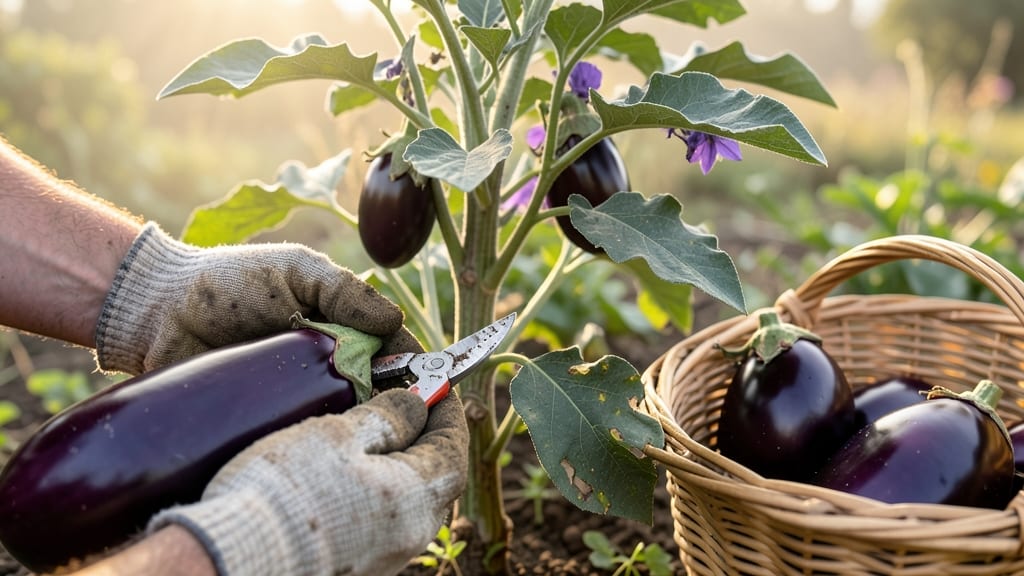
Knowing when to pick eggplant in the garden ensures you get the best flavor, texture, and yield—but spotting the perfect moment can be tricky.
Picture this: you’ve nurtured your 🍆 plants all season, and now the fruits are growing fast. But if you harvest too early, they’ll be bitter and seedy, and if you wait too long, they’ll turn spongy and overripe.
The key is spotting those perfect signs of ripeness before they slip away.
Eggplant typically reaches peak ripeness in late summer to fall, depending on your climate zone. In Zone 6a, that usually means July through October, but regional variations matter—cooler areas may need to pick earlier, while warmer zones can stretch the season.
In this guide, I’ll break down the exact color, size, and firmness cues to look for, plus the best time of day to harvest.
You’ll also learn how to adjust for early or late harvests and what to do if you miss the window—so you can enjoy homegrown eggplant at its finest.
How to identify perfectly ripe eggplant by color, size & texture
Picking eggplant at the right moment transforms your garden harvest from good to exceptional. The key lies in combining visual cues with simple tactile tests—because even the most experienced gardeners can misjudge ripeness if they rely on just one method.
Let’s break down how to spot that perfect, glossy eggplant ready for your kitchen (or market!)
Eggplant ripeness starts with color consistency. Most varieties develop a deep, uniform hue—whether purple-black, white, or striped—without any lingering green at the stem. Uneven coloring or pale patches signal underripe fruit.
For example, Black Beauty should turn glossy and deep purple, while Ichiban will show bright white with no green undertones.
Size matters too! Most eggplants reach their full potential between 6-12 inches long, depending on the variety. Dwarf types like Fairy Tale stay small (4-6 inches), while standard varieties grow larger.
Overlooking size means you might pick eggplant that’s still growing—or worse, let it become seedy and bitter on the vine.
Here’s your quick reference for ripeness at a glance:
| Ripeness Cue | What to Look For | Action |
|---|---|---|
| Color | Deep, uniform hue (no green at stem) | Pick when fully colored |
| Size | 6-12 inches (varies by variety) | Harvest before it grows too large |
| Texture | Glossy skin, firm but yields to gentle twist | Twist stem—it should snap cleanly |
| Stem Test | Stem snaps easily at base (no resistance) | Harvest immediately if it passes |
| Sunlight Effect | More sun = deeper color and sweeter flavor | Prioritize sun-exposed fruit |
Texture is where many gardeners stumble. A ripe eggplant should feel firm but not hard—like a slightly overripe avocado. Press gently: if it leaves a deep dent, it’s overripe. If it feels spongy, it’s underripe.
The stem twist test is foolproof: grasp the eggplant near the stem and twist gently. If the stem snaps cleanly (no resistance), it’s ready to pick. If it pulls away with effort, wait a few days.
Sunlight plays a sneaky role in ripeness. Eggplants grown in full sun (6+ hours daily) develop deeper color and sweeter flesh faster than those in partial shade. If your plants are in a shadier spot, their fruit may take 10-14 extra days to ripen.
This is why container-grown eggplants often need more frequent checks—they might ripen unevenly due to varying light exposure.
Common mistakes? Picking eggplant that’s still green at the stem (underripe) or letting it turn yellowish-brown (overripe). Overripe eggplants develop a mealy texture and bitter taste, while underripe ones are tough and seedy. Both are avoidable with regular inspections—check your plants every 2-3 days once they start flowering.
Pro tip: Harvest in the morning when temps are cooler. This reduces stress on the plant and keeps your eggplant fresher longer. Use a sharp knife or pruners to cut stems, leaving a 1-inch stub to prevent disease.
And here’s a secret—smaller, frequent harvests encourage your eggplant to produce more fruit all season!
Now you’re ready to pick like a pro. The next time you spot that glossy, firm eggplant, you’ll know it’s time to celebrate—your garden just delivered a flavor-packed victory.
Best time of day and season to harvest eggplant for maximum flavor
Timing is everything when harvesting eggplant—picking at the wrong time of day or season can turn your hard work into bitter, seedy disappointment. The best time of day to harvest is early morning, when temperatures are cooler and the fruit is firmest.
This reduces stress on your plants and keeps your eggplant fresher for longer storage or immediate use.
Seasonally, eggplants thrive in warm weather, with peak harvest windows varying by climate. In temperate zones (like USDA Zone 6a), aim for late summer through early fall (July-October). Warmer regions can extend harvests into November, while cooler climates may need to pick by September to avoid frost damage.
Understanding your local frost dates is critical—eggplants cannot tolerate frost and will turn mushy if exposed to cold.
- 🌞 Morning Harvests: Best time of day (6-9 AM) for firmest fruit and minimal plant stress
- 🌡️ Seasonal Windows: Temperate zones: July-October | Tropical zones: Year-round (peak in rainy seasons)
- ❄️ Frost Alert: Harvest before first frost (eggplants die at 32°F/0°C)
- 🌱 Early Harvests: If planted late, use row covers to extend season by 2-3 weeks
- 🌅 Evening Picks: Only in extreme heat—harvest by 6 PM to prevent wilting
- 🌱 Container Adjustments: Potted eggplants ripen faster—check every 2-3 days
- 📅 Seasonal Calendar: Start harvesting 75-100 days after transplanting (varies by variety)
For gardeners in tropical climates, eggplants can produce fruit year-round, though yields peak during warmer, wetter months. In these regions, focus on rainy seasons when humidity supports faster growth.
If you're in a cooler microclimate (like high elevations), consider starting seeds indoors 8-10 weeks before your last frost date to give plants enough time to mature before temperatures drop.
Pro tip: If your eggplants are ripening too slowly, try these adjustments: - Increase sunlight exposure (eggplants need 6+ hours daily) - Use mulch to maintain consistent soil temperatures - Fertilize lightly with potassium-rich compost to boost fruit development Regular harvesting actually encourages more production—so don't wait too long between picks!
Remember that smaller, frequent harvests lead to better flavor and more abundant yields. By mastering these timing cues, you'll transform your eggplant harvest from hit-or-miss to consistently delicious. The next time you see that glossy purple fruit, you'll know exactly when to reach for your pruners—morning, season permitting!