
Picking
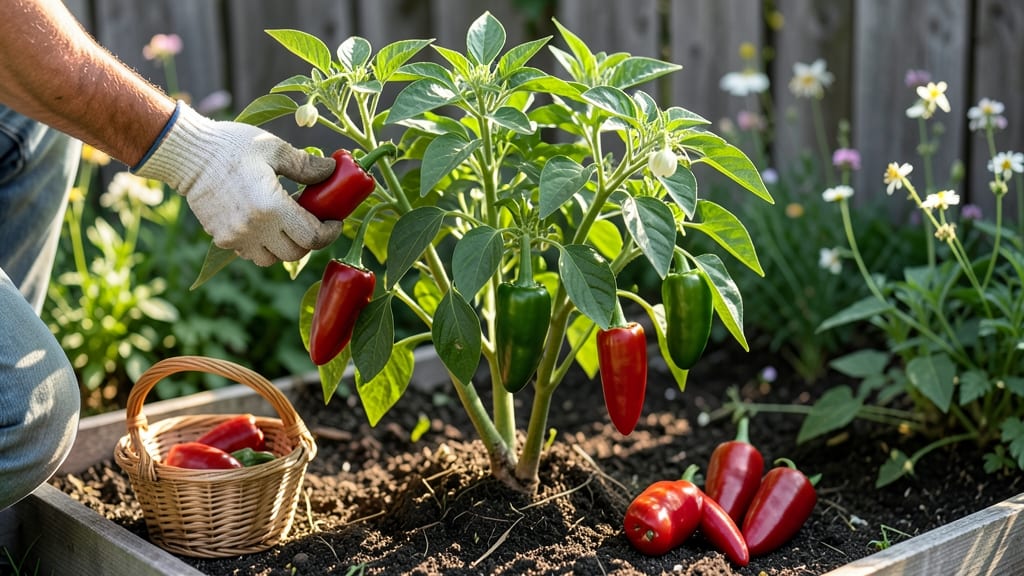
To pick garden salsa peppers at their peak heat and flavor, timing is everything—wait too long and you lose crispness, harvest too soon and the spice fizzles out.
Picture this: you’ve nurtured your 🌶️ Salsa Pepper plants all season, and now the moment of truth arrives. The secret to unlocking that bold, fiery flavor lies in recognizing the exact ripeness stage, whether it’s the deep green of a jalapeño or the fiery red of a habanero.
One wrong move, and your salsa could taste bland or overripe.
Below, I’ll walk you through the color-coded ripeness chart, the five key signs your peppers are ready (beyond just color), and how to preserve that perfect heat after the harvest.
Whether you’re in USDA Zone 6 or a warmer climate, these tips ensure your garden delivers the perfect spice every time.
From the first hint of color to the ideal harvest window, you’ll learn how to turn your garden into a salsa-making powerhouse—without the guesswork.

Color-coded ripeness chart: when to harvest salsa peppers by stage
Harvesting salsa peppers at the right color stage transforms their flavor from mild to fiery. Each color shift signals a change in heat intensity and texture—green peppers pack crunch, while mature reds deliver maximum spice.
Understanding these stages ensures you capture the perfect balance for fresh salsa, drying, or preserving. Let’s break down the color-coded ripeness chart so you never miss the ideal harvest window.
Most salsa peppers start green but mature into vibrant reds, yellows, or oranges. The heat level typically peaks at full maturity, but some varieties (like jalapeños) can be harvested green for milder heat.
For example, a jalapeño picked green measures around 2,500-5,000 Scoville units, while a ripe red jalapeño jumps to 8,000-15,000 units. Timing is everything—pick too early, and you’ll sacrifice heat; too late, and the skin may wrinkle or lose crispness.
| Stage | Color | Heat Level | Best For | Harvest Tip |
|---|---|---|---|---|
| Immature | 🟢 Light green | Mild (100-1,000 SHU) | Fresh salsa, pickling | Harvest when 3-4" long; skin thin |
| Breaker | 🟢🔴 Mixed | Moderate (2,500-5,000 SHU) | Fresh eating, roasting | 10-30% color change; firm skin |
| Mature | 🔴 Red/🟡 Yellow/🟠 Orange | High (8,000-30,000+ SHU) | Drying, hot sauces | Full color; glossy skin; heavy weight |
| Overripe | 🟠🔴 Dull | Peaks then drops | Seed saving only | Soft, wrinkled; stem shriveled |
For jalapeños and serranos, the breaker stage (when 10-30% of the pepper turns color) is ideal for fresh salsa—this is where heat starts to build but the pepper remains crisp.
If you’re growing habaneros or ghost peppers, wait for full color (often orange or red) to unlock their maximum heat potential. Pro tip: Gently squeeze the pepper—if it feels firm and heavy for its size, it’s ready. A hollow sound when tapped also signals ripeness.
Regional climate plays a role in ripening speed. In hotter zones (8-10), peppers mature faster—sometimes in as little as 60 days—while cooler zones (USDA 6 or below) may need 90 days or more. For example, a jalapeño in Arizona might turn red by early
5 Key signs your salsa peppers are ready for picking (beyond color)
Color isn’t the only clue that your jalapeños or serrano peppers are ready for harvest. While deep red or green hues signal ripeness, these 5 key signs ensure you pick peppers at their peak heat and texture.
Ignoring these can lead to bland flavors or overly soft peppers that spoil faster.
Many gardeners focus solely on color changes, but peppers can trick you—some varieties stay green even when fully ripe. That’s why I always check for these physical and sensory cues before harvesting. Trust me, your salsa will thank you for the extra attention!
-
1. Mature Size & Weight
Peppers should reach their variety-specific size (e.g., 2-4" for jalapeños) and feel heavy for their size. Light peppers are underripe. -
2. Thick, Resilient Skin
Press gently—ripe peppers spring back without denting. Thin-skinned peppers are still growing. -
3. Stem Separation
Grasp the pepper near the stem and twist gently. It should detach cleanly with minimal force. -
4. Flavor Test
Slice one open—ripe peppers have thick flesh, minimal seeds, and intense aroma. Underripe peppers taste bland. -
5. Heat Development
For hot varieties, taste a small piece. Heat should peak at full color (e.g., red jalapeños are spicier than green).
Overripe peppers often wrinkle or develop soft spots, while underripe ones stay small and seedy. I’ve learned the hard way—skipping the stem test once left me with peppers that fell apart mid-salsa-making! Always harvest in the morning when flavors are most concentrated.
Pro tip: Pick regularly to encourage more production. Peppers left on the plant too long can reduce heat levels and attract pests. If you’re unsure, harvest a few to test—your taste buds will guide you better than any color chart!
For longer storage, wait until peppers are fully ripe but still firm. Overripe peppers lose heat and texture quickly, so timing is everything. Now that you’ve mastered these signs, your garden is ready to deliver bold, fiery flavors all season long. 🌶️