
Picking
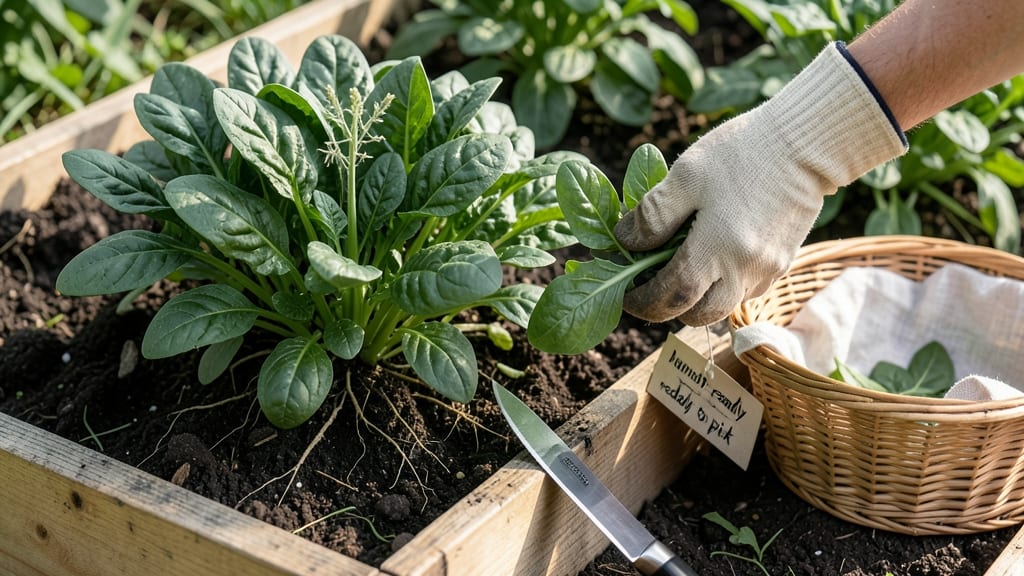
Picking spinach from your garden at the right moment means the difference between crisp, sweet leaves and tough, bitter ones—so timing your harvest is everything for the best flavor.
Imagine biting into a perfectly tender leaf, only to find it’s already gone woody by the next day. That’s why knowing when to harvest your 🥬 spinach is more than just a gardening tip—it’s the secret to a continuous, delicious crop.
Most gardeners wait until leaves reach 3–6 inches and are deep green, but the real trick is checking for tenderness and avoiding the heat that triggers bolting. Below, I’ll break down the exact signs to watch for, plus how to harvest without sacrificing regrowth.
You’ll learn how to pick spinach for peak freshness, avoid common mistakes, and extend your harvest season—whether you’re in Zone 6a or beyond.

Optimal spinach harvesting stages: leaf size, color, and growth signals
Knowing when to pick spinach from your garden ensures you enjoy tender, flavorful leaves packed with nutrients. Spinach typically reaches harvest readiness 6-8 weeks after planting, but timing varies based on leaf size, color, and variety.
The key is to harvest leaves when they're 3-6 inches long and deep green—this guarantees peak freshness and tenderness.
Spinach leaves that are too small (under 3 inches) lack full flavor, while leaves that grow past 6 inches often become tough and bitter. Pay close attention to the leaf texture—harvest when leaves feel crisp rather than fibrous.
Ignoring these cues can lead to bolting (flowering), especially in heat-sensitive varieties like 'Bloomsdale Long Standing.'
Visual cues play a crucial role in determining harvest readiness. Look for dark green leaves with a glossy sheen, indicating optimal maturity. Avoid harvesting leaves that show signs of yellowing edges or pale centers, as these signal stress or nutrient deficiencies.
The stem thickness also matters—thicker stems suggest the leaf is past its prime.
For bolt-resistant varieties like 'Tyee' or 'Space,' you can extend the harvest window by a few weeks, especially in cooler climates. These varieties tolerate slightly warmer temperatures better, allowing for a longer harvest season.
However, even bolt-resistant spinach will eventually bolt if exposed to consistent temperatures above 75°F for extended periods.
Heat-sensitive varieties, such as 'Giant Winter' or 'Winter Bloomsdale,' require careful monitoring. These types bolt quickly in warm weather, so prioritize harvesting when temperatures stay below 70°F.
If your spinach starts developing flower stalks, it’s a clear sign to harvest immediately—these leaves will become tough and inedible within days.
Morning is the best time to harvest spinach because leaves are fully hydrated and crisp. Avoid harvesting after a heavy rain or in the evening, as excess moisture can lead to fungal diseases like downy mildew.
Use clean, sharp pruning shears or your fingers to snip or pluck leaves just above the base, leaving at least 1-2 inches of growth to encourage regrowth.
If you're growing spinach in containers or raised beds, check leaves every 3-4 days for readiness. Container-grown spinach may mature slightly faster due to limited root space, so stay vigilant.
For garden beds, a weekly inspection ensures you don’t miss the optimal harvest window. Remember, the goal is to balance harvest frequency with plant health—over-harvesting weakens the plant.
Pro tip: Taste-test a leaf before committing to a full harvest. If it’s slightly bitter or tough, wait a day or two for younger leaves to emerge.
This simple check saves you from harvesting subpar spinach. With practice, you’ll develop an eye for the perfect spinach leaf—dark green, tender, and bursting with flavor.
🥬🌱✂️
Leaf-by-leaf harvesting techniques for continuous spinach production
Spinach thrives when you harvest it the right way—using a leaf-by-leaf method ensures tender leaves while encouraging your plants to regrow for weeks. The key is to pick outer leaves first, leaving the inner leaves to mature.
This approach works especially well for spring and fall plantings, where cooler temperatures slow bolting and extend your harvest window.
For spring plantings, start harvesting about 6–8 weeks after sowing when leaves reach 3–6 inches in length. In fall, you can often harvest later into the season, as cooler nights preserve tenderness.
The goal is to avoid letting leaves grow too large or bitter, which happens when plants sense heat or drought stress.
⚠️ callout-tip ⚠️
- Leaf Size: Harvest when leaves are 3–6 inches long.
- Color: Choose deep green leaves, avoiding yellowing or pale ones.
- Texture: Leaves should be tender, not fibrous.
- Time of Day: Pick in the morning for crispness.
🌱 Pro Tip: Avoid harvesting in hot afternoons—stress can make leaves bitter.
To harvest, use clean, sharp scissors or your fingers to gently twist off leaves at their base. Avoid cutting into the main stem, as this can damage the plant’s ability to regrow.
For continuous production, focus on the largest outer leaves first, leaving the inner rosette intact. This method mimics natural regrowth patterns and keeps your spinach productive for 4–6 weeks or longer.
Seasonal adjustments matter: in spring, harvest more frequently as growth accelerates, while in fall, you can space out harvests slightly due to slower growth. Always check for bolting signs—long stems or flower buds—indicating it’s time to harvest the entire plant before seeds form.
Bolt-resistant varieties like 'Bloomsdale Long Standing' or 'Tyee' give you more flexibility for extended harvests.
After harvesting, rinse leaves in cool water to remove dirt and store them in a perforated plastic bag in the fridge for up to 5–7 days. For long-term storage, blanch and freeze leaves to preserve nutrients.
Post-harvest care also includes watering deeply after each pick to encourage regrowth and applying a light nitrogen fertilizer every 3–4 weeks to support leaf production.
One common mistake is harvesting too aggressively, which can exhaust the plant. Limit yourself to 1/3 of the plant at a time, and always leave at least 3–4 inner leaves to ensure regrowth.
With this method, you’ll enjoy a steady supply of fresh spinach all season long, whether you’re growing in containers or garden beds. 🥬