
Planting
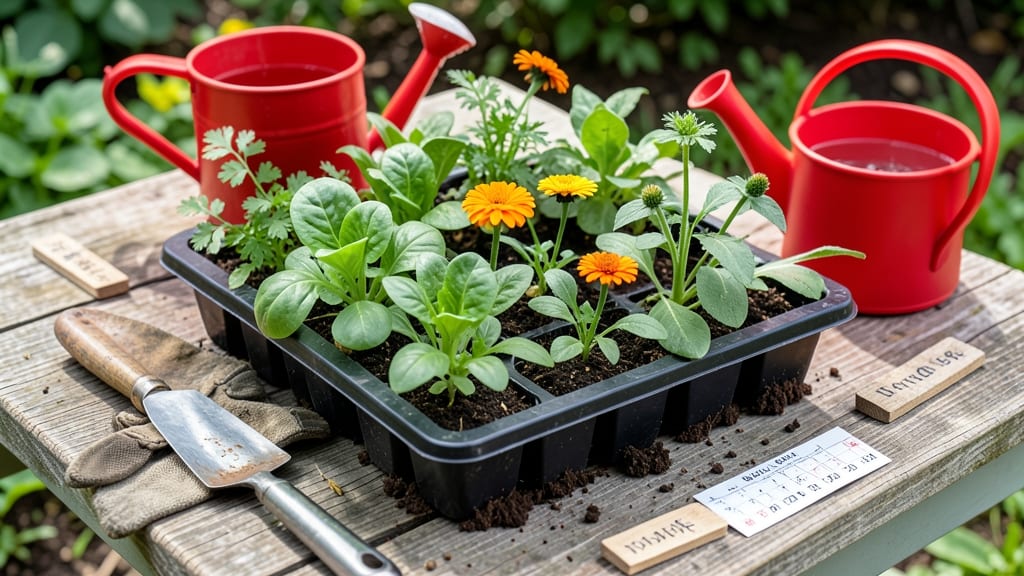
To plant a garden in Pennsylvania at the right time means timing your seeds and seedlings with the state’s 5b–7a zones—because a late frost in the Poconos can wipe out your tomatoes while the same crop thrives in Pittsburgh by Memorial Day.
Pennsylvania’s diverse climate—from frosty mountain valleys to humid river plains—means planting your garden at the wrong time can spell disaster for your harvest. Get the timing perfect, and you’ll enjoy tomatoes sweeter than store-bought and zucchini so prolific you’ll need to gift them away.
Cool-season crops like spinach and peas can go in as early as March in Zone 7a, while warm-season favorites like tomatoes and peppers need to wait until after the last frost—usually mid-May in most regions.
But here’s the catch: even within the state, frost dates vary by two to three weeks, so blindly following a one-size-fits-all calendar will leave you guessing.
In this guide, I’ll break down the exact planting windows for every major crop, how to adjust for late frosts or early heat, and the best strategies to stretch your growing season—so you can avoid the heartbreak of watching your hard work turn to mush overnight.
Pennsylvania planting zones: when to start seeds indoors vs. direct-sow outdoors
Pennsylvania spans USDA Zones 5b through 7a, creating a patchwork of microclimates where last frost dates can vary by weeks.
In the cooler mountain regions (Zone 5b), gardeners often wait until May 15 to plant warm-season crops, while southern areas (Zone 7a) may see safe planting as early as April 1.
This variation means timing is everything—start seeds too early, and they’ll bolt; too late, and your harvest suffers.
Understanding your specific zone and its last frost date is critical. For example, Philadelphia (Zone 7a) has an average last frost of April 15, while Erie (Zone 6a) typically waits until May 1.
Even within the same zone, elevation and urban heat islands can shift these dates by 7–10 days. Use local weather data or plant a zinnia test plant to confirm your frost-free window each year.
The key to a thriving garden lies in balancing indoor seed starting and direct sowing.
Most warm-season vegetables (tomatoes, peppers, eggplants) need a 6–8 week head start indoors before the last frost, while cool-season crops (spinach, peas, lettuce) can often be sown directly into the garden as soon as the soil is workable.
Herbs like basil and cilantro also benefit from early starts, but some, like dill and parsley, thrive when direct-sown.
| USDA Zone | Avg. Last Frost | Start Indoors (Warm-Season) | Direct-Sow (Cool-Season) | Direct-Sow (Warm-Season) |
|---|---|---|---|---|
| 5b (Poconos, NE PA) | May 15 | March 1–15 | April 1 (peas, spinach) | May 20–June 1 |
| 6a (State College, Harrisburg) | May 1 | February 20–March 10 | March 15 (lettuce, kale) | May 10–15 |
| 6b (Pittsburgh, Reading) | April 25 | February 15–March 5 | March 1 (radishes, carrots) | April 25–May 5 |
| 7a (Philadelphia, Wilkes-Barre) | April 15 | February 1–15 | February 20 (onions, broccoli) | April 10–20 |
*Dates are averages; adjust based on local microclimates and 3-year trends.
Pennsylvania’s cool-season crops and warm-season staples thrive on precise timing, but the state’s USDA Zones 5b–7a create regional variations. In Zone 5b (Poconos, Allegheny Plateau), you can plant spinach and peas as early as late March, while Zone 7a (Pittsburgh, Philadelphia) allows tomatoes and peppers to go in by mid-April. Perennials like asparagus and strawberries have their own ideal windows—plant them too late, and you’ll wait years for harvests. For cool-season vegetables, the key is beating the first frost while avoiding summer heat. Leafy greens like kale and lettuce can handle light frosts, but root crops like carrots and beets need consistent soil temps above 40°F. Meanwhile, warm-season crops like tomatoes and peppers demand soil temps above 60°F—waiting until after the last frost (usually mid-May) ensures strong starts. Perennials, on the other hand, benefit from early planting to establish roots before summer’s intensity. If you’re in Zone 6a or 7a, you can squeeze in a fall planting for cool-season crops like broccoli and Brussels sprouts. Aim to plant by mid-August so they mature before the first frost (typically mid-October). For warm-season crops, succession planting every 2 weeks after the initial sowing keeps your harvests rolling through summer. Pro tip: Use row covers to extend the season for cool-season crops in Zone 5b or protect tender tomato seedlings from late frosts. In Zone 7a, shade cloth can save lettuce and spinach from bolting in June’s heat. Perennials like asparagus benefit from mulching in winter to insulate roots—just don’t overdo it, or you’ll smother them in spring. Remember, Pennsylvania’s microclimates mean your neighbor’s perfect timing might not work for you. Check your local frost dates (use the Old Farmer’s Almanac or Penn State Extension), and when in doubt, start seeds indoors for warm-season crops. With the right timing, you’ll turn your garden into a year-round harvest machine—not a frost-killed disappointment.Best months to plant specific vegetables in Pennsylvania (by type)
🌱 Cool-Season Crops: Planting Windows
☀️ Warm-Season Crops: Planting Windows
🌿 Perennials: Planting Windows