
Planting
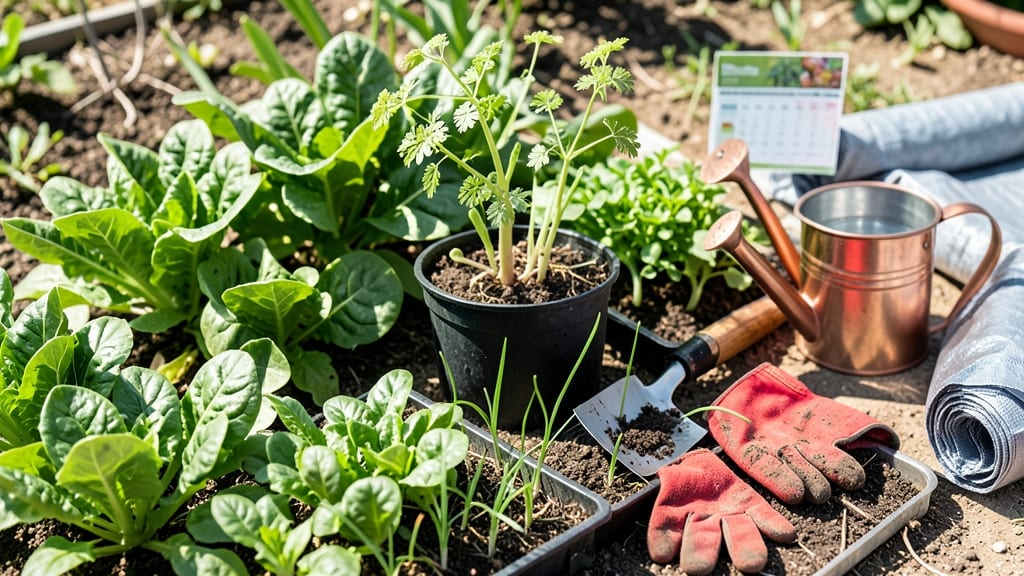
Planting a garden in Utah at the right time means the difference between a thriving harvest and a sad, wilted disappointment 🌱 — and the window is narrower than you’d think.
Utah’s microclimates—from high deserts to mountain valleys—mean your garden’s success hinges on planting at the perfect time. Get the wrong timing, and your tomatoes might bolt before fruiting, or your potatoes could rot in the cold.
But master these seasonal cues, and you’ll harvest bounty year after year, even in Utah’s unpredictable growing zones.
Most Utah gardeners (zones 6–7) should start cool-season crops like peas and spinach in March, while warm-season favorites like tomatoes and peppers wait until mid-May after the last frost. But if you’re in St. George or Moab, your schedule shifts by weeks—so let’s break it down by region.
Inside, you’ll find the exact planting calendar for Utah’s three key phases: cool-season prep, warm-season powerhouses, and fall extensions. Plus, the five mistakes that wreck gardens here—and how to avoid them.
Utah’s planting zones & microclimates: when to start seeds vs. transplant crops
Utah’s USDA Plant Hardiness Zones range from 4 to 8, creating a patchwork of growing conditions that can confuse even experienced gardeners.
The Salt Lake Valley (Zone 6b) enjoys longer growing seasons, while St. George (Zone 8a) basks in near-tropical warmth, and Cache Valley (Zone 5b) faces unpredictable late frosts. These microclimates mean your neighbor’s heirloom tomatoes might thrive while yours struggle—or vice versa.
Understanding these zones helps you decide when to start seeds indoors versus transplanting seedlings for maximum yield.
For example, in Zone 7 (Salt Lake City), you can direct-sow warm-season crops like zucchini and cucumbers by mid-May, but in Zone 4 (Park City), wait until late June to avoid frost damage.
Meanwhile, cool-season crops like kale and peas can handle Utah’s early spring as soon as soil is workable (40°F+), often by late March in low deserts and May in high valleys. The key is aligning your planting with last frost dates and soil temperatures.
Here’s a quick reference for Utah’s three dominant microclimates, including last frost dates, ideal planting windows, and crop-specific advice for high-yield varieties:
| Region | USDA Zone | Last Frost (Avg.) | Start Seeds Indoors | Transplant Outdoors | Direct Sow After |
|---|---|---|---|---|---|
| Salt Lake Valley | 6b-7a | April 15–May 1 | March 1–15 (peppers, tomatoes) | May 15–June 1 (after frost) | May 10–June 10 |
| St. George | 8a-9a | February 15–March 1 | January 15–February 15 | March 1–April 1 | February 20–March 20 |
| Cache Valley | 5b-6a | May 1–May 15 | April 1–15 (peppers, eggplants) | June 1–15 (after frost) | May 20–June 10 |
In Zone 6–7 (Salt Lake Valley), I always start tomatoes and peppers indoors in mid-March to give them a head start. By late May, these seedlings are ready to transplant outdoors after the last frost.
For cold-hardy crops like kale and spinach, I direct-sow seeds as early as late March, even if nights dip below freezing. These cool-season crops thrive in Utah’s spring and fall, while heat-loving plants like basil and cucumbers need to wait until soil warms to 60°F+.
St. George’s Zone 8 climate lets you plant year-round, but even here, winter crops like broccoli and carrots benefit from fall planting (August–September) to avoid summer’s 100°F+ heat.
In contrast, Cache Valley’s Zone 5 demands patience—wait until June 1 to plant tomatoes or risk late frosts that can kill young plants. I’ve learned to use black plastic mulch in these areas to warm soil faster and protect seedlings from temperature swings.
Heirloom tomatoes are a gardener’s pride in Utah, but they’re heat-sensitive. In Zone 7, I plant them by May 20 and prune suckers aggressively to focus energy on fruit production. For zucchini, which grows rapidly in Utah’s summer heat, I direct-sow seeds by mid-May and harvest within 50 days to avoid bolting. Meanwhile, peas and lettuce can handle Utah’s cool springs and even light frosts, making them ideal early-season crops.
One critical mistake I’ve made? Ignoring soil temperature
Monthly planting calendar: what to sow in Utah’s 3 key phases (cool, warm, extended seasons)
Utah’s gardening seasons are short but intense, and timing is everything. The cool-season phase (March–May) is your window for hardy greens like spinach and broccoli, while the warm-season powerhouse (May–July) brings in heat-lovers like peppers and melons.
Don’t overlook the extended-season tricks (August–October) for fall brassicas and overwintering onions—these can double your harvest!
Soil temperature is your best guide: 40–50°F for cool crops, 60°F+ for warm-season stars. Pair that with moon phases (transplant during a waxing moon for stronger roots), and you’ll outsmart Utah’s unpredictable weather. Let’s break it down by month so you never miss a planting window.
🌱 Utah Planting Calendar by Season
- 📅 March–May (Cool Season): Sow spinach, broccoli, carrots, and peas as soon as soil warms to 40°F. Use row covers for frost protection.
- 📅 May–July (Warm Season): Plant tomatoes, peppers, beans, and melons after last frost (soil 60°F+). Transplant seedlings during a waxing moon for best results.
- 📅 August–October (Extended Season): Direct-sow kale, garlic, and onions for fall/winter harvests. Mulch heavily to protect from early frosts.
- 🌡️ Soil Temp Tip: Use a soil thermometer—cool crops need 40–50°F, warm crops 60°F+. Adjust planting dates by 2–4 weeks for high-elevation areas (e.g., Park City).
- 🌙 Moon Phase Hack: Transplant during a waxing moon (above horizon) for stronger roots. Avoid planting during a full moon—it stresses seedlings.
For cool-season crops, start seeds indoors in February for early transplants. Harden off seedlings by mid-March, then plant outdoors once nighttime temps stay above 35°F. Spinach and lettuce bolt quickly in heat, so succession plant every 2 weeks until May.
When warm-season powerhouses like tomatoes and peppers hit the garden, prioritize soil warmth over calendar dates. Wait until soil reaches 60°F+—even if air temps are mild. Use black plastic mulch to warm soil faster in cooler microclimates like Cache Valley.
Don’t let the garden fade after summer! Extended-season tricks like planting garlic in October or kale in August can yield harvests into winter. Mulch with straw or leaves to insulate roots from frost. Even in Utah’s short growing season, you can stretch harvests with these strategies.
Pro tip: Keep a planting journal to track your microclimate’s frost dates and soil temps. Adjust next year’s schedule based on what thrived (or flopped!). With this calendar, you’ll turn Utah’s challenges into a high-yield harvest every season. 🌿