
Planting
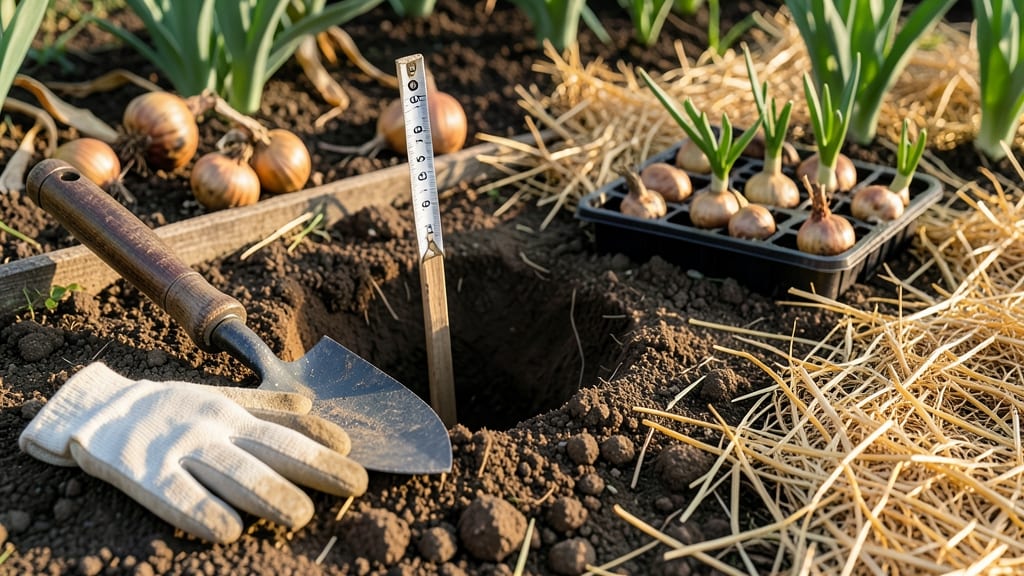
Planting bulbs in the garden at the right time ensures vibrant blooms and strong roots that return year after year.
Did you know the moon’s phases can dramatically boost your bulb garden’s success? Planting at the wrong time can leave your flowers weak or stunted—but timing it right ensures vibrant blooms year after year.
In Zone 6a, the best windows are fall (6-8 weeks before frost) or spring (4-6 weeks before last frost). This is when most bulbs like tulips and daffodils thrive, but summer-blooming varieties have their own rules.
Below, I’ll break down the exact months for your region, soil prep secrets, and how to avoid common mistakes that kill bulb growth before it starts.
Optimal planting times for garden bulbs by moon phases
Planting bulbs aligns with the moon’s phases to harness its gravitational pull for stronger root development and vibrant blooms. The waxing moon (growing phase) is ideal for planting—its energy directs nutrients toward the roots, while the full moon boosts flowering potential.
Timing matters, especially since bulbs need 6-8 weeks before winter dormancy or 4-6 weeks before spring’s last frost.
Most gardeners focus on fall planting for spring blooms, but moon phases refine this further. For example, planting tulips and daffodils during the waxing gibbous moon (just before full) ensures deeper roots before winter. Meanwhile, summer-blooming bulbs like dahlias thrive when planted under the waxing crescent moon in spring.
Your climate zone also dictates timing. In USDA zones 3-5, aim for October planting (6 weeks before frost), while zones 6-10 can plant as late as November-December. The key is to let bulbs establish roots before the ground freezes—moon phases guide when, not when to stop.
Here’s how to align planting with lunar cycles for maximum success:
| Moon Phase | Best For | Planting Window | Bulb Examples |
|---|---|---|---|
| Waxing Crescent | Root growth | Spring (March-April) | Dahlias, Gladiolus |
| First Quarter | Bulb division | Fall (September-October) | Tulips, Hyacinths |
| Waxing Gibbous | Deep rooting | Fall (October-November) | Daffodils, Alliums |
| Full Moon | Flowering boost | Spring (April-May) | Crocus, Snowdrops |
| Waning Gibbous | Harvesting bulbs | Summer (June-July) | Tulip bulbs |
For spring planting, prioritize the waxing moon phases (after the new moon) to encourage rapid root establishment before summer heat. This is critical for tender bulbs like cannas or caladiums, which need 6+ weeks of warm soil to thrive.
Plant them under the waxing crescent in April-May for optimal results.
In warmer climates (zones 8-10), fall planting shifts to November-December to avoid winter rains. The waning moon (after full) is ideal here—its energy helps bulbs store nutrients for spring blooms.
For example, rain lilies planted under a waning crescent moon in late fall often produce earlier and larger blooms.
Avoid planting during the waning crescent moon (just before new moon), as its energy pulls moisture upward, weakening roots. This phase is best for harvesting or dividing bulbs, not planting. I’ve seen tulip bulbs planted during this time produce stunted shoots the following spring—a costly lesson!
Pro tip: Use a lunar planting calendar to track phases. Mark your planting dates 3-5 days before the ideal phase to account for soil prep time. For instance, if the waxing gibbous moon peaks on October 15th, aim to plant October 10th-12th for maximum root growth before frost.
Test your soil’s drainage and pH (aim for 6.0-7.0) before planting—moon phases won’t compensate for poor soil. Amend with compost or sand if needed, then plant bulbs 2-3 times deeper than their height. This ensures they anchor firmly, regardless of lunar timing.
Remember, the moon’s influence is a
Best bulbs to plant by season and climate Zone
Choosing the right bulbs for your climate zone and planting them at the correct time is the secret to a show-stopping spring garden. In USDA zones 3-10, timing varies dramatically—from late fall in cold climates to winter in warmer regions.
Let’s break down the best bulbs for each zone and when to plant them for maximum impact.
For Zone 3-5, where winters are harsh, focus on hardy bulbs like daffodils and crocuses planted in October or November. These bulbs thrive in cold soil and often bloom before snow melts.
Meanwhile, gardeners in Zones 6-8 can plant tulips and hyacinths from September to early November, while Zone 9-10 gardeners enjoy a longer window, often planting in December or even January.
- 1 Tulips (Zones 3-8): Plant in October-November for spring blooms. Choose Darwin hybrids for long stems or species tulips for naturalized gardens.
- 2 Daffodils (Zones 3-10): Plant in fall (October-December). They’re deer-resistant and thrive in USDA Zone 10 with winter watering.
- 3 Hyacinths (Zones 3-8): Plant in fall (September-October). Their fragrant blooms love full sun and well-draining soil.
- 4 Alliums (Zones 3-9): Plant in fall or early spring. Their globular blooms add height and drama to borders.
- 5 Summer-Blooming Bulbs (Zones 5-10): Plant crinum lilies or rain lilies in spring (March-April) for summer color.
Adjust planting times based on your local frost dates. For example, in Zone 7, aim to plant by mid-November, while in Zone 10, you can plant daffodils in December without fear of frost.
Always plant bulbs 6-8 weeks before the ground freezes to allow roots to establish.
Pro tip: Use a moon phase calendar to plant bulbs during the waxing moon for stronger roots. This ancient trick works because the moon’s gravity helps draw moisture into the soil, giving your bulbs a head start.
For container gardening, choose compact bulbs like miniature daffodils or grape hyacinths. Plant them in well-draining pots with a layer of gravel at the bottom to prevent rot. Water lightly until the first frost, then reduce in winter.
Don’t forget to mulch after planting to insulate bulbs from extreme cold in Zones 3-5. Use straw or shredded leaves—just avoid piling mulch directly against the bulbs to prevent rot. With the right timing and care, your bulbs will reward you with years of reliable blooms!