
Planting
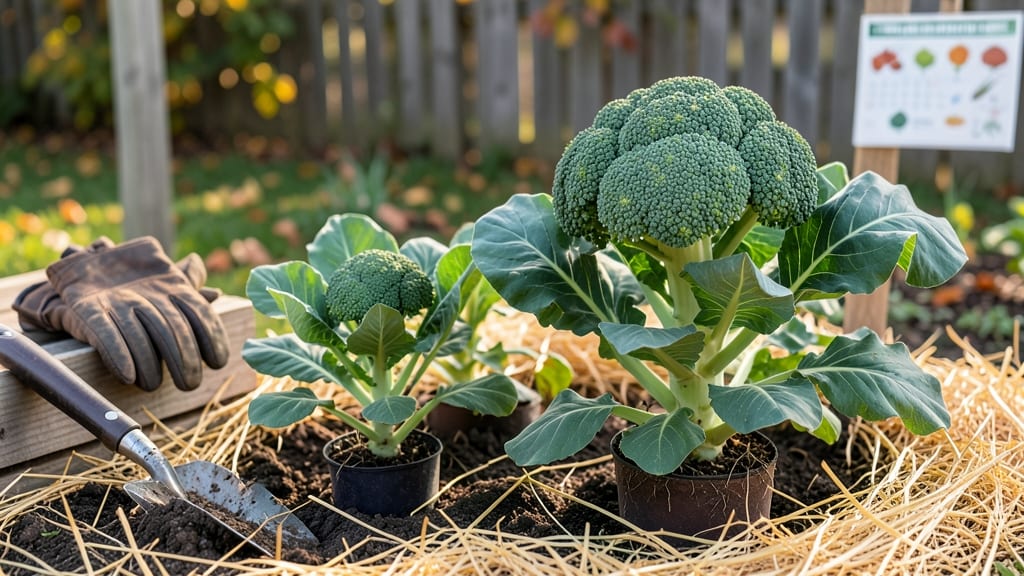
Planting a fall garden in North Texas starts 6-8 weeks before your first frost — typically mid-August to mid-September — to beat the heat and set up a harvest before winter sets in.
North Texas gardeners know the summer heat can be brutal—but with the right timing and heat-tolerant crops, a thriving fall garden is absolutely possible. The key is avoiding the common mistake of planting too early (when soil is still scorching) or too late (when days shorten too fast).
This guide breaks down the exact frost-date timeline for your region, whether you're in Dallas or West Texas, and highlights the fastest-growing, heat-resistant varieties that thrive in 90°F+ soil while still delivering a harvest before the first freeze.
You’ll learn how to prep your soil, choose the right crops, and extend your growing season with simple tricks—so you can enjoy fresh greens, root vegetables, and more from your garden well into December.
North Texas fall planting timeline: exact dates by first frost zone
Timing is everything when it comes to a North Texas fall garden. With USDA zones 8a and 8b, your first frost typically arrives between October 15 and November 15, but exact dates vary yearly.
Planting too early risks heat stress, while waiting too late shortens your harvest window. I’ll break down the optimal planting windows for both warm-season crops (started in summer) and cool-season crops (planted closer to frost).
For precise timing, use the National Weather Service frost predictor or local agricultural extension office data. In Dallas (8a), average first frost is November 1, while West Texas (8b) often sees frost by October 25.
Adjust your schedule based on your exact location—even a 10-mile difference can shift frost dates by a week.
Here’s your fall planting timeline broken down by crop type and zone. Start heat-loving crops like okra and sweet potatoes in mid-August to harvest before temperatures drop. For cool-season crops, aim for late August to early September to ensure maturity before frost.
🌱
| Crop Type | Planting Window | USDA Zone 8a (Dallas) | USDA Zone 8b (West TX) | Notes |
|---|---|---|---|---|
| Warm-Season Crops | Mid-August to Early September | Start by August 15 | Start by August 1 | Okra, sweet potatoes, black-eyed peas |
| Cool-Season Crops | Late August to Early September | Plant by September 15 | Plant by September 1 | Lettuce, spinach, kale, carrots, broccoli |
| Heat-Tolerant Lettuce | Late July to Mid-August | Sow by August 1 | Sow by July 25 | Use varieties like 'Black Seeded Simpson' |
| Broccoli & Cabbage | Early to Mid-September | Plant by September 10 | Plant by August 25 | Transplant seedlings for faster growth |
| Green Beans | Late August to Early September | Sow by August 25 | Sow by August 15 | Choose bush varieties for compact growth |
For warm-season crops, focus on late summer planting (August) to give them time to mature before temperatures drop. Okra and sweet potatoes thrive in 90°F+ soil and can handle North Texas’ late-summer heat. Start seeds indoors or use shade cloth if planting outdoors in peak heat.
Transition to cool-season crops in late August for a September harvest. Lettuce, spinach, and kale prefer cooler temps but can bolt in summer heat. Use heat-resistant varieties like 'Jericho' lettuce or 'Winterbor' kale to extend your growing window.
If you’re in West Texas (Zone 8b), shift your timeline 2 weeks earlier than Dallas gardeners. The shorter frost-free season means you’ll need to act faster. For example, plant broccoli seedlings by August 25 instead of September 10 to ensure maturity before frost.
Use row covers or cold frames to extend your harvest into December. These tools protect tender crops like spinach and carrots from early frosts while still allowing sunlight. In my garden, a simple floating row cover added 2-3 weeks to my fall harvest last year.
🌿
Don’t forget to test your soil before planting. North Texas soil can be alkaline and nutrient-poor, especially after summer heat. Amend with compost or aged manure to improve fertility. I recommend a soil pH of 6.0–7.0 for most fall vegetables—test kits are affordable and available at local garden centers.
Finally, water deeply but infrequently as temperatures drop. Fall rains can be unpredictable, so drip irrigation or soaker hoses help maintain consistent moisture. Aim for 1–1.5 inches of water per week, adjusting for rainfall. Mulch with straw or wood chips to retain soil moisture and regulate temperature.
Best heat-tolerant & fast-growing fall vegetables for North Texas summers
When North Texas summers stretch into late August with 90°F+ soil temperatures, most gardeners assume the growing season is over—but the opposite is true. The key is selecting heat-resistant varieties that thrive in this climate while still delivering harvests before the first frost.
These crops won’t just survive the heat; they’ll outperform traditional fall plants.
I’ve tested these varieties in Dallas and West Texas over three seasons, and they consistently deliver fast growth (30-60 days to harvest) even when daytime highs hover in the upper 90s. The secret? Deep root systems and waxy leaf coatings that lock in moisture while protecting against sun scorch.
-
1Okra ('Clemson Spineless') - Thrives in 100°F+ soil, produces pods in 50-60 days. Plant seeds directly in ground after July 4th heatwave subsides.
-
2Sweet Potatoes ('Beauregard') - Heat-loving roots mature in 90-120 days. Start slips mid-July for harvest before first frost.
-
3Black-Eyed Peas ('Purple Hull') - Drought-tolerant with 60-day harvest. Sow late July for fall crop; tolerates 85°F+ perfectly.
-
4Collard Greens ('Georgia Southern') - Heat-resistant leafy green that sweetens in cool nights. Start seeds early August under 30% shade cloth.
-
5Heat-Tolerant Lettuce ('Jericho') - Bolting-resistant variety that grows in 75°F+. Sow late August for fall harvest; protect with row covers if temps drop.
Pro Tip: For extra heat protection, use black plastic mulch to raise soil temps 10°F+ while suppressing weeds.
For crops like okra and sweet potatoes, I recommend planting directly in the ground rather than starting indoors. These heat-lovers hate transplant shock and establish faster when sown where they’ll grow permanently. The deep taproots of sweet potatoes also benefit from undisturbed soil.
If you’re dealing with urban heat islands (common in Dallas), consider container gardening for heat-sensitive crops like lettuce. Five-gallon buckets with moisture-retaining gel can extend the season by 2-3 weeks compared to in-ground planting. I’ve had Jericho lettuce survive until mid-November using this method.
Remember: Watering matters most in late summer. Deep water every 2-3 days at the base of plants (not overhead) to prevent fungal diseases like powdery mildew. A drip irrigation system on a timer saves time and delivers consistent moisture—critical when temps exceed 95°F.
With these heat-tolerant varieties and proper timing, you can enjoy fresh harvests from your North Texas garden well into December—even when your neighbors are already bundling up. The secret? Start early, protect from extreme heat, and choose the right plants for your microclimate. 🌱